
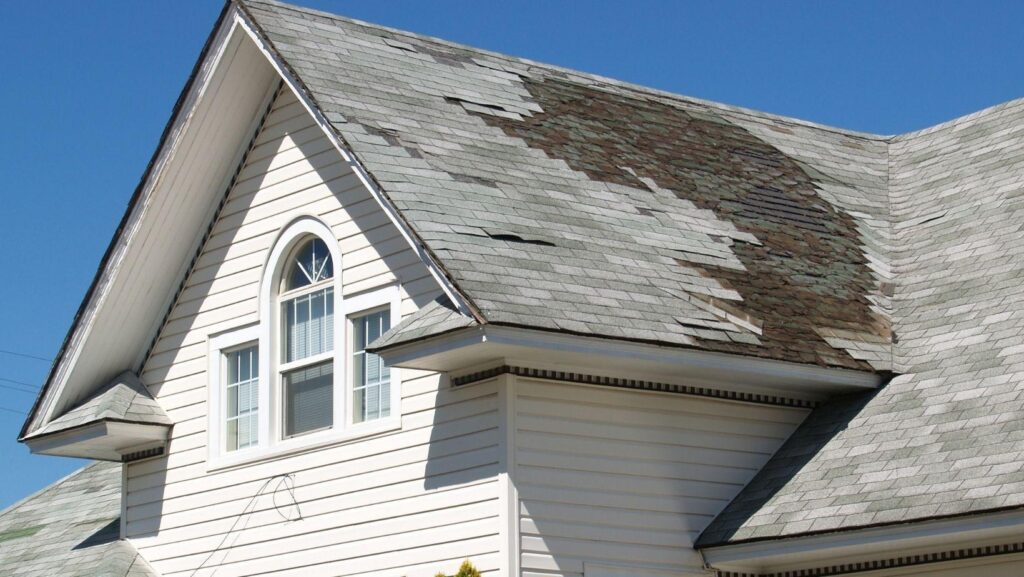
Your roof quietly protects your home every day, shielding it from heat, rain, wind, and debris. Because it is out of sight, many homeowners do not notice small problems until they grow into serious and costly repairs. The truth is that most major roofing issues begin with subtle warning signs.
Learning how to spot early roof damage can save you thousands in repairs and help extend the life of your roof. With a few simple checks and a bit of awareness, you can catch problems before they escalate into structural damage.
Why Early Detection Matters
Roof damage rarely happens overnight. Small leaks, loose shingles, or clogged gutters can develop gradually. When ignored, these minor issues allow moisture to seep in, weakening materials and creating larger problems such as mold growth, insulation damage, and even structural instability.
Addressing issues early offers several benefits:
- Lower repair costs
- Longer roof lifespan
- Improved energy efficiency
- Better protection during storms
Being proactive is always more affordable than reacting to major damage.
1. Look for Subtle Water Stains Indoors
One of the earliest signs of roof trouble often appears inside your home. Water stains on ceilings or walls may seem minor, but they usually indicate a leak somewhere in the roofing system.
Pay attention to:
- Light yellow or brown discoloration
- Small spots that gradually expand
- Peeling paint or bubbling drywall
- A faint musty smell in certain rooms
Even a tiny stain can signal that water is getting through. It is important not to ignore these signs, as moisture can spread and damage surrounding materials over time.
2. Check for Cracked or Curling Shingles
Shingles act as the first layer of defense against the elements. When they begin to crack, curl, or warp, they lose their ability to protect your home effectively.
Common signs include:
- Edges that are lifting or curling upward
- Visible cracks across shingles
- Shingles that appear brittle or worn
These issues often develop due to age, heat exposure, or weather damage. If left unaddressed, they can allow water to penetrate beneath the surface.
3. Inspect for Missing or Loose Shingles
After strong winds or storms, it is important to check your roof for missing or displaced shingles. Even a single missing shingle can create an entry point for water.
Look for:
- Bare patches on the roof
- Shingles found in your yard
- Sections that appear uneven
Loose shingles may not fall off immediately, but they can shift over time and expose your roof to further damage.
4. Watch for Granules in Gutters
If you have asphalt shingles, you may notice small, sand-like particles collecting in your gutters. These granules help protect shingles from sunlight and weather damage.
When granules start to wear off, it usually means your shingles are deteriorating.
Signs to look for:
- Grit or sand buildup in gutters or downspouts
- Shingles that appear smooth or patchy
- Faster wear after heavy rain
While some granule loss is normal over time, excessive buildup is a warning sign that your roof may need attention.
5. Check for Clogged or Overflowing Gutters
Gutters play a crucial role in directing water away from your roof and home. When they become clogged with leaves, debris, or granules, water can back up and seep under your roofing materials.
This can lead to:
- Water pooling along roof edges
- Damage to fascia boards
- Increased risk of leaks
Regularly cleaning your gutters and ensuring proper drainage can prevent unnecessary stress on your roof.
6. Look for Sagging or Uneven Areas
A sagging roof is a more serious issue, but it often starts subtly. You might notice slight dips or uneven sections before the problem becomes severe.
Early signs include:
- Small depressions in the roofline
- Areas that appear slightly lower than others
- Uneven surfaces when viewed from a distance
Sagging can indicate trapped moisture, weakened support structures, or long-term damage. It is best to address it as soon as possible.
7. Pay Attention to Rising Energy Bills
Your roof plays a key role in regulating your home’s temperature. If there are gaps, leaks, or insulation issues, your heating and cooling systems may have to work harder.
You might notice:
- Higher electricity bills without increased usage
- Uneven temperatures in different rooms
- Difficulty maintaining a comfortable indoor climate
These changes could be linked to hidden roofing problems that are affecting insulation and ventilation.
8. Examine Flashing Around Roof Features
Flashing is used around chimneys, vents, and skylights to prevent water from entering vulnerable areas. Over time, flashing can crack, loosen, or corrode.
Check for:
- Rust or visible damage
- Gaps between flashing and roof surfaces
- Signs of water around these areas
Damaged flashing is a common source of leaks and should be repaired promptly.
When DIY Checks Are Not Enough
While regular visual inspections can help you spot early signs of damage, some issues are not visible from the ground or even during a basic inspection. Hidden leaks, structural weaknesses, and underlying moisture problems often require a trained eye.
In these cases, it is wise to consider professional help. Many homeowners rely on trusted Albuquerque roofing services like East Mountain Roofing for accurate assessments and long term repair solutions. Professionals can identify problems that might go unnoticed and recommend the best course of action..
Simple Preventive Maintenance Tips
Preventing roof damage does not have to be complicated. A few routine habits can go a long way in keeping your roof in good condition.
- Inspect your roof after major storms
- Clean gutters regularly
- Trim overhanging branches
- Check attic ventilation and insulation
- Schedule periodic professional inspections
These steps can help you catch issues early and maintain the overall health of your roof.
The Cost of Ignoring Early Signs
Ignoring minor roof problems can lead to serious consequences. What starts as a small leak can quickly escalate into:
- Mold and mildew growth
- Damaged insulation
- Rotting wood structures
- Interior water damage
- Expensive full roof replacements
The longer you wait, the more extensive and costly the repairs become. Early action is always the smarter and more affordable choice.
Final Thoughts
Your roof is one of the most important components of your home, yet it is often overlooked until something goes wrong. By learning how to spot early signs of damage, you can take control of your home maintenance and avoid unnecessary expenses.
From water stains and cracked shingles to clogged gutters and rising energy bills, these warning signs are your first line of defense. Acting quickly can prevent small issues from turning into major problems.
A little attention today can save you from costly repairs tomorrow. Regular checks, timely maintenance, and professional inspections when needed will help ensure your roof continues to protect your home for years to come.