
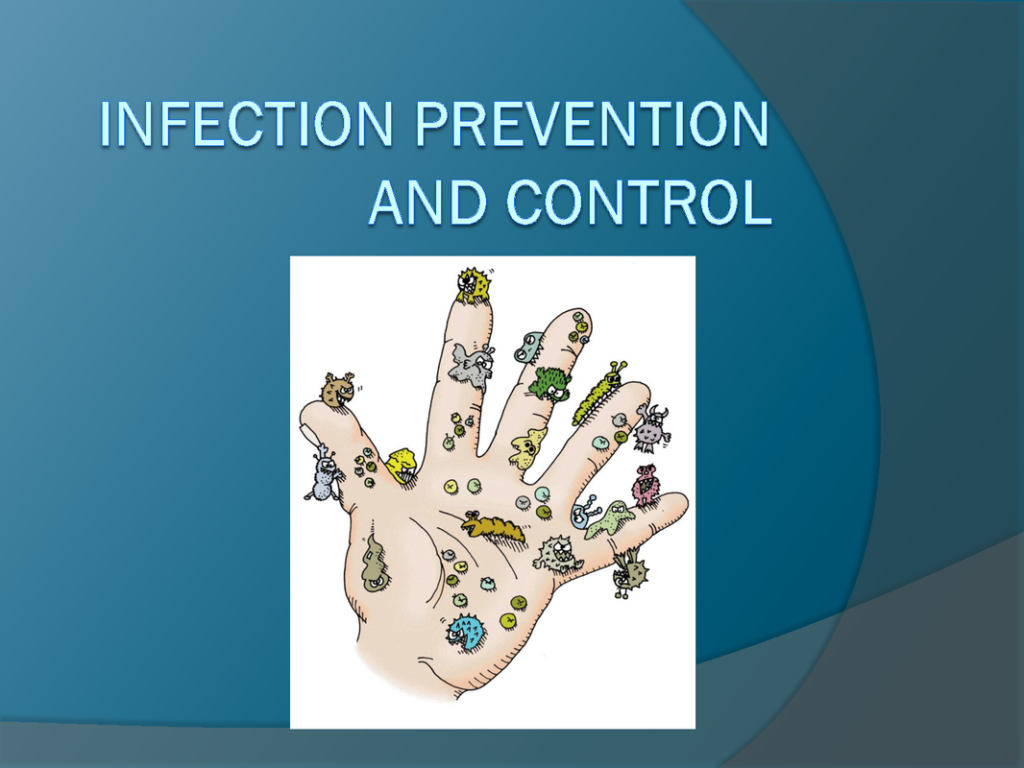
Most people visit local health centers hoping to stay well, especially when support feels hard to reach. Not every patient reads medical info the same way, so advice must adjust naturally. Trust grows slower if words feel confusing or distant. Instead of listing rules, staff do better by listening first, then guiding gently. Knowing why germs move helps someone act before getting sick. Small daily choices often matter most – like handwashing or covering coughs. Follow-up visits rise when talks make sense outside clinic walls too. Clear messages stick longer when spoken plainly and repeated kindly. Over time, fewer illnesses show up where conversations work harder than scripts. Health improves not because methods change fast but because understanding spreads wider.
Trusting Talk Between Doctors And Patients
Talking clearly builds better advice about avoiding infections. When people come in, their worries often tie back to what they believe at home, past doctor visits, or gaps in correct knowledge. Using everyday words works well – so does leaving room for doubts to be raised without pressure. The same message from every worker means less mix-up, more confidence in what’s being shared. Hearing identical directions each time cements reliance on the place – and boosts chances people will follow through. What sticks around longest? Care that feels steady, repeated right, day after day.
Start by noticing how shame can block honest talks, particularly around sex or illness. Respect opens doors where judgment shuts them down. Picture advice on condom use not as awkward but ordinary – like checking blood pressure. Safety in conversation often leads to honesty, even about risky choices. Comfort helps people think clearly about protecting themselves and others too.
Changing How Patients Learn About Health
Most people walk into clinics already carrying their own beliefs and questions. Picture this: a nurse hands someone a drawing that shows how germs spread through unwashed hands. Instead of just talking, she acts it out – pretending to cough, then touching a surface. Later, the patient repeats what they saw, using their own words. Some folks pick things up faster when ideas come back more than once. Each checkup becomes another chance to go over basics like shots or cleaning wounds. When reading is tough or languages get mixed up, these small steps make space for real learning.
Picture this helping clinics boost their talks with real world examples. Instead of just listing rules, showing people how washing hands after work keeps them healthy sticks better. Take cooking dinner – talking about cleaning surfaces before prepping food makes safety click. Even in conversations about sex, going over using condoms every time removes guesswork. Once guidance fits routines like brushing teeth or locking doors, it stops feeling foreign. Suddenly, what once sounded clinical starts fitting right into normal days.
Improving Consistency And Support In Clinical Settings
Same message every time matters when talking about avoiding infections. Nurses, doctors, or anyone teaching patients need to say similar things so confusion stays low. Using common tools and written guides keeps everyone on the same page. Training meetings now and then make sure fresh advice spreads through the team without gaps. One person’s words start shaping another’s actions behind the scenes. Updates stick better when repeated in different voices throughout the day.
How well counseling works often ties back to what’s available on site. Places handing out clear brochures, guides in different languages, or visual aids tend to strengthen what counselors say aloud. Supplies matter too – things like hygiene packs or lubricant for those getting sexual health talks turn suggestions into real steps. Getting details plus physical help lets people put prevention plans into practice more easily each day.
Improving Connections And Ongoing Involvement
Checking back later matters when helping people avoid infections, since it shows if they’re using the advice given. Because misunderstandings happen, routine contact opens space to clear up confusion or spot problems getting supplies. When talks repeat core ideas, habits slowly shift over time. Some clinics set appointments ahead of time or send prompts, which tends to result in better following through on safety steps.
Talking with people where they live adds reach to advice given at clinics. Because outreach teams work alongside neighborhood groups, key health ideas travel farther than exam rooms. A workshop here, a shared message there – these moments stick when repeated by familiar faces. Hearing the same thing from different voices makes it feel truer. Normalizing habits like handwashing or safe sex starts when daily life reflects what doctors say. False stories fade when truth shows up often enough in places people already trust. Clinic wisdom grows stronger when streets echo its lessons.
Most people do better when advice feels personal. A calm voice helps more than jargon ever could. Through small talks at local centers, knowledge sticks easier. Trust grows slowly through repeated honest moments. Simple steps beat complex plans each time. Some days it means repeating the same thing twice. Real progress shows up in routines, not reports. Care works best when it listens first. What matters gets remembered long after visits end.