

When it comes to mastering pull-ups, understanding the correct technique is crucial. Incorrect form not only hampers your progress but also places unnecessary strain on your elbows and shoulders. The key elements of proper pull-up form start with your grip. Ensure that your hands are shoulder-width apart and your thumbs are wrapped around the bar. This grip provides stability and helps distribute the weight evenly across your arms. As you pull yourself up, engage your core and maintain a straight line from your head to your heels. Avoid swinging or jerking movements, which can lead to elbow strain.
The Role of Assisted Pull-Up Straps in Training
Assisted pull-up straps are a valuable tool in your training arsenal, especially if you’re new to pull-ups or looking to increase your rep count. These straps provide support by reducing the amount of body weight you need to lift, allowing you to focus on form and muscle engagement without overwhelming your elbows.
Using assisted pull-up straps can be particularly beneficial for those recovering from an elbow injury or experiencing discomfort during traditional pull-ups. By distributing the load more evenly across the upper body, the straps reduce stress on the elbows and surrounding joints. For this type of supported progression, Tribe Lifting assisted pull up straps offer controlled assistance that helps maintain proper movement patterns while training remains pain-aware and consistent.
Incorporating assisted pull-up straps into your routine also allows you to progressively build strength. By adjusting the level of assistance, you can gradually increase the challenge as your muscles become stronger. This adaptability makes assisted pull-up straps an excellent choice for long-term training, ensuring you continue to progress without compromising your elbow health.
Step-by-Step Guide to Using Assisted Pull-Up Straps
- Select the Right Straps: Choose straps that offer adjustable resistance levels. This flexibility allows you to increase or decrease assistance based on your strength and progress.
- Setup and Attachment: Secure the straps to a sturdy pull-up bar. Ensure they are evenly spaced and at a height that allows you to comfortably reach them without overstretching.
- Positioning and Grip: Stand on a stable surface or slightly jump to grab the pull-up bar. Place your feet or knees into the straps, ensuring they provide adequate support without slipping.
- Engage and Pull: Begin the pull-up by engaging your core and maintaining a neutral spine. Use your arms and back muscles to lift your body, ensuring a smooth and controlled motion.
- Control the Descent: Lower yourself slowly, focusing on maintaining control throughout the movement. This eccentric phase is crucial for building strength and protecting your elbows.
- Adjust as Necessary: As you become stronger, decrease the assistance level to continue challenging your muscles. Consistently monitor your form to prevent elbow strain.
This gradual reduction in assistance reflects a progressive loading approach, which has been shown to improve muscle strength and functional performance when using elastic resistance training. Consistently monitor your form to prevent elbow strain.
Alternative Exercises to Build Strength for Pull-Ups
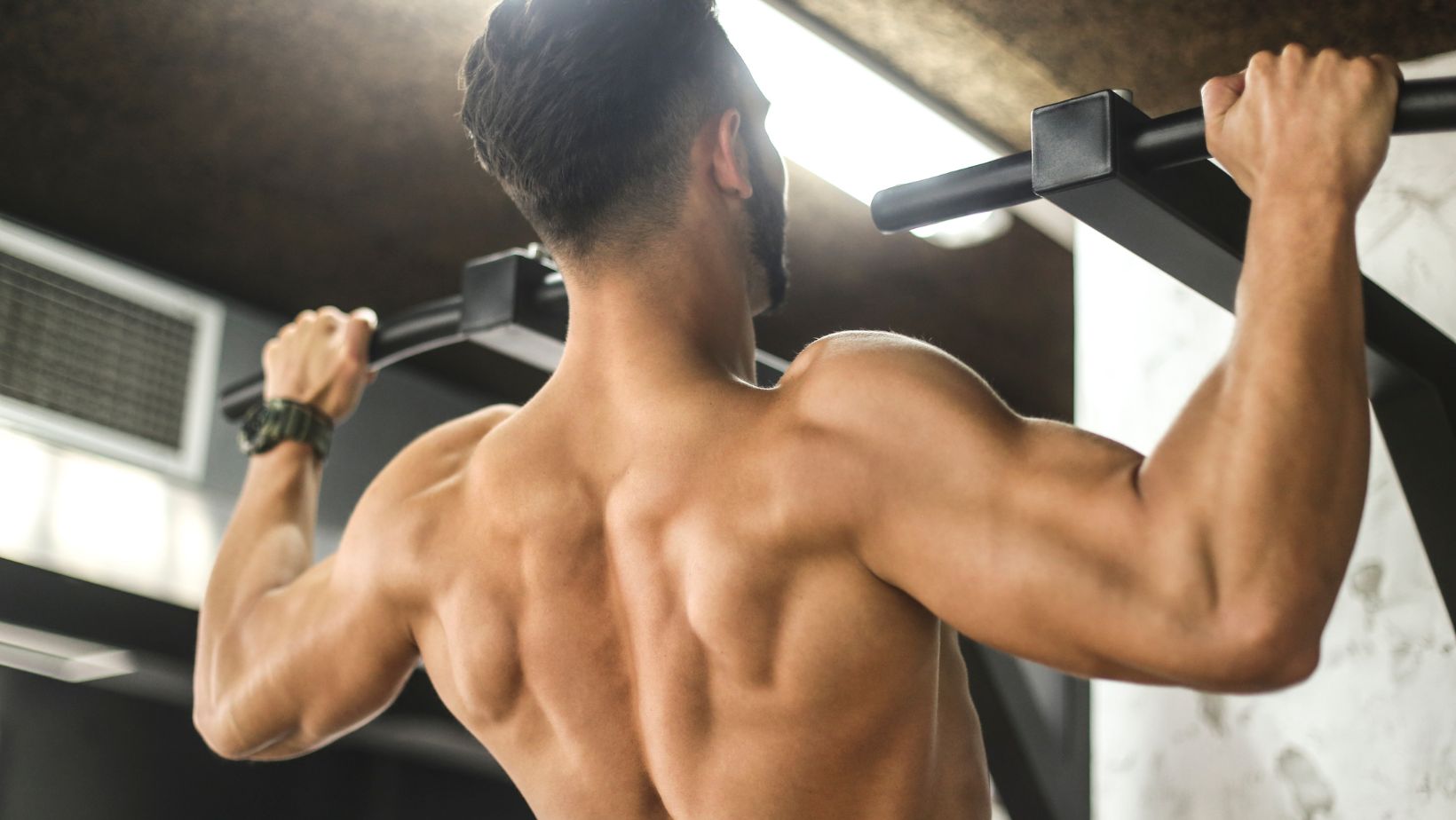
While assisted pull-up straps are beneficial, incorporating a variety of exercises can further enhance your pull-up performance. Strengthening complementary muscles helps distribute the load more evenly, reducing the risk of elbow injuries.
1. Lat Pull-Downs
- Purpose: Targets the latissimus dorsi, which are pivotal for pull-ups.
- Technique: Sit at a lat pull-down machine, grip the bar wider than shoulder-width, and pull it to your chest, focusing on squeezing your shoulder blades together.
2. Negative Pull-Ups
- Purpose: Builds strength through the eccentric phase of the pull-up.
- Technique: Jump or use a step to get your chin above the bar, then slowly lower yourself, taking at least 3-5 seconds to descend.
3. Inverted Rows
- Purpose: Strengthens the upper back and arms.
- Technique: Position yourself under a bar, grip it with an overhand grip, and pull your chest towards the bar while keeping your body straight.
By incorporating these exercises into your training regimen, you enhance your overall strength, making pull-ups more accessible and reducing the likelihood of elbow discomfort.
Achieving Your Pull-Up Goals Safely
Mastering pull-ups without compromising your elbow health requires a balanced approach. By focusing on proper technique, utilizing tools like assisted pull-up straps, and incorporating complementary exercises, you can build the necessary strength without unnecessary strain. Remember, the journey to achieving your pull-up goals is a marathon, not a sprint. Consistent practice, attention to form, and prioritizing recovery are essential components of a successful training regimen. With patience and dedication, you can reach new heights in your fitness journey while safeguarding your elbow health.