
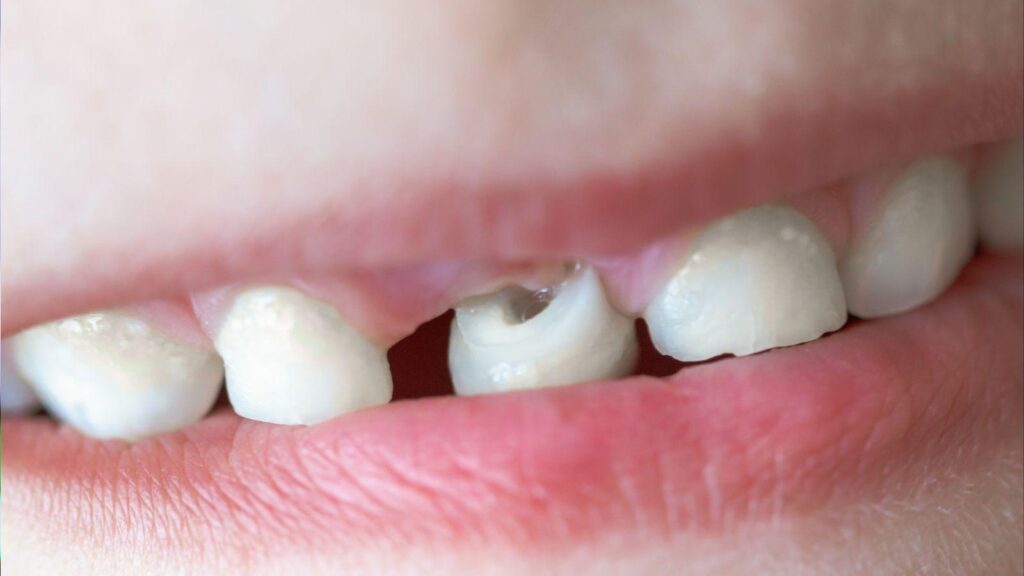
Losing teeth does more than change your smile; it lets the jawbone shrink and your face lose support. When tooth roots stop stimulating the bone, the jaw slowly resorbs, which can shorten your lower face, deepen wrinkles, and create a sunken, aged look — all reasons to explore teeth replacement in Hollywood, FL sooner rather than later.
You’ll learn how jaw bone loss happens, which facial features change, what speeds the process, and which restorations can halt or reverse the collapse. This knowledge helps you act sooner and choose treatments that protect both function and appearance.
Understanding Jaw Bone Loss
Jaw bone loss happens when the bone that supports your teeth shrinks, weakens, or changes shape. This affects how your face looks, how your bite works, and how stable nearby teeth remain.
Role of the Alveolar Bone
The alveolar bone sits around tooth roots and holds teeth in place. It needs the force from chewing and the presence of tooth roots to stay dense.
When you lose a tooth, the local blood flow and mechanical stimulation drop. The bone in that specific socket no longer gets signals to rebuild, so it slowly loses volume. This can happen within months and continues over years.
Key facts:
- The alveolar ridge is the part of the jaw most affected by missing teeth.
- Bone height and width decline first at the extraction site.
- Adjacent teeth can drift into the gap as support disappears.
Process of Bone Resorption
Bone resorption is the body’s process of breaking down bone tissue and removing minerals. Osteoclast cells remove bone when mechanical use or biological signals decrease.
After tooth loss, resorption accelerates because the alveolar bone no longer receives pressure from a root. Inflammation, gum disease, and age can speed the process. Without intervention, the bone flattens and becomes thinner.
You can track resorption:
- X-rays show reduced bone height and density.
- Clinically, sockets appear narrower and softer.
- Over time, the jaw’s shape changes, affecting fit for dentures or implants.
Impacts on Oral Structure
Loss of alveolar bone changes the way your face and mouth work. It lowers support for lips and cheeks, which can create a sunken or collapsed look.
Inside the mouth, reduced bone makes remaining teeth looser and more likely to shift. Your bite can become uneven, causing jaw pain or difficulty chewing. Denture fit worsens as the ridge shrinks, increasing soreness and slippage.
Treatment options that affect structure:
- Dental implants replace roots and help preserve bone.
- Bone grafts rebuild lost volume for future implants.
- Timely replacement of missing teeth limits long-term collapse.
Visible Changes to Facial Features
You will notice specific shifts in your face when teeth are lost: skin and muscles lose support, lips thin and fold inward, and the jaw edges become less defined. These changes happen gradually but can be seen in the cheeks, mouth area, and jawline.
Sagging and Wrinkling
When teeth and the supporting jawbone shrink, the soft tissues around your cheeks and mouth lose volume and support. This leads to hollowed cheeks and deeper nasolabial folds (the lines from nose to mouth). Skin that once stretched over firm bone and muscle now drapes more loosely, which creates sagging and more noticeable wrinkles.
Muscle tone can change too. The muscles that depend on tooth position adjust and may sit closer to the bone, reducing the natural lift in your midface. Over time, repeated facial movements on thinner tissue deepen expression lines and create a permanently tired look.
Loss of Lip Support
Teeth act like scaffolding for your lips. Missing front teeth, in particular, let your lips fall inward and lose fullness. Your upper lip may curl or look thinner, and the lower lip can turn under, making your mouth appear smaller.
This change alters how your smile looks and how your lips meet when you rest. You might notice increased vertical lines around the mouth as the skin compresses without tooth support. Dentures or implants can restore this support and help return a more natural lip shape.
Alterations in Jawline Contour
Bone resorption after tooth loss reduces jaw height and width. The lower one-third of your face can shorten, which flattens the angle between chin and neck. The jawline becomes less sharp and may appear rounded or recessed.
These changes also affect bite alignment. As bone changes progress, your chin can move forward or upward relative to the rest of your face, changing your profile. Replacing missing teeth and preserving bone helps maintain the original jaw contours and prevents further collapse.
Factors Accelerating Facial Changes
Losing teeth starts a chain of bone and soft-tissue changes that vary by how many teeth are gone, how long they’ve been missing, and your overall health. These three things drive how quickly your face loses support and begins to look sunken or aged.
Multiple Tooth Extractions
When you lose several teeth, the jawbone loses more stimulation. Each missing tooth stops sending bite forces into the bone. Over months and years, that causes bone to resorb faster where teeth are gone.
Losing a whole side of teeth or a full arch speeds collapse more than a single missing tooth. With multiple extractions you also lose vertical height in your bite. That makes the lower face appear shorter, the mouth corners droop, and the chin look closer to the nose.
Dentures that don’t restore bone stimulation can let resorption continue. Dental implants or fixed bridges help preserve bone better than removable appliances. Talk with your dentist about options that replace both teeth and the forces they provide.
Duration of Tooth Loss
How long a tooth has been missing matters. Bone loss begins quickly; measurable changes can appear within months. The first year after extraction often shows the biggest drop in jawbone volume.
Changes compound over time. Five or ten years without replacement means much more bone shrinkage than one year. Soft tissues — lips and cheeks — lose support next, so wrinkles deepen and facial contours flatten.
Replacing teeth early slows these changes. Even partial restorations placed within months reduce the rate of bone loss compared with waiting years. The sooner you act, the less structural change you’ll likely face.
Underlying Health Conditions
Certain health issues make bone and tissue loss worse. Osteoporosis reduces bone density throughout your skeleton, including the jaw. Uncontrolled diabetes impairs healing and speeds tissue breakdown.
Smoking lowers blood flow to bone and gum tissue and increases resorption after extractions. Severe gum disease (periodontitis) destroys the bone around remaining teeth and raises the chance of further tooth loss.
Medications like long-term steroids or certain cancer therapies can also weaken bone. If you have any of these conditions, tell your dental team so they can plan treatments that protect bone and soft tissue.
Restorative Solutions for Facial Appearance
You can restore lost facial support and slow bone loss with targeted dental treatments that replace missing roots, rebuild bite height, and support soft tissues. Each option affects bone, muscle, and skin differently, so choose based on long-term facial support, budget, and oral health.
Dental Implants and Bone Preservation
Dental implants act like tooth roots. A titanium implant placed into the jaw transmits chewing forces to bone, which helps keep the alveolar bone strong and reduces the bone shrinkage that causes a sunken look.
Implants support single crowns, bridges, or implant-retained dentures. They preserve vertical height of the lower face and maintain cheek fullness better than teeth-only restorations.
You may need bone grafting if significant resorption occurred. Grafts rebuild ridge volume so implants sit in healthy bone. Healing time varies from a few months to longer, depending on graft size and location.
Care involves daily oral hygiene and regular dental checkups. With good care, implants can last many years and provide the most reliable long-term support for facial structure.
Dentures and Facial Structure
Traditional removable dentures replace teeth but do not stop bone loss because they sit on top of the gums and don’t transmit chewing forces into the bone.
Well-made dentures can restore lip support, improve speech, and reduce the appearance of hollow cheeks in the short term. However, as bone shrinks over time, dentures can become loose and require relining, remaking, or lower vertical dimension adjustments.
Implant-supported dentures combine the lower cost of dentures with the bone-preserving benefit of implants. Even two to four implants can stabilize a denture and slow resorption, improving cheek and jaw support compared with a fully removable denture.
Keep dentures clean and follow follow-up visits for relines. Regular monitoring helps you maintain facial shape and function as your jaw changes.
Preventing Further Collapse
Act quickly after tooth loss. Replacing missing teeth within months reduces the rate of bone resorption and preserves face height.
Treat gum disease, control bruxism, and maintain good nutrition to protect bone and soft tissue. Smoking increases bone loss and reduces graft and implant success, so stop smoking before and after treatment if possible.
Ask your dentist about options: single implants, implant bridges, or implant-retained dentures, plus any needed bone grafting. Plan treatments that match your facial goals, budget, and medical needs to maximize long-term support.