

At some point, most people notice it. Stairs start to feel steeper. Getting up from the couch takes a bit more planning. Carrying groceries requires a grip adjustment halfway to the kitchen.
These are not dramatic events by themselves. But as more and more of these subtle shifts in physical ability become apparent, it can be a startling revelation: What you’re seeing may be the first signs that age is negatively impacting your muscle health. And this can happen even if you don’t consider yourself ‘old.’
The reality is that muscle decline is a long, slow process that starts earlier than most people assume. Long-term data tracking adults for nearly five decades show that strength and fitness can begin to decline around the mid-30s, with gradual acceleration over time.
What Actually Changes with Age?
Muscle mass, strength, and power are related, but they represent different qualities:
- Muscle mass refers to the amount of lean tissue on your body.
- Strength describes how much force you can produce.
- Power reflects how quickly you can produce that force.
With aging, strength and the ability to generate force rapidly — called rate of force development (RFD) — can decline faster than muscle size itself. Why is that important? Well, consider the following:
When you trip on uneven pavement, your body has less than 200 milliseconds to react. That response depends on rapid force production. Research shows that low maximal strength and reduced RFD are associated with mobility limitations and higher fall risk in older adults. Not great news, considering that older adults are also more likely to suffer major injury from falling. And, of course, falling is only one example; there are a nearly unlimited number of ways your body depends on the ability to produce force quickly.
Losing that ability puts you directly at risk.
Why Muscle Health Declines
The age-related loss of strength is sometimes referred to as dynapenia. When muscle mass, strength, and function decline together, the condition is known as sarcopenia. The biology behind this kind of muscle loss is complex, but several themes are consistent.
Aging is associated with reductions and shrinkage in muscle fiber, as well as changes in motor unit function. Fast-twitch fibers — the ones responsible for producing force quickly — are particularly vulnerable. Between the ages of 20 and 75, more than half of these fibers can be lost. Hormonal shifts also contribute, with declines in anabolic hormones such as testosterone, growth hormone, and estrogen influencing muscle protein synthesis and repair.
And that’s just accounting for natural physical changes. What happens when you throw inactivity into the mix?
As you might have guessed, reduced physical activity further accelerates muscle atrophy and weakens neuromuscular signaling. And while recreational aerobic exercise supports heart health, it does not provide enough stimulus to maintain maximal strength or neural drive on its own.
For that, your muscles require challenge.
The Role of Resistance Training
Resistance training remains the most direct strategy to support aging muscle health.
Structured strength training improves maximal strength, rate of force development, and muscle power in older adults. Training intensity plays a major role; training with weights that feel heavy — around 80% of the most you can lift once — tends to produce larger strength gains.
Sound intimidating? Well sure. Fortunately, it’s also something most people can handle. When programs are individualized and well monitored, heavy strength training has been shown to be safe and effective (including among individuals with osteoporosis, cancer, diabetes, and cardiovascular disorders). And, research suggests that the nervous system adapts right alongside the muscle.
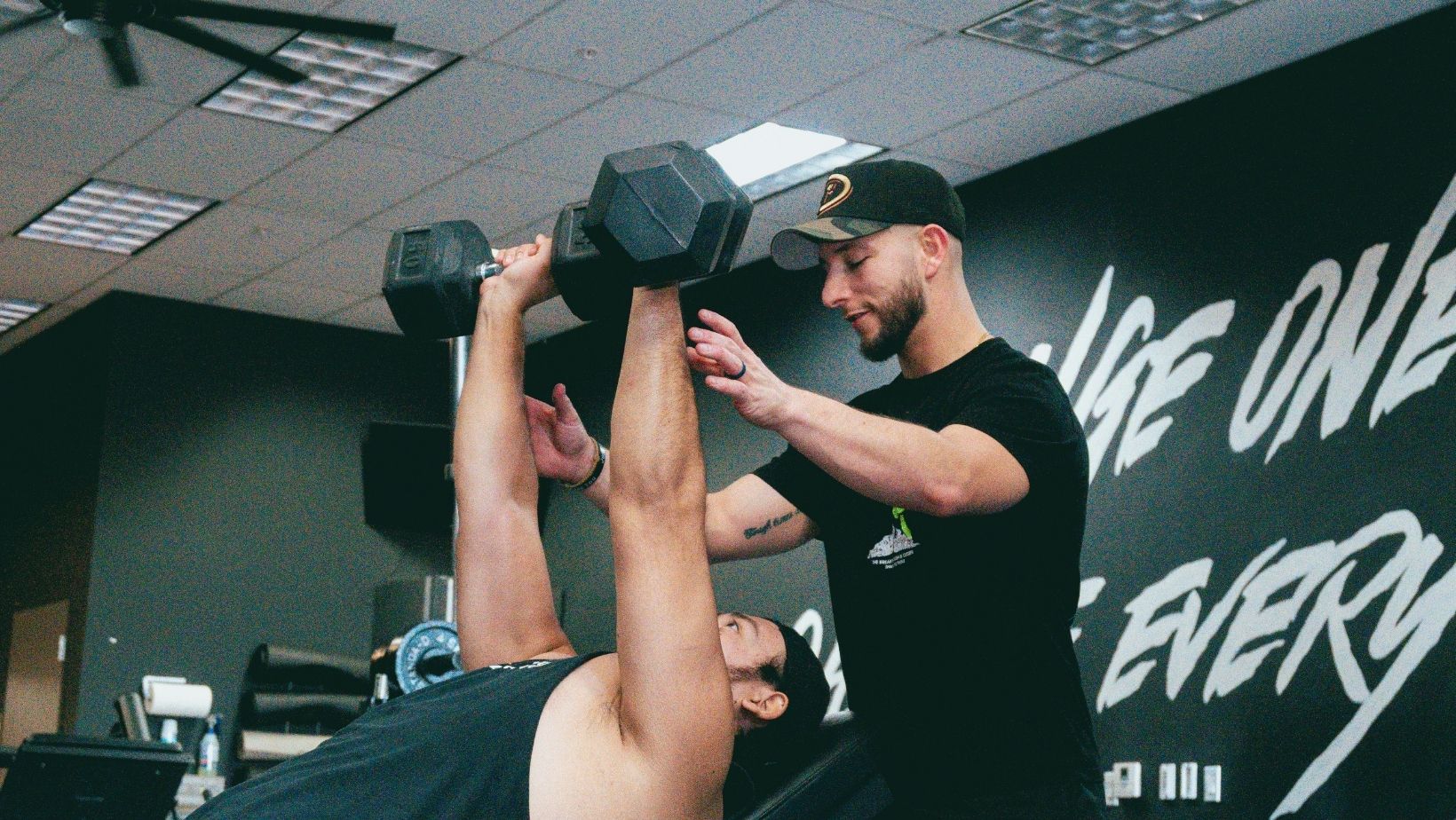
Strength training has been shown to improve how effectively your nervous system communicates with your muscles, allowing more muscle fibers to activate and work together. This helps explain why strength can increase even when muscle size changes (which is extremely relevant, given that the ability to produce force declines more quickly than muscle mass itself).
Muscle Health Affects Beyond Movement
Moving, lifting, climbing stairs… most people would say that these are vital abilities to retain as we age. But muscle health influences more than just our ability to perform physical tasks:
- Stronger muscles also improve glucose regulation. Muscle tissue acts as a site for glucose disposal, supporting insulin sensitivity and reducing risk of type 2 diabetes.
- Mechanical stress from resistance exercise stimulates bone-building cells and can help slow age-related bone loss.
- Muscle strength has even been associated with lower mortality risk in adults over 50.
Practical Steps to Support Aging Muscle
The science is clear. What may not be as clear is how you can keep your muscles healthy as you age. The good news is that you do not need extreme measures or complicated routines to make progress.
Focus on foundational movement patterns:
- Sit-to-stand or squat variations
- Hip hinge movements
- Push exercises
- Pull exercises
- Loaded carries
These exercises will help you strengthen the muscles you depend on the most. And if you want to get the most out of your workouts, consider the following tips:
- Strength train two to three days per week, and give your muscles time to recover between workouts.
- Wait at least 48 hours before training the same muscle groups again.
- Gradually increase the weight as exercises start to feel easier.
- Lower the weight slowly and with control, then lift it with strong, focused effort.
- Take enough rest between sets when using heavier weights.
- Eat enough protein throughout the day to help your muscles repair and rebuild.
- Get consistent sleep; muscle recovery and growth happen while you rest.
Supporting Muscle During Weightloss
It’s also worth noting that muscle loss is not limited to aging. Calorie restriction during weight loss can increase the risk of losing lean mass if protein intake and strength training are not being prioritized. That said, the solution is similar: A balanced approach that combines resistance training with adequate protein intake helps preserve muscle while reducing body fat.
Age Is Inevitable; Muscle Loss Is Not
Aging and muscle health are closely connected, but decline is not a foregone conclusion. With the right approach, strength can improve, neural function can adapt, muscle fibers can respond, and functional capacity can be preserved. This remains true at any stage of life — even in your 60s, your 70s, and beyond.
Challenge your muscles with purpose. Progress gradually. Stay consistent over time. And, perhaps most importantly, don’t ignore those little moments when everyday tasks start to feel harder — they are early reminders that your muscles are asking to be trained… because they’re not ready to be retired.