
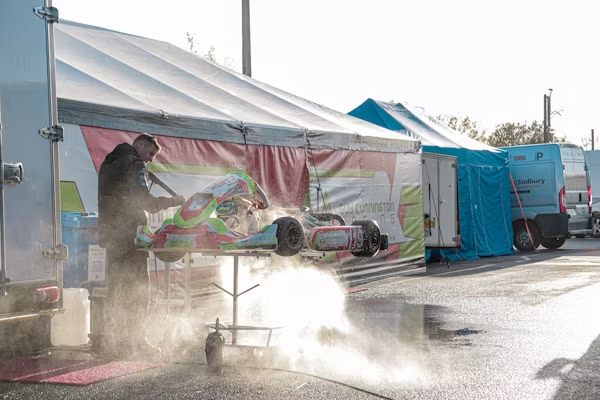
A spray booth tent solves one simple problem. You need a clean space to paint, but you don’t have room for a fixed booth bolted to the floor. The whole point of a tent style setup is that it goes up when you need it and disappears when you don’t. That matters if you’re working in a shared garage, a rented space, or a driveway that has to stay clear for cars later. A portable spray booth built around this idea gives you the containment of a real booth without the permanent footprint.
The tradeoff most people worry about is stability. Will a tent hold its shape through a full painting session, or will it sag halfway through? The answer depends on the frame, the fabric, and how the poles or air beams lock together. Once you know what to check, picking a tent that stays put is straightforward. This guide covers exactly that, starting with what setup speed actually looks like in practice.
How Fast You Can Really Set One Up
Most tent style booths use one of two systems. Pole frames slide through fabric sleeves and click into a base, which usually takes a few steps and no tools. Inflatable designs use an electric pump to fill air beams, and the shape holds itself once the blower reaches pressure. Either way, the goal is going from a folded bag to a usable enclosure without wrestling with hardware. If a listing shows a wrench or bolts in the setup photos, that’s a sign it’s closer to a permanent structure than a true tent.
The real test isn’t the first setup, it’s the tenth one. Poles that bend slightly after repeated use start taking longer to align. Air beams that develop a slow leak need patching before they hold shape properly again. When you’re comparing a portable spray booth, look at how buyers describe repeat use, not just the first unboxing. That tells you more about long term setup speed than any spec sheet.
Pole Tents Compared to Inflatable Designs
Pole tents are lighter and usually cheaper to repair since a bent rod is easy to replace on your own. They work well outdoors too, especially with ground stakes holding the base steady in wind. The downside is a slightly smaller usable footprint, since the poles cut into some of the interior space. For small to medium projects like furniture or motorcycle parts, this rarely matters.
Inflatable spray booth tents give you a larger open interior since there are no poles cutting through the middle. The arched shape also handles wind better once inflated, and the blower doubles as ventilation once you’re spraying. The catch is that you depend on the blower working every time you set up, so a dead motor means no booth. Both designs work well, but knowing which tradeoff fits your workspace saves a return down the line.
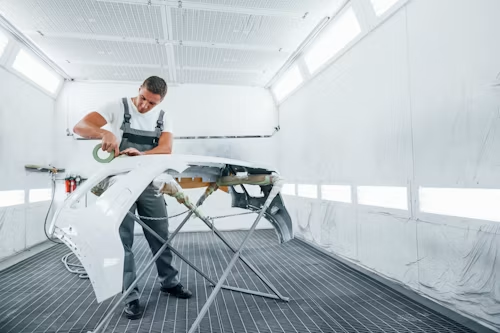
Packing Down and Storage After Use
Setup speed only tells half the story. What happens when you’re done matters just as much, especially if the tent lives in a car trunk or on a garage shelf between uses. Fabric that creases sharply can crack over time, so look for a booth designed to fold along built in seams rather than random points. A storage bag with real structure, not just a thin sack, protects the fabric and filters during transport. If a bag zipper struggles to close on day one, it will only get worse as fabric wears in.
Filters need separate handling during storage. Damp or paint coated filters left folded inside a bag can mold or clog before the next job. Letting filters dry fully and storing them flat, even outside the main bag, extends their life. A spray booth tent that includes a dedicated filter pouch or slot makes this step easier to remember. Skipping it is the most common reason people end up buying replacement filters sooner than expected.
Keeping Airflow Steady in a Portable Setup
A tent that goes up fast still needs to move air properly once you’re spraying. Passive tents rely on open vents and mesh panels to let fumes escape, which works for light aerosol work but struggles with heavier spray guns. A powered portable spray booth adds a blower that pulls fumes through a filter and pushes clean air through, which handles bigger jobs far better. Check whether the blower runs separately from the inflation system or does both jobs at once, since that affects how long you can run it during a session.
Position also matters more than people expect. A tent set up against a wall traps fumes in a corner instead of letting them clear. Leaving space on the exhaust side lets the blower actually push contaminated air somewhere useful. If you’re working indoors, crack a nearby door or window so the air has somewhere to go. A booth with strong airflow numbers on paper still needs a little room to work as intended.
Choosing a Size That Matches Your Projects
It’s tempting to buy the biggest tent available so you never run into space problems. But a larger spray booth tent takes longer to set up, needs more storage room, and uses a stronger blower to keep air moving through the whole interior. If your projects are mostly furniture, cabinet doors, or small engine parts, a mid sized tent gives you room to move without extra bulk. Save the largest sizes for anyone regularly working on full vehicles or multiple pieces at once.
Height deserves as much attention as floor space. A tent tall enough to stand fully upright makes spraying overhead surfaces far easier than crouching under a low roof. Check the peak height listed, not just the average, since arched or pole designs often taper toward the edges. Walking through your typical project list before buying helps you land on a size you’ll actually use every time, not just the one that looked impressive in photos.
Final Words
A spray booth tent gives you the flexibility to create a clean painting space without committing to a permanent installation. The right model should be quick to set up, easy to pack away, and capable of maintaining steady airflow throughout your project. Features such as a durable frame, reliable ventilation, quality filters, and a practical storage design make a noticeable difference over time.
Before buying, think about the types of projects you handle most often, the space available for setup, and how frequently you’ll move or store the booth. Matching those needs to the right design will help you choose a portable spray booth that delivers consistent results, protects your work from dust and debris, and makes every painting session more efficient.
Frequently Asked Questions
How long does a spray booth tent take to set up?
Most pole or inflatable designs go up in a handful of steps without tools, though repeated use and wear can slow things down over time.
Can a portable spray booth be used indoors?
Yes, as long as the space has some outside airflow and the blower can push fumes out rather than trap them inside.
Do spray booth tents work for cars or just small projects?
Larger tent models handle vehicles and motorcycles, while smaller pop-up versions suit furniture, crafts, and models work better.
How do I stop a tent from wobbling in the wind?
Ground stakes, sandbags, or weighted anchors at each corner keep both pole and inflatable designs steady outdoors.
What’s the easiest way to store a spray booth tent between uses?
Let it dry fully, fold along built in seams, and keep filters separate so moisture and paint residue don’t damage the fabric.