
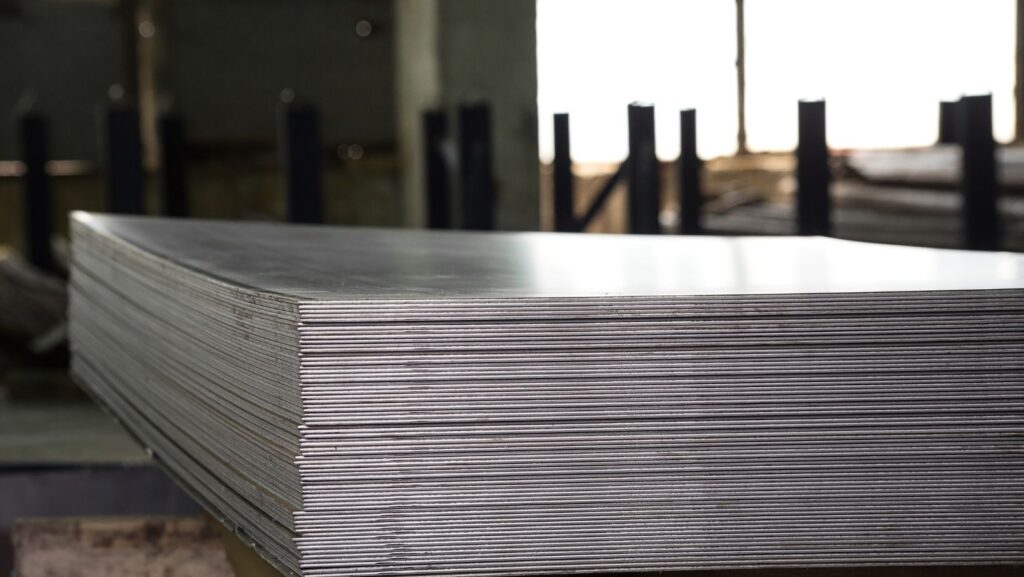
Stainless steel work tables are the backbone of any professional kitchen. They provide a clean, stable, and predictable surface that can stand up to heavy use and high temperatures in commercial environments where every workflow is dictated by food safety. The right work table then becomes more than equipment; it becomes part of the kitchen’s operational discipline.
Why Stainless Steel is Mandatory for Commercial Use
Stainless steel meets sanitation standards because its non-porous surface doesn’t absorb moisture, food residue, or bacteria. Unlike wood or laminate, stainless steel can be scrubbed, sanitized, and dried throughout the day without degrading. This is just why heavy-duty work tables dominate professional food-prep environments: they enable staff to maintain hygiene while working at speed.
Stainless steel also resists corrosion, which is critical for areas that are to be exposed to sauces, acids, salt, and cleaning agents on a constant basis. NSF-certified models go one step further in ensuring smooth edges, sealed joints, and a finish that supports consistent sanitation routines. For the manager who oversees compliance issues, stainless steel is simply the safest choice over the long term.
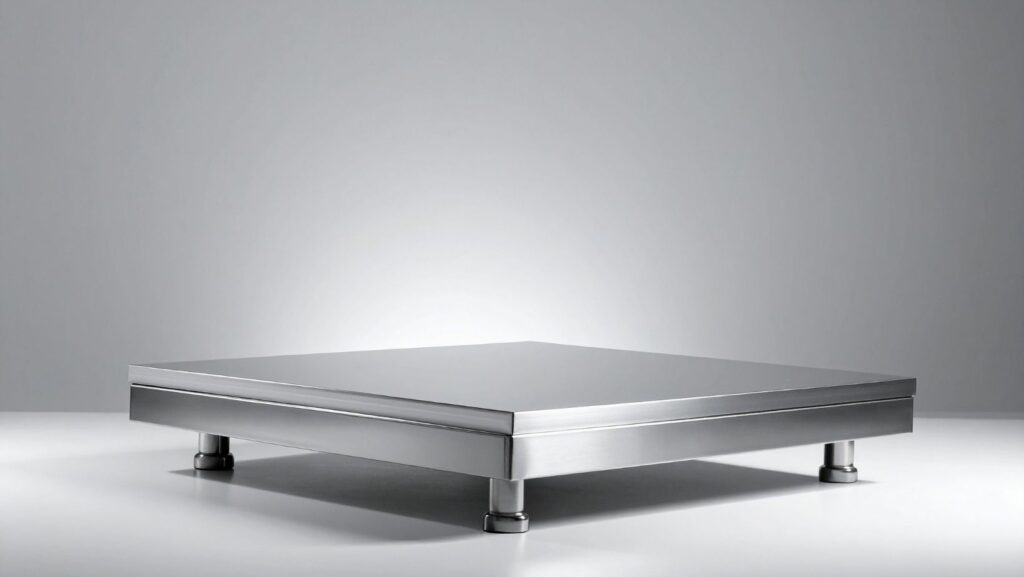
Key Differences: 16 Gauge vs 18 Gauge Steel
The gauge shows just how sturdy and durable the table will be. Even a small shift in the gauge changes the performance of the table under duress, daily wear, and heavy equipment.
16-Gauge Steel (Thicker, Stronger):
- Ideal for high-volume kitchens or stations.
- Offers superior stability with less flex under weight.
- Better suited for mixers, slicers, and jobs in food preparation that require force.
18-Gauge Steel (Lighter Duty, More Economical):
- Good for light prep, packing, plating, or storage.
- Slightly more prone to dents under heavy impact.
- Often chosen for budget-conscious builds.
Quick comparison:
16-gauge = durability and long-term reliability.
18-gauge = affordable for lighter uses.
The correct gauge will ensure you invest once and not have to deal with either replacements or repairs later.
Prep Tables for Optimizing the Workflow in the Kitchen
Prep tables affect how efficiently workers can move, chop, portion, and build the dishes. Well-placed tables avoid unnecessary steps, keep tools within reach, and avoid blockages during the service. Undershelves allow for immediate storage of pans and ingredients, while adjustable feet stabilize this surface on uneven floors.
Stainless steel prep tables also promote clear zoning in the kitchen. Each of the raw proteins, cooked foods, and vegetables can be assigned to a separate station to minimize cross-contamination and support clear HACCP compliance.