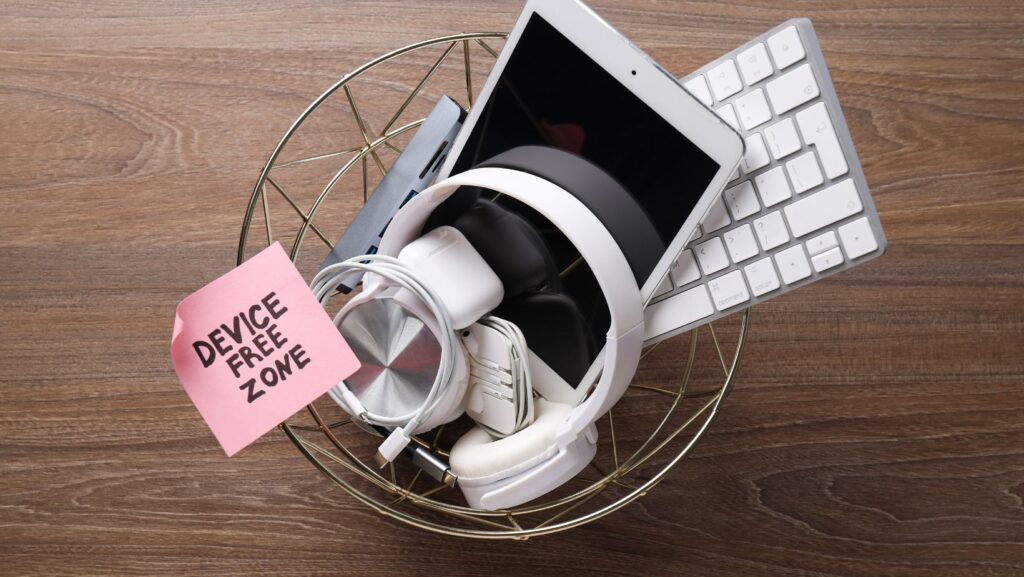
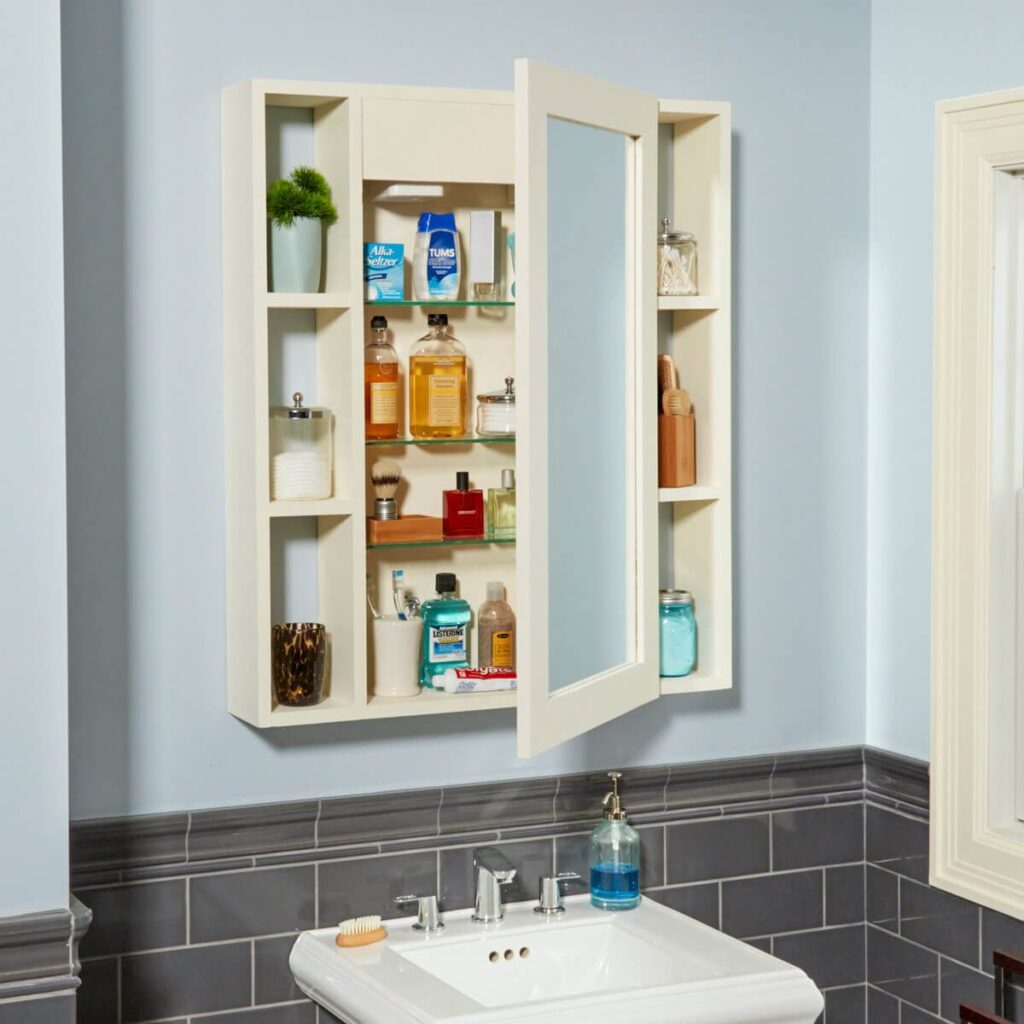
We used to have this singular image of a bathroom mirror. You open it up; there’s a half-empty bottle of pink antacid, some expired aspirin, and maybe a thermometer that hasn’t seen a fresh battery since the late nineties. That was the extent of our home health toolkit. It was reactive. You felt a fever, you reached for the plastic stick. You had a cough, you swallowed some syrup. But things are shifting. The wooden shelf is turning into something a bit more sophisticated; something that talks back to us.
The shift isn’t just about having better gadgets. It’s about a change in the internal monologue we have regarding our bodies. We are moving away from the “fix it when it breaks” mentality. Now, it is more about the constant data stream. We want to see the numbers. We want to know why we felt sluggish at 2 PM yesterday. The consumer health tech movement has basically taken the diagnostic tools once reserved for a sterile clinic and shrunk them down to fit next to our toothbrush.
The Rise of the Proactive Patient
The dynamic has flipped. For decades, the doctor held all the cards; they had the charts, the blood results, the stethoscope. You were just the person sitting on the crinkly paper of the exam table. Today, the patient is often walking into the room with a six-month graph of their resting heart rate. This isn’t just about being “informed.” It’s about a new kind of ownership.
People are tracking sleep cycles with rings. They are monitoring glucose levels with patches, even if they aren’t diabetic. They want to see how a slice of pizza affects their metabolic health in real-time. It’s a bit obsessive, sure; however, it creates a feedback loop that was never possible before. You aren’t waiting for a yearly physical to find out your blood pressure is creeping up. You saw it on your watch last Tuesday after that stressful meeting.
This influx of personal data changes the conversation. It makes the medicine cabinet less of a graveyard for old pills and more of a command center. We are starting to curate our health environment based on what the sensors tell us. If the ring says our recovery is low, we look for magnesium or a specific supplement. The guess work is fading out.
The New Logistics of Getting Better
Convenience used to mean the 24-hour drugstore on the corner. Even that feels like a chore now. Why drive, park, and stand in line when the entire supply chain has been digitized? The way we source our actual medicine has caught up with the way we buy everything else. We expect a level of speed that matches the rest of our digital lives.
When you realize you are running low on a maintenance medication, or perhaps you need something for a sudden flare-up, the friction of the old world becomes obvious. The process of calling a doctor, waiting for a callback, and then hoping the pharmacy has the stock is outdated. Modern systems allow for a much faster turnaround. You can find what you need with a few clicks. It is about removing the barriers between recognizing a health need and actually addressing it. If you want to see how this transition looks in practice, you can visit onlinepharmacy.co to see the modern interface of health retail.
The integration of these services means the physical medicine cabinet is becoming smaller. We don’t need to stockpile “just in case” because the replenishment cycle is so tight. The reliability of digital sourcing has turned the home stash into a lean, mean operation. It is less about clutter and more about precision.
Wearables as the First Line of Defense
We should talk about the sensors themselves. They have moved past the “step counter” phase. We are looking at medical-grade optics on the back of basic consumer watches. These devices are catching atrial fibrillation. They are spotting sleep apnea before the user even knows why they are tired.
- Continuous Glucose Monitors: Once only for Type 1 diabetics, now used by bio-hackers to stabilize energy.
- Smart Scales: They don’t just show weight; they calculate bone density and water percentage.
- Hydration Sensors: Small patches that tell you when your electrolyte balance is off during a workout.
These aren’t just toys. They are the early warning systems. The medicine cabinet of the future likely includes a charging station for these peripherals. We are seeing a world where the device tells you what you need before you feel the symptom. It’s a strange, slightly futuristic feeling. You get a notification that your body temperature is slightly elevated; maybe you should take some Vitamin C and sleep an extra hour. You are treating the illness before it actually arrives.
The Psychology of Self-Care
There is a psychological weight to this. For some, it’s anxiety-inducing. Too much data can lead to “cyberchondria,” where every spike in a graph feels like a crisis. But for the majority, it offers a sense of agency. We spent so long being told how we felt by professionals. Now, we have the evidence in our pockets.
The tone of self-care has changed from “pampering” to “optimization.” We aren’t just taking a bath; we are monitoring how the bath affects our heart rate variability. It sounds clinical; however, it’s actually quite personal. We are learning the specific language of our own biology. This knowledge dictates what we keep on our shelves. We are no longer buying the “one size fits all” multivitamins. We are buying specific compounds that address the deficiencies highlighted by our last home blood test kit.
Breaking Down the Barriers to Information
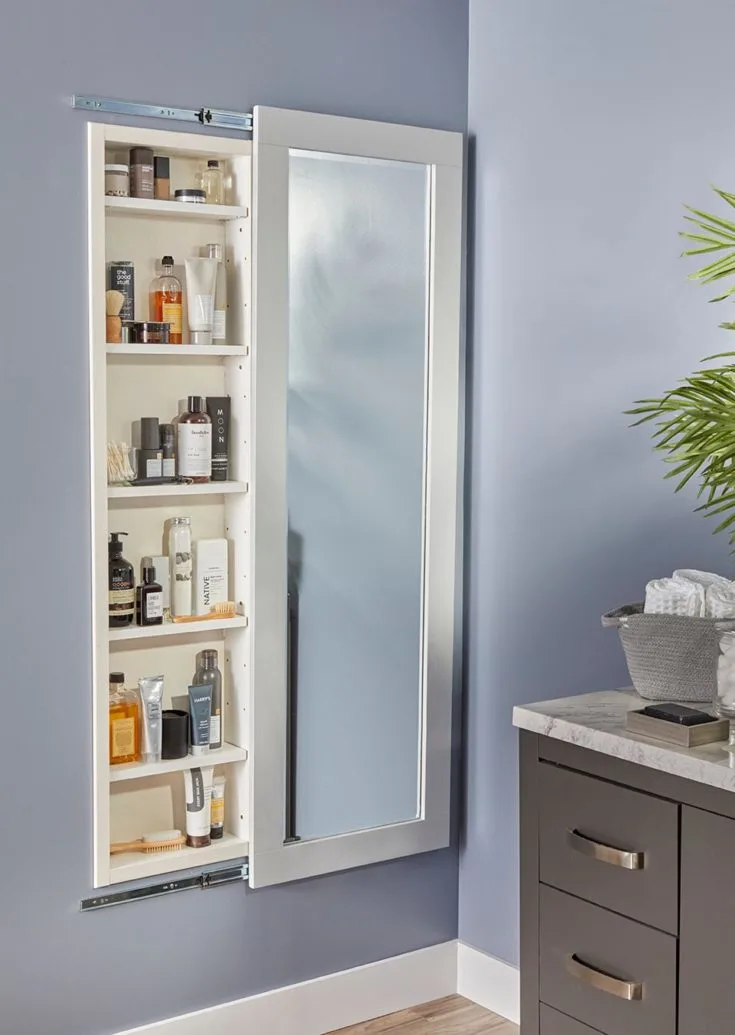
Access used to be the bottleneck. If you wanted to know what a specific drug interaction was, you had to ask the pharmacist or dig through a massive book. Now, the information is layered into the shopping experience. The digital medicine cabinet is smart. It warns you. It suggests alternatives.
This level of transparency is vital. It creates a more lateral relationship between the provider and the consumer. We are seeing AI-driven chatbots that can triage a symptom list with surprising accuracy. They aren’t replacing doctors; they are acting as a filter. They help you decide if you need an ER, a GP, or just a heavy dose of hydration and a nap.
- AI Symptom Checkers: Reducing unnecessary clinic visits by providing instant, data-backed advice.
- Digital Prescriptions: Moving away from the paper trail to ensure accuracy and speed.
- Personalized Supplementation: Subscriptions that change every month based on your latest biometric data.
The Home as the New Clinic
If you look at where the money is going, it’s clear. The home is the new frontier for healthcare. Companies are betting on the fact that we would rather manage our chronic conditions from the couch than the waiting room. We are seeing the arrival of smart mirrors that can analyze skin conditions. We have connected inhalers that track geographic triggers for asthma.
The medicine cabinet is no longer a static box. It is a node in a much larger network. It connects to your phone, which connects to your doctor, which connects to your insurance. It is a living ecosystem. The “self-care” label used to be looked down upon as something soft or unscientific. That is no longer the case. Self-care is now data-driven, rigorous, and highly technical.
We are reaching a point where the distinction between “consumer tech” and “medical tech” is blurring into nothingness. When a watch can perform an EKG, the line has been crossed. This is great for the average person. It means the tools of longevity are no longer locked behind a paywall of professional gatekeeping. You have the power to monitor, analyze, and act.
Final Thoughts on the Transition
It is a lot to take in. The speed of this change is staggering. We went from mercury thermometers to infrared lasers in a heartbeat. The medicine cabinet of tomorrow won’t just be a place for Band-Aids. It will be the place where your data meets your solutions. It will be the hub of your personal health strategy.
We are becoming the CEOs of our own well-being. The technology is just the staff. It provides the reports, but we make the calls. This shift toward a more calculated, tech-heavy approach to self-care isn’t just a trend; it’s the new standard. The old mirror cabinet is dead. Long live the smart hub.