
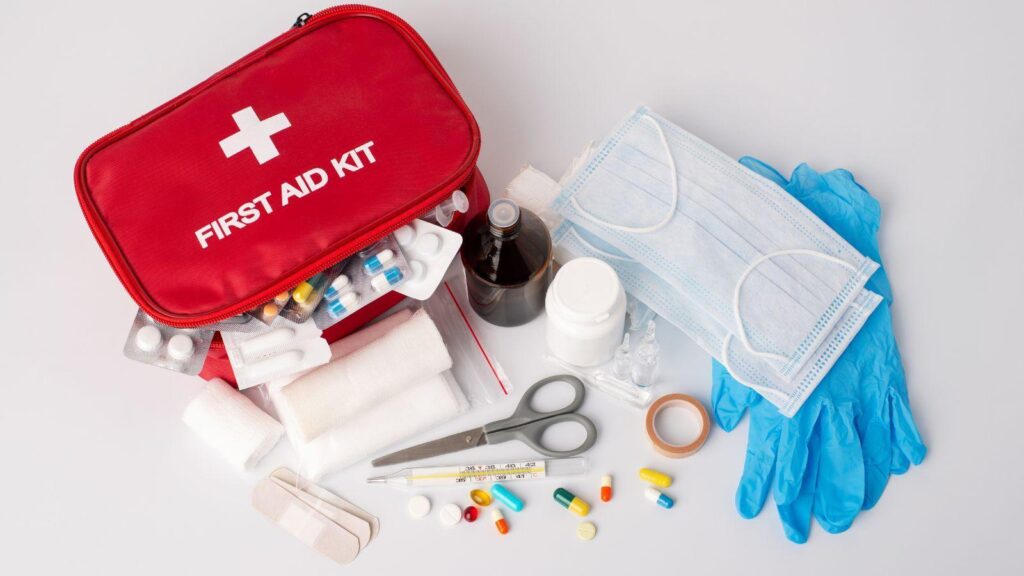
Most home medicine cabinets are a graveyard of expired bottles bought during a specific panic and never touched again. A genuinely useful one is smaller than people expect and organized around what actually happens in a household rather than what might theoretically happen someday.
Here is what earns its place, what quietly does not, and the part most households skip entirely.
Start from what actually happens
The complaints that recur in almost every home are minor pain, fever, allergies, small wounds, and stomach upset. Stock properly for those and you have covered the overwhelming majority of your real-world need.
- A pain and fever reducer, in both adult and child dosing if relevant
- An antihistamine for allergic reactions and hives
- Antiseptic, assorted bandages, and medical tape
- A digital thermometer that actually works
- Oral rehydration salts, far more useful than most people realize
- A basic antifungal cream, since athlete’s foot and ringworm are extremely common
- Tweezers and small scissors, which get used constantly
Notice what is absent. Leftover antibiotics, someone else’s prescriptions, and the six half-used cold remedies from previous winters. Those take up space and create risk without adding any real capability.
Storage matters more than people think
The bathroom is the worst place in the house for medication, which is unfortunate given that is where nearly everyone keeps it. Heat and humidity from showers degrade tablets and creams faster than the expiry date suggests.
A linen closet, a high kitchen cupboard away from the stove, or a bedroom shelf all work better. The requirement is simple: cool, dry, out of direct light, and genuinely out of reach of children. A latched box on a high shelf beats a cabinet with a child-proof catch that stopped working in 2019.
Check the dates once a year
Pick a date you will actually remember, birthday or new year, and go through the whole kit annually. Expired medication is not merely weaker, it is unpredictable, and the moment you need it is the worst possible time to discover it is three years past date.
The same visit is a good time to replace thermometer batteries and restock whatever got used during the year without anyone noticing. Ten minutes once a year keeps the whole thing functional.
The part most households skip
A well-stocked cabinet handles the treatable. What it cannot do is tell you whether something needs a clinician, and that judgment call is where households actually struggle. People either overreact and lose an afternoon in an urgent care waiting room for something minor, or they wait too long on something that needed attention days ago.
Having a fast way to get a real answer closes that gap. An online urgent care visit connects you with a licensed clinician in minutes for common complaints, at a flat and visible cost, which turns the treat-at-home-or-get-help decision from guesswork into an informed choice. For a household with children, that is arguably more useful than anything sitting in the cabinet.
Dosing is where mistakes happen
The most common home medication error is not the wrong drug, it is the wrong amount. Children’s dosing depends on weight rather than age, and the two diverge quickly. A chart on the box that assumes an average six-year-old may be well off for your particular six-year-old.
Write the current weight of each child on a note inside the kit and update it a couple of times a year. It removes guesswork at the exact moment you are least equipped to do arithmetic, and it is the single highest-value thirty seconds of preparation available.
What to keep out
Do not keep other people’s prescriptions, and do not save leftover antibiotics for next time. Partial courses contribute to resistance, and the leftover rarely matches whatever the next infection turns out to be. Both should go to a pharmacy take-back rather than the bin or the toilet.
A good home kit is small, current, and honest about its limits. Stock what you use, throw out what you do not, and know exactly who to ask when the cabinet is not enough.