
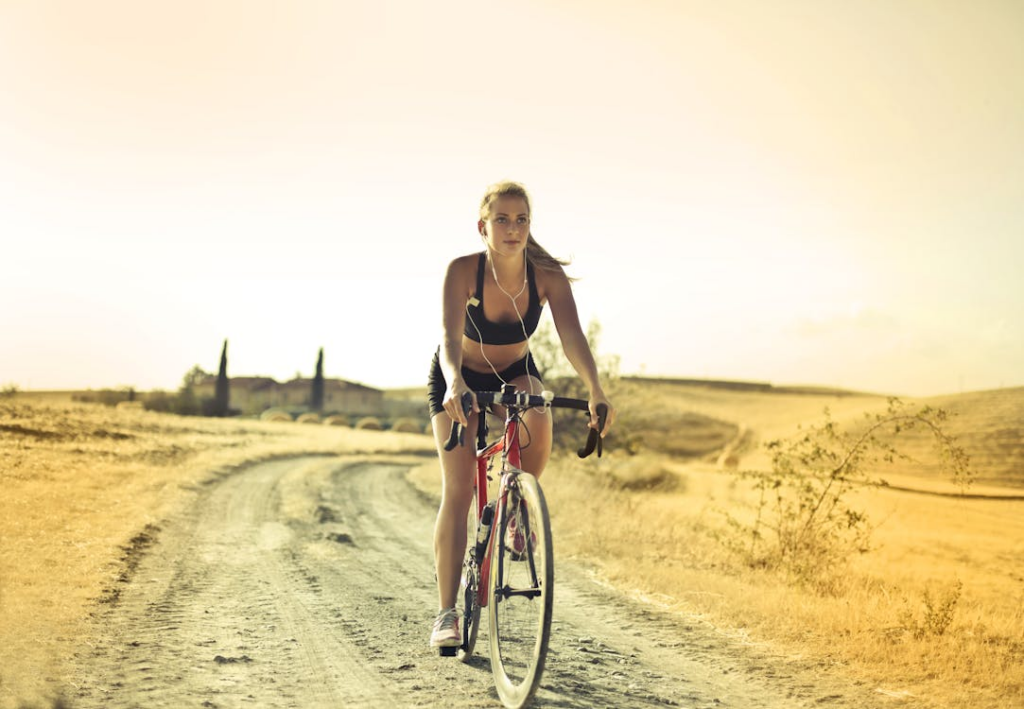
Looking to spend more time outdoors? You’re not alone.
Outdoor hobbies have skyrocketed in recent years. Between hiking, biking, camping, trail running…the list goes on. Millions of people have discovered the joys of getting outside.
Here’s the problem.
All this outdoor gear can be expensive. Bikes. Helmets. Camping equipment. Clothes. Throw it all together and it’s easy to spend hundreds, maybe even thousands of dollars to get started.
But that doesn’t have to be the case. By shopping smart, it’s possible to outfit yourself for just about any hobby without breaking the bank.
What you’re going to learn:
- Why Outdoor Hobbies Are Booming
- Bike Helmet Safety Essentials Every Rider Needs
- How To Gear Up for Less
- Smart Ways To Save on Outdoor Equipment
Why Outdoor Hobbies Are Booming
The numbers speak for themselves…
Recent data from the Outdoor Industry Association found that outdoor recreation reached an all-time high in 2024. There were 181.1 million Americans participating in outdoor activities. That stat comes out to nearly 60% of the US population over the age of six.
Let that sink in for a minute.
Outdoor hobbies aren’t a niche hobby. Over half the country is now spending time outside doing something active. And gateway sports like hiking, fishing, camping and yes…bike riding are some of the fastest-growing outdoor activities. Each of those categories saw over 2 million new participants just last year.
Who’s participating? Families, retirees, young adults…every demographic is spending more time outdoors.
People are staying active without spending money on gym memberships. They’re squeezing in weekend hikes or biking to work instead of driving. And guess what? Outdoor hobbies are only getting more popular.
Bike Helmet Safety Essentials Every Rider Needs
Biking is huge right now. It doesn’t matter if you’re road biking, mountain biking or just cruising around on a weekend ride…more people have taken up cycling than ever before.
Want to shop for bikes online? The easiest way is to find an online retailer that offers options for every skill level and budget.
Safety comes first though. No matter if you’re a beginner or a pro, bike helmets are mandatory. Let’s dive into what every cyclist should know about helmet safety.
Research shows that helmets reduce the risk of head injury by 48%
According to a meta-analysis by the National Institutes of Health, bicycle helmet usage lowers the risk of head injuries by nearly half. Helmet safety has come a long way since its early days. Modern helmets are extremely effective, but they’re only useful if you wear one.
Tragically, many riders still don’t wear helmets.
Helmets are required by law for riders under 18 in most states. But that doesn’t mean every cyclist should thinks they’re necessary. Studies have shown that proper helmet use is surprisingly low across all age groups.
Choosing The Right Helmet
When you’re buying a bike helmet, keep these things in mind:
- Certified safety standards – Make sure the helmet is CPSC certified or meets similar safety standards.
- Fit – Helmets should sit level on your head and cover your forehead. Straps should form a “V” underneath each ear.
- MIPS technology – Multi-directional Impact Protection System uses an extra layer inside the helmet to help absorb rotational forces during an impact.
- Ventilation – Look for helmets with lots of built in airflow to keep you cool on long rides.
Here’s a helmet safety tip that most people don’t realize.
A bike helmet is basically worthless if it doesn’t fit your head properly. A bad fit means helmets are more likely to shift around during an impact. Not only that, but helmets that don’t fit right won’t be worn. If your helmet constantly falls off or makes you uncomfortable, you’re less likely to wear it. Fitting your helmet correctly is crucial.
When To Replace Your Helmet
When should you buy a new helmet?
If your helmet has ever been impacted heavily in a crash, replace it. You can’t see damage to the foam inside, but it has absorbed the energy from the impact and won’t protect you later.
As a general rule of thumb, throw out old helmets every five to seven years. UV rays and sweat breaks down the materials over time.
How To Gear Up for Less
It’s finally time for the good stuff. If you follow these tips, you’ll be able to outfit yourself for just about any outdoor hobby.
Know What You Need First
Before buying anything, write out a list of exactly what you need. Don’t go wandering into a sporting goods store without a shopping list.
Stick to your list as best you can. It can be tempting to buy extra stuff. But by knowing exactly what you need first, you’ll keep from getting bogged down with useless extras.
Shop Off-Season Sales
Want to know the easiest way to save money on outdoor gear?
Buy stuff when it’s discounted.
Why do retailers put their gear on sale? Because they need to clear out last season’s inventory to make room for new stock! This means early summer is the perfect time to buy cycling gear at steep discounts. Boxing day, black Friday and Cyber Monday are also great time to score deals on outdoor equipment.
Buy cycling gear when summer fades out. Purchase hiking boots when winter approaches. Prices will always be best during off-season sales.
Buy Versatile Items
One proven trick is to only buy gear that has multiple uses.
A good pair of trail runners can be worn for hiking, trail running and every day wear. A quality Baselayer is just as good for cycling as it is hiking or camping. A single backpack can be used for day hikes, overnighters and almost every hiking situation.
Think about items that can fill multiple roles. You’ll end up buying less gear overall and save money.
Buy Used When Possible
Another huge money saver is to buy certain items second hand.
Online marketplaces like Facebook marketplace and Instagram are full of quality outdoor gear at steep discounts. The trick is knowing what can be bought used, and what should always be bought new.
Clothing, backpacks, sleeping pads and cookware are all fine to purchase preowned. But safety gear like helmets should always be bought brand new. You never know if a used helmet has been impacted in a crash and has unseen damage.
Rent Equipment First
Trying to decide if you want to take up a new hobby? Before you buy anything, see if you can rent the gear.
Many outdoor companies have rental programs. Outdoor furniture companies rent everything from bikes, tents and kayaks. Renting for a weekend is the perfect way to “test drive” an outdoor hobby.
Take Care Of What You Own
Saving money on outdoor hobbies isn’t just about buying cheap. Taking care of gear you already own will save you tons in the long run.
Maintenance is everything. Clean and air out tents and sleeping bags after every use. Store boots and camping gear in a cool dry place during the offseason. These small habits ensure you’ll use your equipment for years.
Final Thoughts
There’s never been a better time to take up an outdoor hobby.
Millions of people across the country are spending more time outdoors than ever. But you don’t need expensive gear to get started. By following these tips, you can easily outfit yourself for just about any hobby.
Remember:
- Don’t forget about helmet safety. A bike helmet is useless if it doesn’t fit properly.
- Know what you need before you buy it. Don’t get suckered into buying stuff you don’t need.
- Have patience when making outdoor purchases. Buy things off-season for the biggest savings.
- Rent before you buy when trying something new.
- Maintain the gear you own to save money in the long term.