
My toes, which felt like little ice cubes wrapped in cotton, strongly disagreed.
Like millions of well-intentioned homeowners, I had fallen for the ultimate modern trap. I believed that buying a piece of advanced technology would miraculously fix the structural flaws of an aging house. I thought algorithms and Wi-Fi connectivity could outsmart the laws of physics. I was wrong, and my skyrocketing utility bills were the monthly punishment for my ignorance.
The hard truth is that an expensive smart thermostat in a poorly sealed home is like putting a digital speedometer on a bicycle and expecting it to go seventy miles an hour. It’s just measuring the failure. If your home constantly feels drafty, if some rooms are saunas while others are meat lockers, and if your heating system runs relentlessly without ever hitting that sweet spot of comfort, you are the victim of a silent, invisible energy heist.
And the culprits aren’t hiding in your basement. They are right above your head.
The Illusion of the Fluffy Pink Blanket
When we think about keeping our homes warm, we usually think horizontally. We buy thicker curtains for the windows, we put draft stoppers under the doors, and we throw down plush rugs on hardwood floors. But basic science teaches us a relentless rule: heat rises.
Every dollar you spend heating your home transforms into warm air that naturally wants to float upward, straight toward your ceiling. If your attic isn’t properly equipped to stop it, that heat simply phases through your drywall, enters the dark abyss of your attic, and escapes into the cold winter sky. You are literally paying to heat your neighborhood.
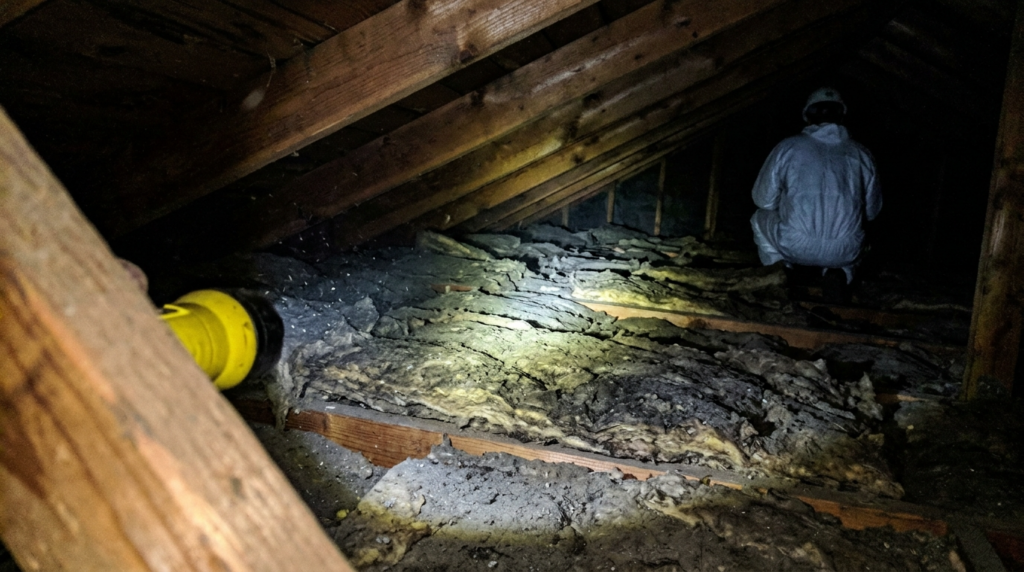
Most homeowners assume that because they have some old, dusty fiberglass rolled out between their attic joists, they are protected. But insulation isn’t magic, and it certainly isn’t permanent. Over the years, that fluffy material settles, compresses, and degrades. It gets trampled by contractors, crushed under boxes of holiday decorations, and sometimes, unfortunately, turned into a nesting ground for local wildlife. Once insulation loses its volume, it loses its thermal resistance (its R-value).
If you were to pop your head into your attic right now, you might see exposed wooden joists or patchy, blackened material. That is the visual equivalent of a giant hole in your wallet. The secret to finally feeling warm in your own house isn’t turning the thermostat up; it’s putting a heavy “lid” on your home.
Upgrading your thermal barrier is arguably the highest-ROI project a homeowner can undertake. But throwing random materials up there won’t solve the issue. You have to understand the science of your specific space. Exploring the options and finding the best insulation for an attic ceiling—whether it’s blown-in fiberglass, dense cellulose, or expanding spray foam—creates an impenetrable thermal envelope. Suddenly, the heat you pay for stays exactly where you want it: in your living room.
The Romantic Enemy in Your Living Room
So, you’ve sealed the attic. But what if there is another gaping hole in your home’s defense system? One that you actively invited inside because it looked beautiful and felt romantic?
I am talking about your fireplace.
There is nothing quite like the aesthetic of a crackling fire on a snowy evening. It’s the centerpiece of holiday gatherings and the ultimate background for a cozy movie night. However, when the fire is out, your chimney essentially acts as a massive, open straw sucking the conditioned air right out of your house.
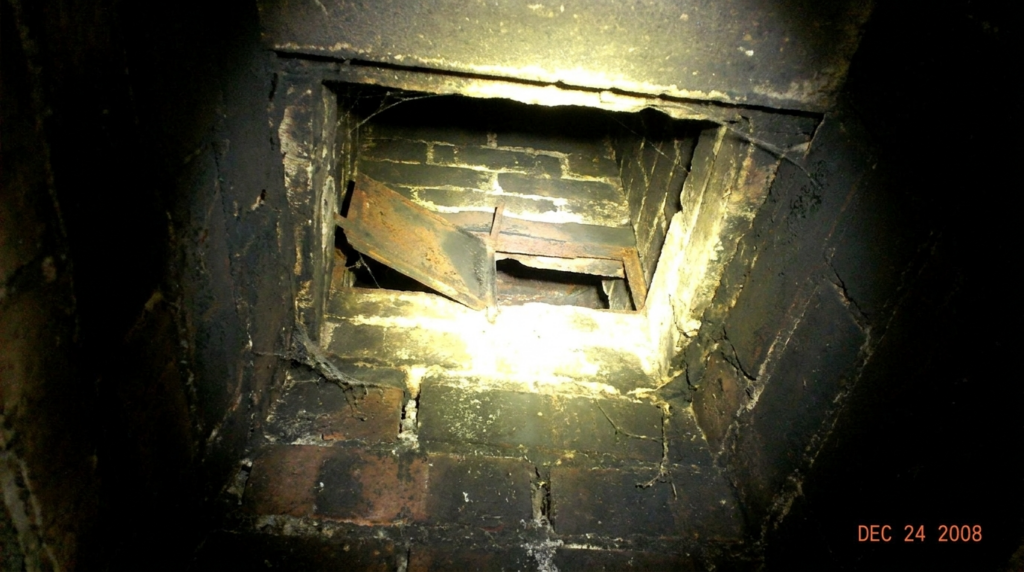
Think about the architecture of a chimney. It is designed to create a powerful updraft to safely carry smoke and toxic gases out of your home. But that physics principle doesn’t turn off just because the fire is extinguished. If your damper is broken, rusted, or simply left open by mistake, your chimney pulls the warm air from your living room and sends it straight up the flue. In exchange, heavy, freezing outdoor air drops right down into your house, creating those mysterious, bone-chilling drafts you feel while sitting on your couch.
Even worse, a neglected chimney is a ticking time bomb. Creosote—a highly flammable, tar-like substance created by burning wood—builds up on the inside of the flue over time. Combine that with a structural crack or a failing masonry joint, and your “cozy fireplace” suddenly becomes a severe fire hazard and a massive energy drain.
Before you burn your first log of the season, or if you simply want to stop the relentless drafts pulling the heat out of your home, you have to address this towering vulnerability. Calling in experts for comprehensive chimney cleaning and repair isn’t just about safety (though that is paramount); it is about restoring the integrity of your home’s envelope. A clean, structurally sound chimney with a tightly sealing damper ensures that when the fire is off, the cold stays out, and the heat stays in.
Reclaiming Your Comfort
We spend thousands of dollars on cosmetic home improvements. We upgrade our kitchen countertops, we buy expensive lighting fixtures, and yes, we buy smart thermostats. We do this because we want our homes to feel like sanctuaries.
But true home comfort is invisible. It is the absence of a draft on your neck when you watch TV. It is the relief of walking upstairs without feeling a ten-degree temperature drop. It is the peace of mind that comes from opening your utility bill and seeing a reasonable number, rather than a financial penalty.
Stop trying to outsmart a leaky house with digital gadgets. Instead, look up. By securing your attic’s thermal barrier and ensuring your chimney isn’t secretly stealing your warmth, you can finally put an end to the great energy heist. Your smart thermostat will thank you, your wallet will thank you, and most importantly, your toes will finally be warm.