

Dementia is a complex and debilitating condition that affects millions of individuals worldwide, predominantly older adults. It encompasses a range of symptoms that impact daily life, particularly memory, thinking, and social abilities. Understanding these symptoms and recognising early signs can be crucial in seeking the appropriate support and care, such as live-in dementia care , to improve the quality of life for the affected individuals.
What is Dementia?
Dementia is a term used to describe a group of symptoms rather than a specific disease itself. It involves varying combinations of cognitive decline, which interferes with a person’s ability to perform everyday activities. Alzheimer’s disease is the most common type of dementia, with vascular dementia, dementia with Lewy bodies, and frontotemporal dementia also affecting a significant proportion of the population. Symptoms can vary widely but generally include impairments in memory, communication, focus, reasoning, and visual perception.
The Early Signs of Dementia
Recognising the early signs of dementia is crucial for timely diagnosis and management. Early symptoms often include memory lapses, such as forgetting recent conversations and events. Difficulty in planning or solving problems is another red flag.
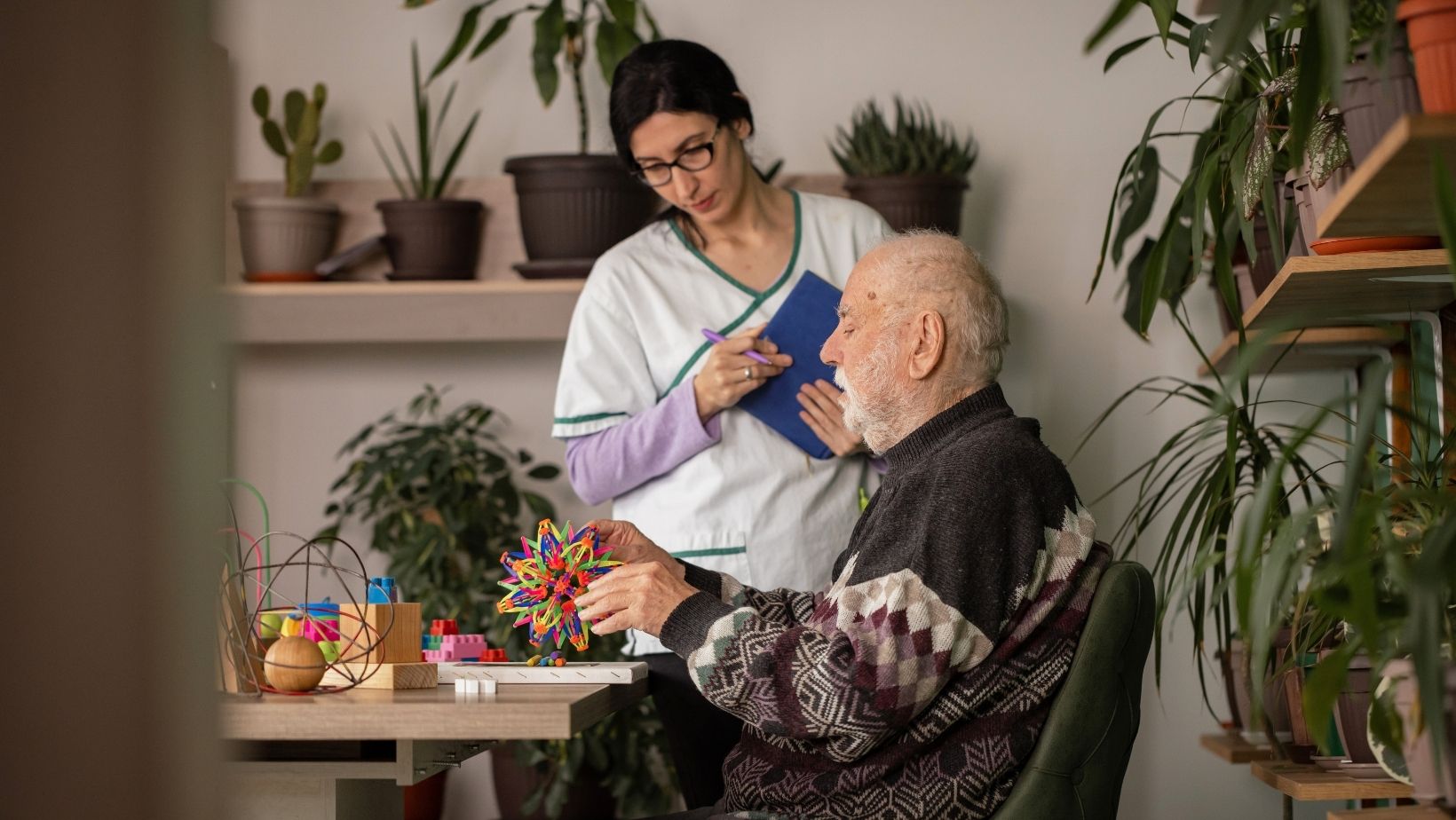
Individuals may struggle to complete familiar tasks, have trouble understanding visual images or spatial relationships, or experience confusion with time or place. Misplacing things and losing the ability to retrace steps, experiencing decreased or poor judgment, withdrawal from work or social activities, and changes in mood and personality are also indicative of early-stage dementia.
The Importance of Early Detection
Early detection of dementia plays a fundamental role in managing the condition. Gaining a diagnosis at an early stage can enable individuals and their families to make informed plans and decisions for the future, including healthcare, financial planning, and legal matters. Furthermore, early intervention can help slow the progression of symptoms through lifestyle changes, therapeutic interventions, and medications where applicable. While there is currently no cure for dementia, early management can significantly enhance the quality of life for those affected.
Living with Dementia
Living with dementia can be challenging, not just for the individuals diagnosed but also for their family and friends. As symptoms progress, everyday activities become increasingly difficult. Emotional support and understanding from loved ones play a significant role in ensuring a person with dementia remains as independent and active as possible. Community services, support groups, and professional care can provide valuable assistance in managing the practical aspects of living with dementia.
Seeking Help and Support
When a loved one shows signs of dementia, it’s essential to seek professional help. General practitioners can provide initial assessments and refer them to specialists for a comprehensive evaluation and diagnosis. Family members should familiarise themselves with the resources and support services available locally, including respite care, counselling, and specialised care facilities. Engaging with support networks can provide invaluable advice and comfort during a challenging time.