
A home workshop can turn out solid welds without an industrial budget. The trick is picking the right core equipment instead of buying every accessory on the shelf. Most hobbyists waste money on gear they rarely touch while skipping the items that actually protect them and improve their results.
This guide covers the equipment that matters most for anyone welding at home, from safety gear to maintenance tools. You will get a clear picture of what to prioritize and why each item earns its place in your shop.
Start With a Reliable Welding Helmet
Your helmet is the single most important piece of safety equipment in the shop. A poor-quality helmet can lead to arc eye, a painful corneal burn caused by UV exposure, and it can also slow you down with fogging or slow-reacting lenses.
Auto-darkening helmets have become the standard choice for home welders because they let you see your work clearly before you strike an arc. The lens only darkens once it detects the arc’s light, which means you are not lifting your hood constantly to check your position.
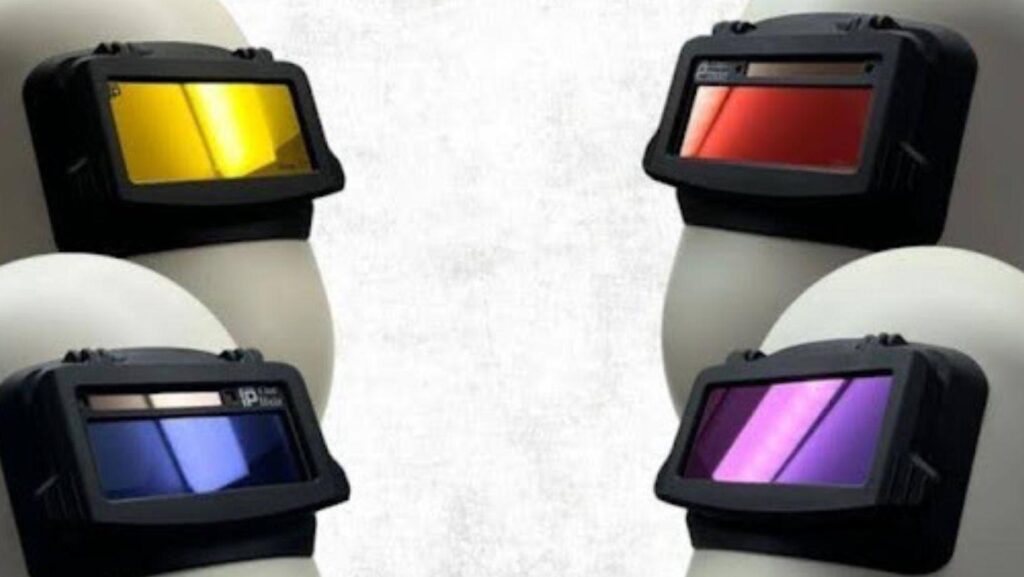
For welders who want their gear to hold up over years of regular use, Ridge Products Welding, available at https://ridgeproductswelding.com/, builds helmets designed around that kind of durability, including their well-known Sugar Scoop and Pipeliner styles. Their welding helmet collection covers a range of shade options for different processes, so you can match the lens to the job instead of settling for a generic setting.
Choose the Right Welding Lens for Your Process
The lens inside your helmet does more work than most beginners realize. Different lens colors and coatings change how you perceive the puddle, the arc, and the surrounding metal, and that perception affects your control.
Gold and cobalt blue lenses, for example, tend to sharpen contrast and reduce glare compared to a standard green lens. Silver lenses reflect more infrared and UV radiation away from your face, which can reduce fatigue during long sessions. Clear lenses matter too, since they let you grind and inspect your work without switching gear.
A shade-specific lens matched to your amperage and process protects your vision far better than a one-size-fits-all option. Thin sheet metal work usually calls for a lower shade, while heavy stick welding on thick material needs a higher one. Getting this wrong either leaves you straining to see or exposes your eyes to more radiation than necessary.
Lens Shade Matched to the Job
Keep a Rod Oven for Consistent Weld Quality
Rod ovens rarely make it onto a beginner’s shopping list, but they solve a problem that shows up again and again in home shops. Stick electrodes absorb moisture from the air, and that moisture causes porosity, cracking, and weak welds once you strike an arc.
A rod heater keeps your electrodes dry and at a stable temperature until you are ready to use them. This matters even more in humid climates or unheated garages, where rods can pick up moisture within hours of being opened. Storing rods properly extends their shelf life and protects the quality of every weld you lay down.
You do not need an industrial-sized unit for home use. A compact rod oven that holds a few pounds of electrodes is usually enough to keep your stock in good condition between projects.
Round Out Your Setup With Basic Protective Gear
Beyond the helmet and lens, a few other items round out a safe and functional home setup. These pieces are inexpensive relative to the protection they offer, and skipping them tends to catch up with welders eventually.
Good ventilation deserves a mention here too. Welding fumes build up quickly in an enclosed garage, so a fan or extraction system keeps the air breathable during longer sessions.
Set Up a Dedicated Welding Station
A cluttered garage corner will not give you the control or safety that consistent welding demands. Setting aside a dedicated station, even a small one, changes how efficiently and safely you work.
A steel welding table gives you a stable, heat-resistant surface that will not warp or catch fire like a wood workbench might. Clamps and magnets keep your workpieces steady during tack welds, which improves accuracy on every joint. Adding a work light near your station also helps you judge puddle color and catch mistakes early.
Maintain Your Equipment for Longer Life
Even the best welding gear degrades faster without basic maintenance. A helmet’s auto-darkening sensors can pick up dust and grime over time, which slows their reaction speed and puts your eyes at risk. Wiping the sensors and lens with a soft cloth after each session keeps them performing the way they should.
Rod ovens also need periodic checks. Verify that the thermostat holds a steady temperature, since a faulty heating element can leave your electrodes exposed to moisture without you realizing it. A machine that runs clean and cool will last considerably longer than one left to collect debris in a corner of the shop.
Build Your Kit With Intent
A well-equipped home workshop does not need every accessory on the market. It needs a dependable helmet, a lens matched to your process, a rod oven for consistent electrode quality, and the basic protective gear that keeps you safe over the long run.
Investing in fewer, better pieces of equipment pays off more than filling a shelf with gear you rarely use. Focus your budget on the items that touch every single weld you make, and the rest of your setup can grow as your projects demand it.