
If you’re getting ready for a trip and have heard about travel eSIMs, you might be wondering what happens to your regular SIM when you install one. Does it stop working? Do you need to take it out? Thankfully, it’s usually much simpler than you might think.
A travel eSIM gives you another way to connect to a mobile network while you’re abroad, without replacing your existing SIM. If you want to learn about eSIMs with Holafly, it’s worth understanding how the two SIMs can work together and what you can control from your phone’s settings.
The good news is that your regular SIM usually stays right where it is. You can often keep your normal number while using the travel eSIM for mobile data, giving you the flexibility to stay connected without changing everything on your phone.
Your Regular SIM Stays on Your Phone
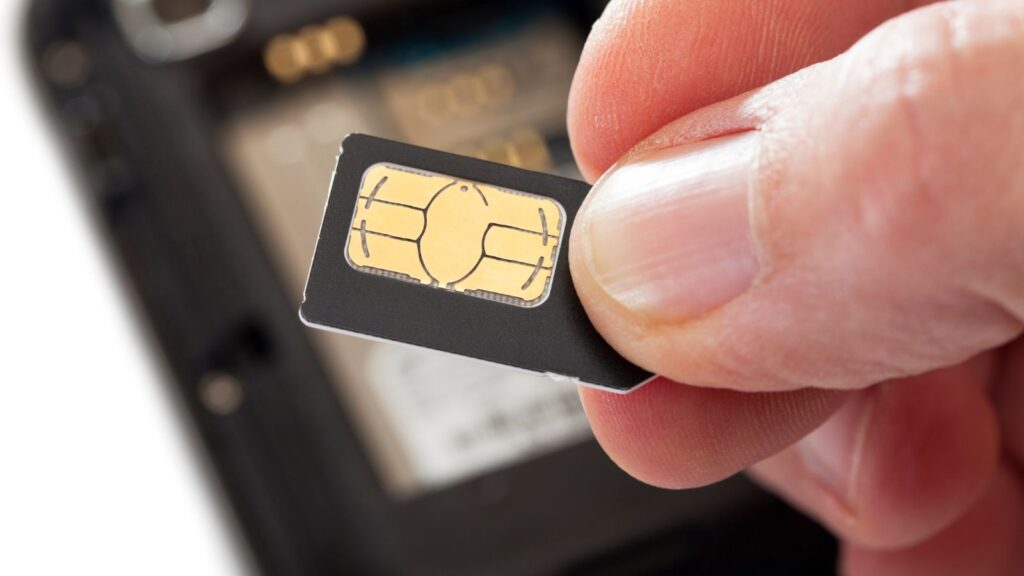
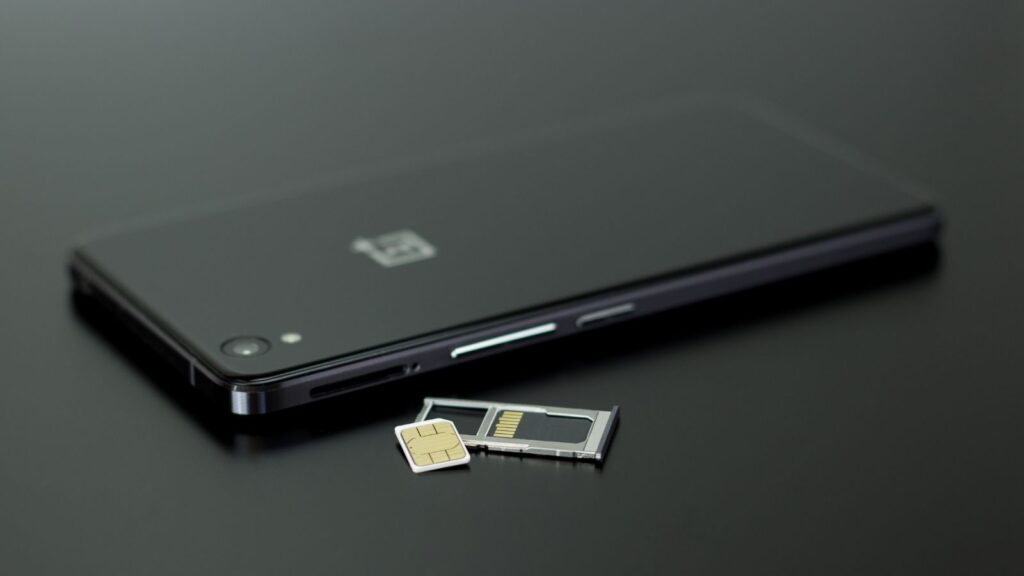
When you install a travel eSIM, you don’t have to worry about your regular SIM suddenly disappearing. If your phone has a physical SIM, it can stay exactly where it is. Installing an eSIM simply adds another mobile plan to your phone rather than removing the one you already have.
This is useful when you’re travelling because you can have both your regular SIM and travel eSIM available at the same time. Your normal SIM still holds your usual phone number, so there’s no need to give that up just because you’re adding a travel plan.
Of course, exactly how your phone handles both SIMs can vary between devices. Most newer phones make it easy to manage them in your settings, so you can choose which SIM you want to use for different things while you’re away.
You Can Choose Which SIM Does What
Having two SIMs on your phone might sound confusing, but it’s actually pretty straightforward. Your phone lets you decide which SIM you want to use for things like mobile data, calls, and messages. This means you can set up your travel eSIM to handle your internet while keeping your regular SIM available for other uses.
For most travellers, using the travel eSIM for mobile data makes the most sense. You can browse the internet, use maps, check emails, and stay in touch through apps without relying on your usual mobile data plan abroad.
You can also change these settings whenever you need to. If you want to use your regular SIM for a call or text, you can select it from your phone’s SIM settings. It’s a simple way to stay connected while having more control over how your phone works overseas.
What Happens to Your Number While You Travel?
Your regular phone number doesn’t disappear when you travel with an eSIM. As long as your usual SIM remains active, your number stays connected to it. You can continue using the same number you give to family, friends, and other important contacts.
The travel eSIM usually works separately, giving you a mobile data connection while you’re abroad. This means you can use things like maps, messaging apps, and websites without changing the number linked to your regular SIM.
Just remember that keeping your regular SIM active can sometimes lead to roaming charges, depending on your mobile provider and plan. Before you leave, it’s worth checking what your provider allows and adjusting your settings so you know exactly which SIM is being used for data, calls, and messages.
Conclusion
Installing a travel eSIM doesn’t mean you have to say goodbye to your regular SIM or phone number. In most cases, both can stay on your phone, giving you the freedom to decide how you want to stay connected while travelling.
For many people, the easiest option is to use the travel eSIM for mobile data while keeping their regular SIM available when needed. Just make sure you check your phone’s settings and your mobile provider’s roaming rules before you leave.
Once everything is set up, using an eSIM can be a simple way to stay connected abroad without changing your usual number or removing your regular SIM.