After a car accident, the first few hours can feel confusing and overwhelming. Even a minor crash can leave drivers shaken and unsure of what to do next. It’s easy to focus on the damage to the vehicle or the hurry to get home, but the actions taken right after the accident can have a big impact on health, insurance, and future claims for compensation.
That’s why it’s important to take a moment to think clearly and make practical choices step by step. The aftermath of a crash is not just about the collision itself. It also involves ensuring personal safety, recording what happened, and avoiding mistakes that could cause more problems later. Knowing what to do after a Henderson car accident can help make a tough situation feel more manageable.
Check for Injuries and Put Safety First
After any accident, your top priority must be safety. First, check for any injuries among drivers and passengers, and stay calm to understand the situation. Some injuries might be obvious, while others could be hidden by shock or adrenaline. If someone is seriously hurt, call for emergency help right away. Even if injuries don’t seem severe, be careful about moving after a crash.
Safety also includes being aware of your surroundings. A damaged vehicle in traffic, leaking fluids, broken glass, or poor visibility can all create more danger after the first impact. If it’s safe, move to a secure spot and turn on your hazard lights to help prevent another collision. In those first moments, keeping people safe is more important than figuring out who is at fault or assessing the damage.
Call the Police and Make Sure the Crash Is Reported
One of the most important steps in the hours after a crash is making sure law enforcement is contacted when appropriate. A police response can help create an official record of what happened, who was involved, and what conditions existed at the scene. That report may later become one of the first documents insurance companies review when evaluating the accident.
Even when a collision appears straightforward, having it formally documented can prevent confusion later. Drivers sometimes assume they can handle the matter privately, only to face disputes afterward about fault, damage, or injuries. A police report does not solve every issue, but it can provide a much stronger starting point than relying on memory alone.
Exchange Information Without Arguing About Fault
After a crash, drivers should share basic information to identify everyone involved. This usually includes names, contact details, driver’s license info, insurance details, and vehicle information. Staying calm during this time can help, especially when emotions are high after the crash.
Drivers should avoid arguing about who caused the crash. The roadside is not the right place to discuss fault, as facts may still be unclear. Angry exchanges, apologies made in stress, or guessing comments can create problems later. It is better to keep the conversation brief, respectful, and focused on sharing information.
Take Photos and Preserve What You Can
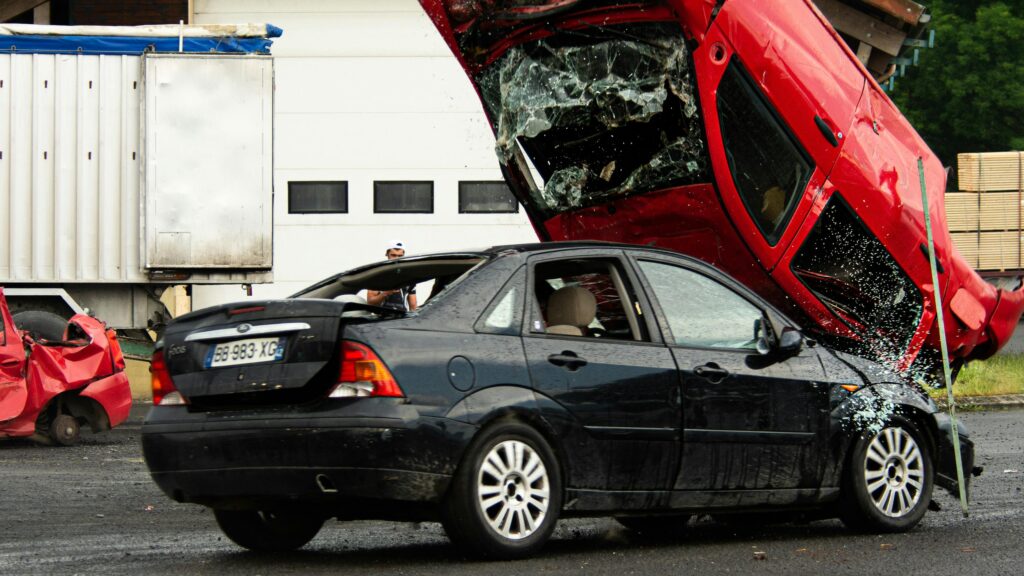
The time right after an accident is often the best time to save important details before they disappear. Take photos of vehicle damage, how the cars are positioned, skid marks, debris, traffic signs, road conditions, weather, and any visible injuries. These details may seem obvious at first but can be forgotten or lost quickly once the vehicles are moved and the area is cleared.
It’s also important to note anything else that could matter later, like the time of day, nearby businesses, traffic signals, and possible witnesses. If someone saw what happened, getting their name and contact information can be valuable. A crash scene changes quickly, so capturing as much information as possible in those early hours can be one of the smartest steps to take.
Get Medical Attention Even if Symptoms Seem Delayed
Many people think they can immediately judge their injuries after a crash, but this isn’t always possible. Symptoms like pain, stiffness, headaches, or dizziness can take hours to appear. Adrenaline can make someone feel fine even when they are hurt. That’s why it’s important to get medical help after an accident, even if you don’t think your injuries are serious at first.
Getting medical care early protects your health and creates a record linking your injury to the crash. If you wait too long, recovery might be harder, and insurance companies may question whether the accident caused your symptoms. It’s usually better to take possible injuries seriously right after a collision instead of assuming everything will get better on its own.
Be Careful When Speaking With Insurance Companies
Reporting the accident to the insurance company is usually necessary, but drivers should still be careful in how they communicate. It is best to stick to the basic facts and avoid guessing, exaggerating, or making unnecessary statements about injuries before the full situation is understood. A person may still be shaken, in pain, or missing important information in the hours right after the crash.
This is one reason many people eventually look into firms like Janda Law Firm after a serious accident, especially when questions about injuries, fault, or compensation start becoming more complicated. Early insurance conversations can shape the claim later, so caution matters even when the process seems routine at first.
Protect Yourself From Small Mistakes That Can Grow Later
After a car accident, people face many small decisions. These choices can have a bigger impact than they think. Not taking photos, delaying medical care, forgetting witness details, or speaking too casually about the event can lead to problems later. While these mistakes may seem minor at the time, they can weaken a person’s situation if there are disputes later on.
That’s why it’s best to approach the situation carefully. Focus on safety, gather information, get medical help promptly, and keep records. The main goal in those first few hours is not to fix everything at once. Instead, aim to protect your health, keep the facts clear, and avoid making the situation more complicated.
The First Few Hours Can Shape What Comes Next
A car accident in Henderson may last just a few seconds, but the hours after can have a lasting impact. The choices made during this time can affect medical recovery, how insurance is managed, and the strength of any future claims. While no one is fully prepared for an accident, knowing what to do can help reduce stress.
The key is to respond carefully rather than panic. Check for injuries, seek help, document the scene, and avoid making hurried statements. These actions can improve both immediate safety and future outcomes. The aftermath of an accident is challenging, but taking thoughtful steps in those early hours can protect your well-being later on.