
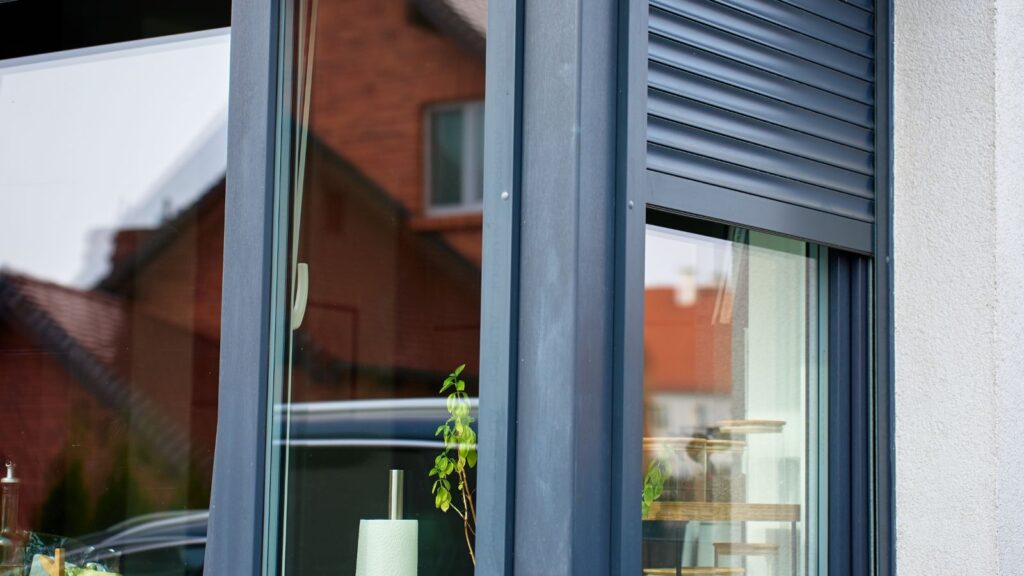
Summer is upon us, and we all dread the sweltering heat our homes can reach. Using curtains and blinds on windows is not enough to keep the sun at bay. Most window treatments absorb large amounts of heat throughout the day and then release it into your home. There are some window treatments that fare better than others at keeping your home cool, and many types of shutters fall into this category. With the correct choice of shutters, you can keep your home cool whilst not having to opt for a less bright, dingy look.
Why Material And Design Matter For Cooling
Not all shutters will perform equally well in all years; however, some will perform better than others. Solid material made from quality hardwood or high-quality MDF shutters offers the best thermal performance as the most solid barrier between the window frame and the glass. Furthermore, some products allow for adjustable airflow, which can aid in temperature control. For example, tier-on-tier window shutters offer a practical solution because they can be opened at the top while keeping the bottom closed, reducing direct sunlight while still allowing ventilation. This flexibility helps prevent heat build-up without making the room feel dark or enclosed.
Full-Height Shutters Vs Tier-On-Tier Options
Full-height shutters are a favourite of ours here at the studio and are perfect for adding a sleek edge to larger openings. Not only do they provide 100% blockage to the opening when required, but they are also able to filter in exactly the amount of air/sunlight you require by cleverly adjusting the louvres. Tier on tier shutters also have the advantage of allowing you to filter in as much or as little light as you require, as you can open the top tier separately from the lower tier. For example, you can close the top tier in the hot afternoons to block the sun, but open the lower tiers at the same time to allow cool air to enter. They are particularly useful during the summer months.
Do Louvres Help Reduce Heat?
Louvres play a key role in temperature regulation. Adjustable slats allow you to control how much sunlight enters the room while redirecting heat away from interior spaces. Louvers tilted upwards will reflect sunny light and allow soft diffused light to enter through the slats. Additionally, softening the edges of the louvers will help to reduce glare and bounce. Remember, shutters do not absorb heat like curtains, and you won’t have to wait for your house to release the gained heat.
Are Shutters Better Than Blinds For Summer?
Blinds can block light, but they often absorb and retain heat, especially darker fabrics. Shutters, on the other hand, create a physical barrier and allow airflow between slats. This combination makes them more efficient in managing indoor temperatures. They also tend to be more durable and require less seasonal adjustment compared to lighter window coverings.
Choosing shutters isn’t just about keeping cool for a few hot weeks—it’s about shaping how your home responds to light and temperature every day. The real value lies not only in comfort but in having control over your environment, even when the weather is at its most unpredictable.