
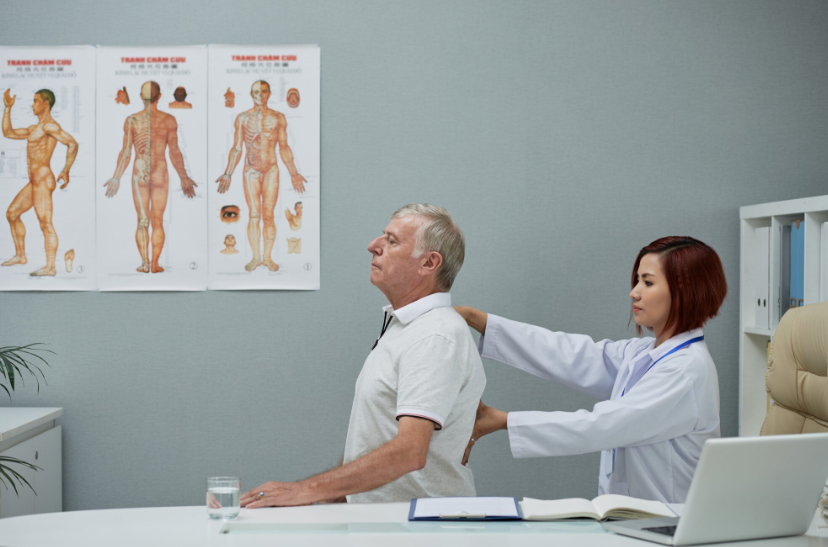
Healthcare environments are busy, physically demanding, and often stressful places to work. Doctors, nurses, caregivers, therapists, technicians, and support staff spend long hours moving, lifting, standing, walking, and completing repetitive tasks every day. Because of this, workplace comfort and safety are extremely important.
This is where ergonomics for healthcare settings plays a major role.
Ergonomics focuses on designing workplaces, equipment, and tasks to support the human body. In healthcare settings, this means creating safer, more comfortable environments that reduce strain, fatigue, and injuries while improving efficiency and patient care.
Healthcare workers often place the needs of patients before their own comfort, but ignoring workplace ergonomics can lead to long-term physical problems. Back pain, neck strain, shoulder injuries, fatigue, and repetitive stress injuries are common in healthcare jobs because of the physical nature of the work.
Good ergonomics helps reduce these problems by making daily tasks easier and safer to perform. It also supports better productivity, improved focus, and a healthier working environment overall.
As healthcare systems continue to grow and workloads increase, ergonomics has become more important than ever for both staff wellbeing and operational performance.
Understanding Ergonomics in Healthcare
Ergonomics is about fitting the workplace to the worker rather than forcing the worker to adjust to poor conditions. In healthcare settings, this includes furniture, equipment placement, patient handling methods, workstation design, and even the layout of rooms and facilities.
Healthcare workers often perform repetitive movements throughout the day. Nurses may spend hours moving patients, doctors may lean over examination tables for long periods, and administrative staff may sit at computer stations all day.
Without proper ergonomic support, these tasks can place stress on muscles and joints. Over time, this can lead to discomfort, pain, and injuries that affect both physical health and work performance.
Healthcare settings are unique because workers constantly move between different tasks. One moment may involve lifting equipment, while the next involves standing during procedures or sitting to complete documentation.
The Physical Demands of Healthcare Work
Healthcare workers often experience some of the highest rates of workplace strain and fatigue. The job can involve long shifts, physically demanding tasks, and high-pressure situations.
Lifting and repositioning patients is one of the biggest physical challenges in healthcare settings. Improper lifting techniques or a lack of support equipment can place serious pressure on the back, shoulders, and arms.
Standing for long hours is another common issue. Surgeons, nurses, and other medical professionals may spend most of their shifts on their feet, which can lead to leg pain, lower back discomfort, and fatigue.
How Ergonomics Improves Staff Safety
One of the biggest benefits of ergonomics in healthcare settings is improved workplace safety. When workers have access to properly designed equipment and workspaces, the risk of injury becomes lower.
Simple changes can make a huge difference. Adjustable chairs, height-adjustable beds, mobile lifting equipment, and supportive flooring can all help reduce physical strain during daily tasks.
Safe patient handling equipment is especially important. Moving patients manually can place enormous pressure on the body, particularly on the lower back. Mechanical lifting devices and transfer tools help reduce this risk while also improving patient safety.
Better Ergonomics Supports Better Patient Care
Ergonomics is not only about staff comfort. It also has a direct impact on patient care.
Healthcare workers who are physically exhausted or uncomfortable may struggle to maintain the same level of focus and energy throughout long shifts. Fatigue can affect concentration, communication, and overall performance.
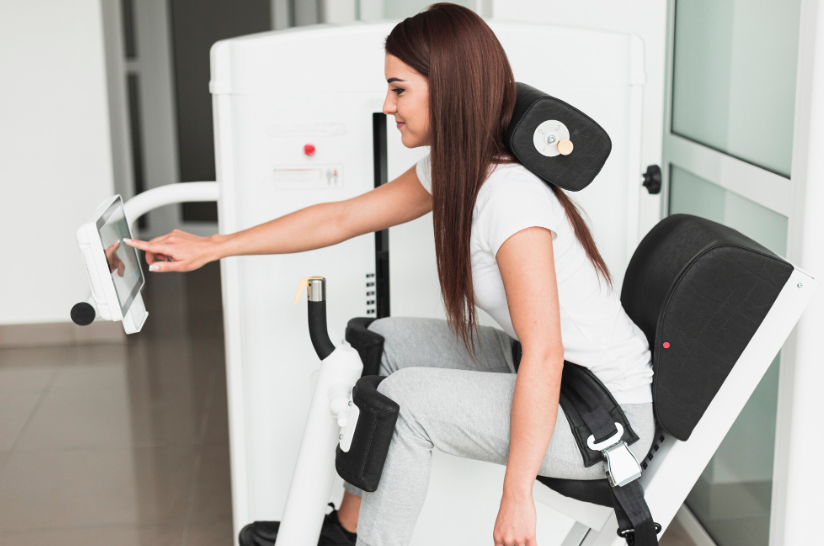
When staff are supported by ergonomic work environments, they are often able to work more efficiently and comfortably. This helps them stay focused on patient needs without being distracted by physical discomfort.
Safe patient handling methods also improve the patient experience. Proper lifting equipment and positioning tools help reduce discomfort and minimise the risk of accidents during transfers or movement.
Comfortable workspaces can also improve communication between healthcare professionals and patients. Workers who are less stressed and physically strained are often better able to provide calm and attentive care.
In healthcare, even small improvements in working conditions can positively affect both staff wellbeing and patient outcomes.
The Importance of Ergonomic Furniture and Equipment
Furniture and equipment play a major role in healthcare ergonomics. Workers spend many hours using desks, chairs, computers, treatment tables, and medical equipment, so these items must support comfort and proper posture.
Adjustable furniture is one of the most effective ergonomic solutions. Height-adjustable desks and workstations allow workers to position equipment in ways that reduce strain on the neck, shoulders, and back.
Supportive seating is also important, especially for administrative staff and healthcare workers who spend long periods completing documentation or computer tasks.
Medical equipment should also be positioned carefully. Frequently used items should be easy to reach without excessive bending or stretching.
Ergonomics and Mental Well-being
Physical discomfort often affects mental well-being as well. Workers who constantly deal with pain or fatigue may experience higher stress levels and reduced job satisfaction.
Healthcare environments are already emotionally demanding, so physical strain can add even more pressure to workers.
Comfortable and supportive workspaces help create a more positive environment. Employees who feel physically supported are often more motivated and engaged in their work.
Reducing workplace discomfort can also help lower frustration and burnout levels among healthcare professionals.
Good ergonomics shows employees that their well-being matters. This can improve morale, strengthen workplace culture, and support staff retention.
Technology and Modern Ergonomic Solutions
Technology is helping improve ergonomics in many healthcare settings. Modern equipment is often designed to reduce physical strain while improving efficiency.
Electronic patient lifting systems, adjustable workstations, mobile equipment carts, and advanced seating solutions are becoming more common in healthcare environments.
Digital systems can also reduce paperwork and repetitive tasks, helping lower physical strain related to documentation and administration.
As healthcare facilities continue modernising, ergonomic design is becoming a larger part of planning and workplace development.
The goal is not simply to improve comfort but to create safer and more efficient environments for both workers and patients.
Conclusion
Ergonomics plays an essential role in healthcare settings because it supports staff safety, comfort, efficiency, and overall well-being. Healthcare workers perform physically demanding tasks every day, and poor workplace design can lead to strain, fatigue, and long-term injuries.
By improving workstations, equipment, patient handling methods, and workplace design, healthcare organisations can create safer and healthier environments for their teams.
Good ergonomics also benefits patients by helping healthcare professionals work more comfortably and effectively throughout their shifts.
As healthcare demands continue to increase, the importance of ergonomics will continue to grow. Supporting the physical well-being of healthcare workers is not only important for staff health but also for maintaining high-quality patient care and safer healthcare environments overall.