
Addiction treatment is often discussed in terms of severity. People tend to focus on how long someone has been using substances, how much they consume, or how many consequences they have experienced. While those factors matter, they do not always predict who will make the strongest progress in treatment. Increasingly, clinicians recognize that recovery readiness may be one of the most important indicators of engagement, retention, and long-term success.
A person with a lengthy history of substance use who arrives motivated and willing to participate may achieve better outcomes than someone with a shorter history who feels pressured into treatment. Understanding readiness can help providers, families, and individuals make more informed decisions when seeking care.
Understanding Recovery Readiness
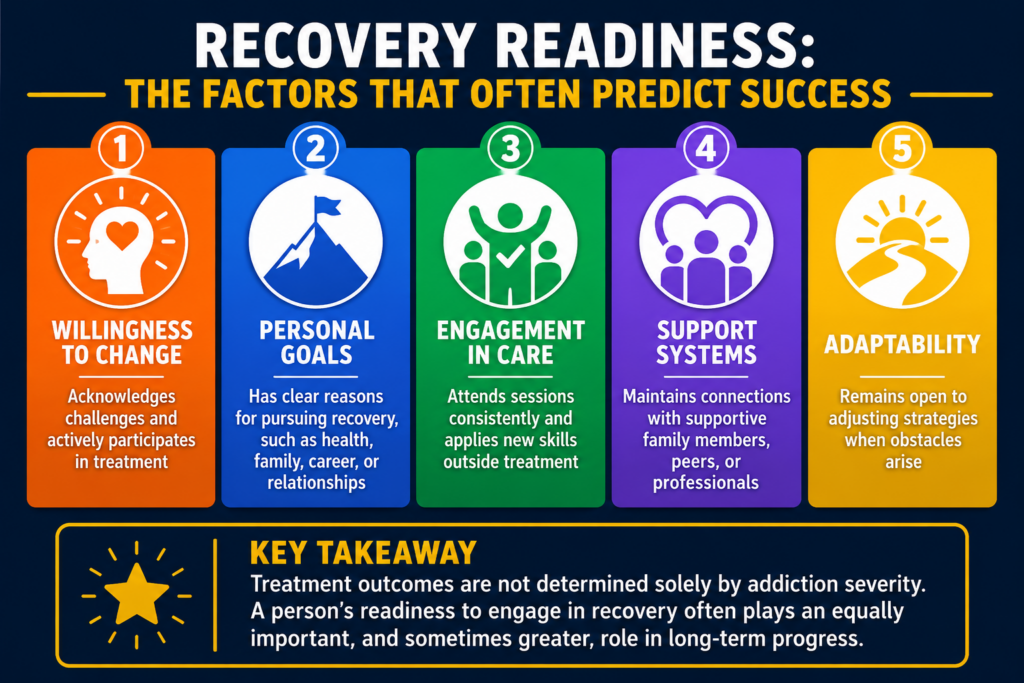
Recovery readiness refers to a person’s willingness to acknowledge challenges, participate in treatment, and make meaningful changes. It is not the same as motivation alone. Someone can feel motivated to stop using substances but still struggle with fear, denial, or uncertainty about the future.
Readiness exists on a spectrum. Some individuals enter treatment after years of contemplating change. Others arrive because of workplace concerns, family pressure, legal issues, or health complications. Effective treatment programs recognize these differences and tailor interventions accordingly.
Rather than viewing readiness as a fixed trait, many clinicians treat it as something that can be developed over time. Motivational interviewing, peer support, and individualized counseling often help people move from resistance toward active participation in recovery.
The Debate Around in person versus virtual treatment
The growth of telehealth has expanded access to addiction care, creating more choices for people seeking help. This has sparked ongoing discussions about in person versus virtual treatment and how each option affects engagement and outcomes.
For individuals who are highly motivated and have stable home environments, virtual treatment can provide flexibility and convenience. It allows participants to maintain work responsibilities, family obligations, and daily routines while receiving care. Others may benefit more from in-person services. Structured environments can reduce distractions and create stronger accountability. Face-to-face interactions with clinicians and peers may also foster deeper therapeutic relationships.
Recovery readiness often influences which model works best. Someone who is prepared to take ownership of daily recovery activities may thrive in a virtual setting. Another person who struggles with consistency or faces significant environmental triggers may benefit from the added structure of in-person care.
Why Severity Alone Can Be Misleading
The public often assumes that addiction severity should determine treatment recommendations. While severity assessments remain valuable clinical tools, they do not tell the whole story.
Two people with similar substance use histories can have very different treatment experiences. One may embrace counseling, participate in group discussions, complete assignments, and develop a recovery plan. The other may attend sessions but remain disengaged throughout the process.
Factors such as social support, mental health status, personal goals, and readiness for change frequently influence outcomes just as much as substance use patterns themselves. This perspective also helps reduce stigma. Recovery is not a competition based on who has experienced the most severe consequences. Effective treatment focuses on meeting people where they are and helping them build the skills needed for lasting change.
How Providers Can Assess Readiness More Effectively
Modern addiction treatment increasingly emphasizes comprehensive assessments that go beyond substance use history. Providers often evaluate motivation, coping skills, emotional health, support systems, employment stability, and personal goals.
Open-ended conversations frequently reveal important information that standardized questionnaires may miss. A person who expresses fear about losing relationships, improving physical health, or rebuilding trust with family members may demonstrate significant readiness for change even if they still have reservations about treatment.
Assessment should also continue throughout care. Readiness can increase as individuals experience small successes, develop confidence, and gain a clearer understanding of recovery. Treatment plans that adapt to these changes tend to be more responsive and effective. Families can play a role as well. Encouragement, healthy boundaries, and realistic expectations often help individuals stay engaged during difficult stages of treatment.
Finding Resources That Match Individual Needs
No single treatment approach works for everyone. The most effective programs consider a person’s goals, circumstances, and level of readiness when designing care plans. Whether someone chooses residential treatment, outpatient services, medication-assisted treatment, or telehealth options, alignment between the individual and the program remains essential.
People researching options should evaluate treatment philosophies, clinical services, staff credentials, and levels of support. They can also learn more on rehab websites like RiseAndRenewRecovery.com, thebesttreatment.com or sanctuarybb.com when comparing available resources and exploring different approaches to care.
Addiction severity remains an important clinical consideration, but readiness for change often has a greater impact on treatment engagement and long-term progress. When providers assess both factors together, they can create more personalized treatment plans that help individuals move forward with confidence and purpose.