
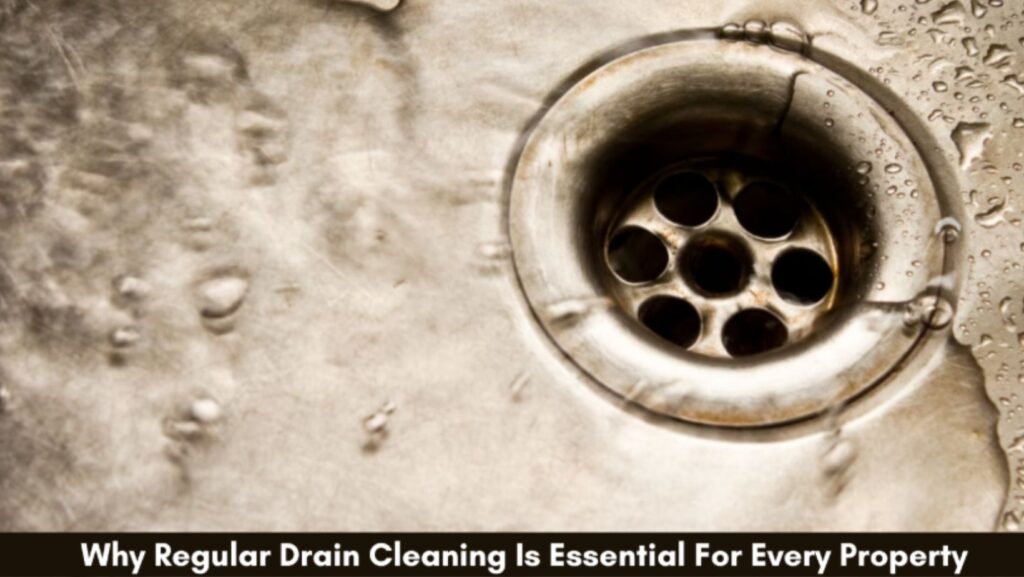
Drains are key in ensuring your wastewater moves out of your home, as grease, hair, soap scum, food particles, and other debris sneak up and slow down that movement. When that occurs, you get repeated slow drains, foul odors, and even backups, all of which interfere with everyday activities and complicate normal routines. These are warning signs that tend to manifest slowly and lead to the development of limitations within your plumbing system.
As opposed to letting such problems accumulate over time, professional drain cleaning eliminates the accumulation before it develops into a severe clog. Not only does this put the right flow back and eliminate drain smells, but it also makes the plumbing system in the house healthier and more reliable in general. By addressing the issues beforehand and keeping the drains clear, you are able to save on a sloppy backup and save on time and stress in the future.
The following are some of the reasons why regular drain cleaning is significant in the maintenance of your property.
1. Removal of Hidden Pipe Buildup
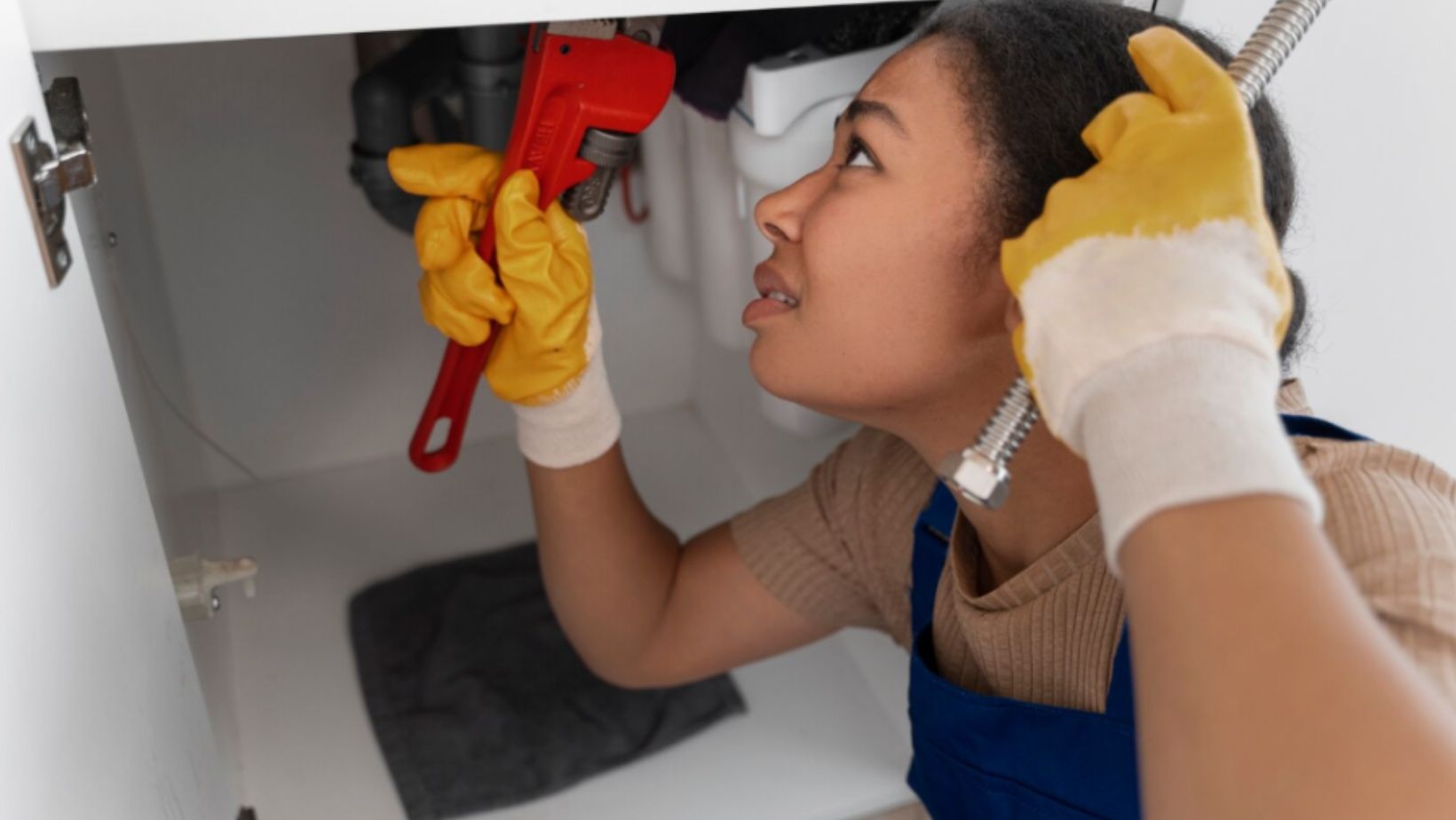
Among the reasons why a drain cleaning should be planned is to eliminate the layer that develops gradually along the wall of the pipes and limits the flow of wastewater. Whenever you use a fixture, a small portion of grease, soil scum, minerals, hair, and debris flows into the drain system. Although some of these pass through, some get stuck inside the pipes.
In the long run, these materials become solid and form thick layers, which reduce the space through which water passes. This limitation reduces the flow of water, and the formation of clogs becomes easier. Since it builds up behind the scenes, you might not realize the issue until performance begins to decline. Routine cleaning of such interior deposits eliminates such deposits and restores the pipe size, enhancing the capacity to push fluid through the system.
Moreover, eliminating buildup at early stages helps ensure that layers do not bond tightly to the surfaces of the pipes. This helps in future maintenance, simplifying it and assisting in ensuring a more uniform performance of the drainage in the long run.
2. Prevention of Pipe Damage
Clogs do not just block water. They also build up the internal pressure within the plumbing lines. In case wastewater is not free to move, it exerts pressure on pipe walls, joints, and seals. This additional pressure can cause weak connections and increase the chances of cracking or leakage.
With older systems, pressure can actually increase the existing wear, whereas with newer systems, it can reduce the life of the components. Moreover, the problem of sudden failure of pipes occurs due to the consequence of long-term strain. Regular maintenance decreases the accumulation of pressure because it involves the clearance of lines, thereby keeping the pipes intact and preventing the occurrence of structural damage.
Additionally, reduced internal stress helps to achieve more stable joints as well as minimize movement in fittings, while helping to prevent gradual wear-related problems in the plumbing network.
3. Reduction of Foul Odors
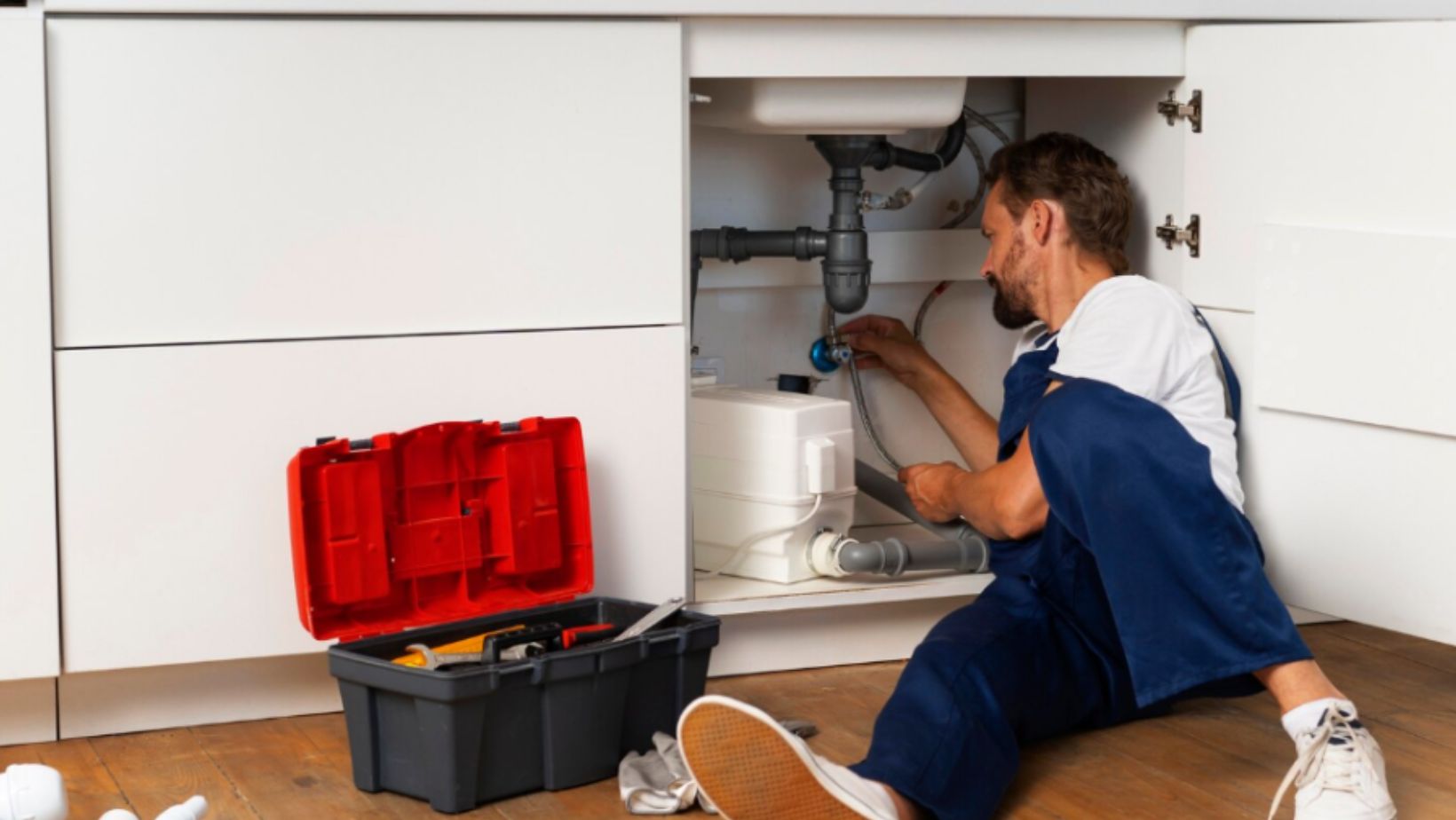
Foul odors in the drains are normally due to the organic material stuck in the pipes. The plumbing system is wet, and thus, food waste, grease, soap leftovers, and other debris can subsequently decompose. When this breakdown takes place, gases are formed and pass back through drain openings.
Cleaning the surface is not the solution when the source is deep within the line. Elimination of internal accumulation gets rid of the habitat in which odor-producing bacteria multiply. This results in cleaner air in the kitchens, bathrooms, and utility space and enhances the overall comfort of the indoors.
Regular maintenance also minimizes the repetitive odor patterns, which make the indoor space cleaner and more comfortable without the need for temporary odor-masking solutions.
4. Lower Risk of Backups and Overflows
The major cause of wastewater backups is blocked drains. Once the pipes are partially or completely blocked, water cannot move out of them effectively and can recede through sinks, tubs, or floor drains. Such incidents may destroy surfaces, cause sanitation issues, and interrupt normal activities.
Regular cleaning removes obstructions before they develop into full blockages. Clear pipes allow wastewater to move in the intended direction without resistance. This is especially important in properties with multiple occupants or high water usage, where large volumes of wastewater pass through the system daily. In addition, seasonal changes, such as heavier water use or temperature shifts, can worsen minor clogs.
Routine maintenance helps keep drainage pathways open, reducing the chance that sudden demand overwhelms the system and causes messy, disruptive overflows inside the property.
5. Protection Against Pest Activity
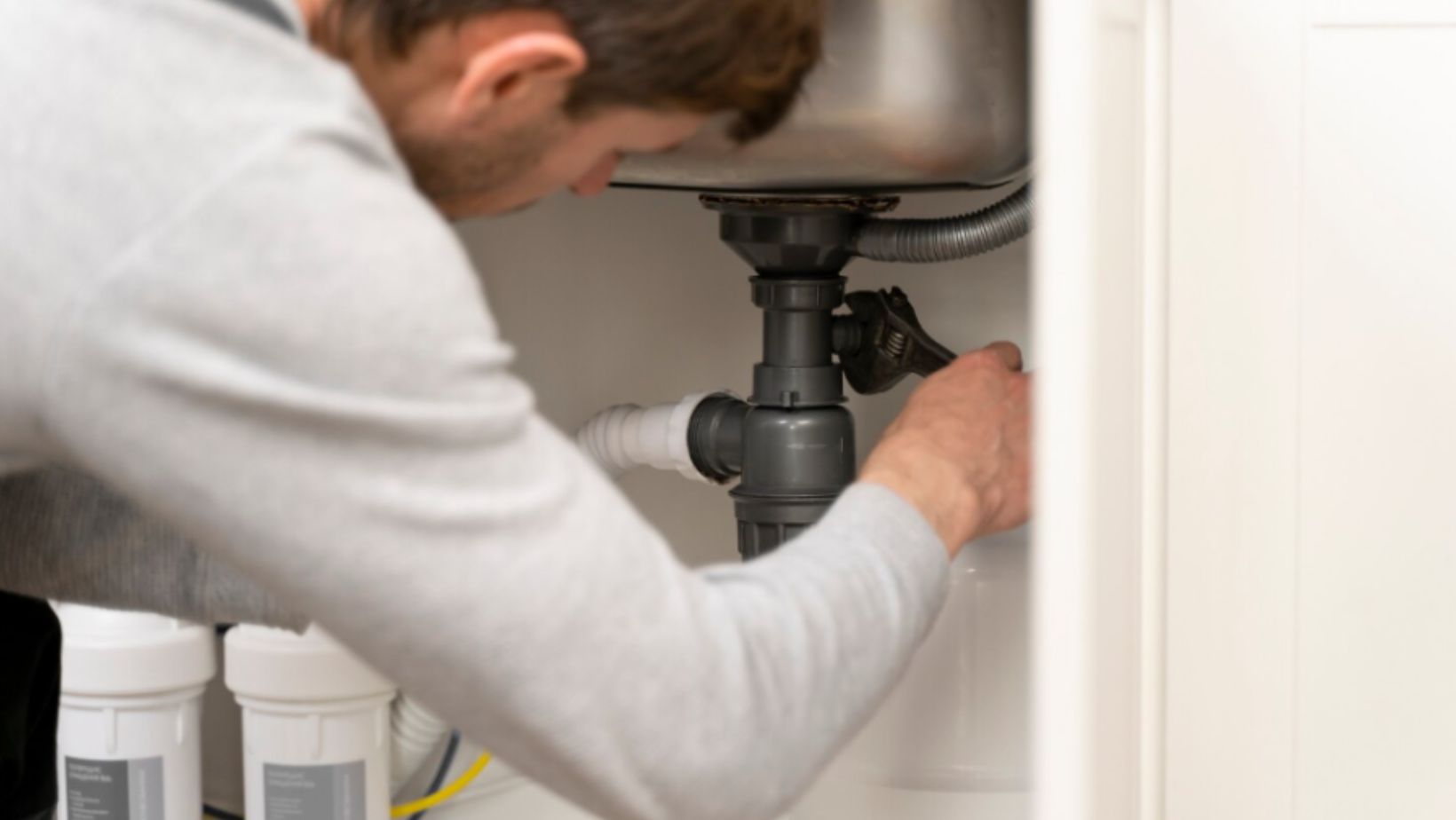
Organic buildup inside drains creates an environment that attracts insects and other pests. Drain flies, for instance, lay eggs in the slimy residue that forms on neglected pipe walls. Other pests may also be drawn to moisture and food sources found in clogged drains.
Eliminating the buildup removes the conditions that allow these pests to survive and reproduce. Maintaining clean drainage lines supports better hygiene and reduces pest-related problems within kitchens, bathrooms, and other plumbing areas. Furthermore, pest activity in drains can spread bacteria and worsen indoor sanitation concerns. Once insects establish breeding grounds, they can be difficult to control without addressing the source inside the pipes. Regular maintenance limits these hidden habitats and supports a cleaner, healthier indoor environment overall.
6. Support for Long-Term Plumbing Efficiency
A plumbing system operates most effectively when water and waste move smoothly without restriction. Even partial clogs reduce efficiency. They cause slow drains, gurgling sounds, and inconsistent performance. These issues show that the system is working harder than it should. Over time, this extra workload can affect multiple fixtures at once. Everyday tasks may become less convenient. These changes signal that internal flow conditions need attention.
Routine maintenance restores normal flow conditions and helps sinks, showers, and appliances function properly. Efficient drainage also reduces strain on pipes and other components. This supports a longer system lifespan and more reliable performance over time.
Improved flow also helps maintain balanced pressure throughout the plumbing network. This benefits connected fixtures and appliances. When wastewater moves as designed, the system experiences less wear. Performance stays more consistent. The likelihood of gradual efficiency loss also becomes lower, helping plumbing operations remain steady and dependable.
Bottomline
Drain systems handle a steady flow of wastewater every day, which exposes them to grease, debris, soap residue, and organic waste. Over time, this material settles along pipe walls and gradually forms a buildup that restricts flow. Without routine care, these restrictions lead to clogs, unpleasant odors, added pipe strain, and a higher risk of leaks or damage.
Regular cleaning removes hidden deposits, restores proper drainage capacity, and reduces pressure within the system. It also helps limit odor formation, lowers the chances of backups, discourages pest activity, and supports consistent plumbing performance.
Keeping pipes clear protects your property and promotes long-term system reliability.