

As anyone who takes care of cell-based research knows, it can be quite sensitive. The outcome is easily affected by small changes in preparation, handling, or environment. In actual practice, while protocols may appear to be the same, outcomes may differ.
In most cases, the majority of tissue culture variations are not the result of any single error. Instead, it develops over a period of time through small deviations in media preparation, reagents, sterility, and incubation conditions. These small gaps can make a big difference in the success of an experiment.
This article explains seven factors that affect tissue culture research success and how this can be controlled by selecting workflow and consistent research materials.
Factor 1: Media Composition Stability
In tissue culture, the composition of the media determines the base conditions of each experimental set. It controls nutrient transfer, pH balance, and metabolic balance. If the formulation is inconsistent, cellular behavior becomes unpredictable from the start.
While the protocols are the same, you may see distinct results. This is frequently caused by a difference in either glucose or amino acid balances, or buffering systems. These minor differences have a direct impact on growth rates and stress response in the cells.
The cell type used also dictates the cultivation medium that should be used. Nutrient environments have different effects on adherent cells, suspension cultures, and primary cells. Selecting the correct formulation is essential for stable results.
Factor 2: Cell Line Authenticity Control
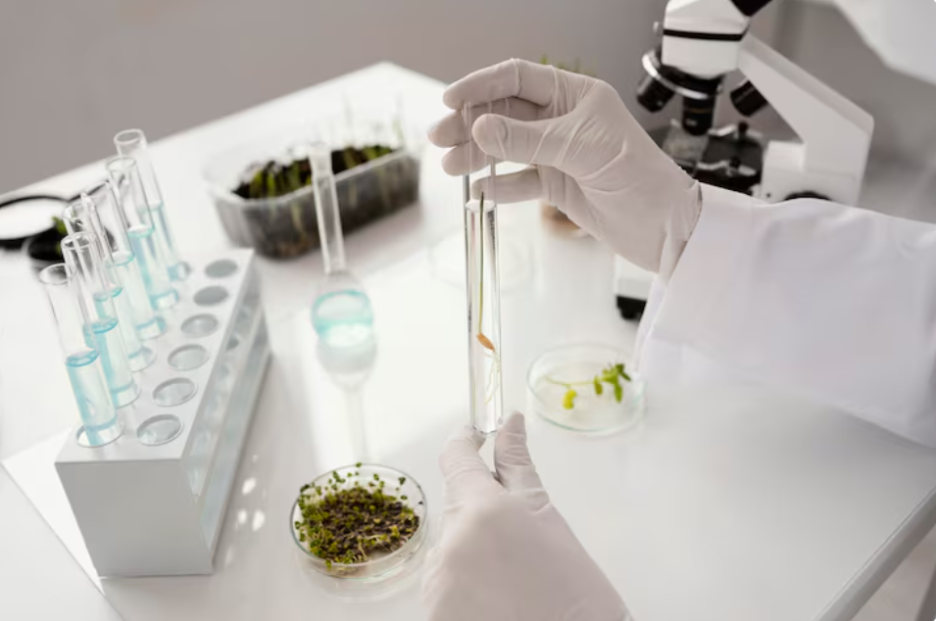
The biological direction your experiment will take will depend on your cell line choice. Each cell line behaves differently based on origin, mutation profile, and growth characteristics. If the model is not relevant to the objective, then the results are irrelevant.
Problems frequently occur in practice when the cell line is reused without testing. As time passes, genetic drift or cross-contamination may alter cell behavior even under a constant environment. These changes are often unnoticed on a normal basis but can have a great impact on experimental results.
Proper authentication and documentation are required to ensure experimental accuracy. Verified sourcing and periodic validation will help to keep your model system consistent for experiments. This also helps lessen the long-term variation between independent study sets.
Factor 3: Sterility Maintenance Discipline
One of the most disturbing hazards in tissue culture is contamination. It does not always appear immediately. In many cases, it slowly alters cell behavior before visible signs are detected.
Mycoplasma contamination is more problematic than bacterial or fungal contamination, especially since it is more difficult to identify. It can silently affect metabolism and gene expression, leading to misleading results. The inability to be detected by turbidity can allow it to be present over several passages without being noticed.
To maintain sterility, it is essential to maintain workflow discipline. This involves the handling of chemicals, sterile technique, cleaning schedules, and screening for contamination. Any mistake could have a ripple effect on several experiments.
Factor 4: Reagent Quality Consistency

Reagents directly influence how cells respond during culture. This includes enzymes, buffers throughout the workflow, supplements, and serum. There will also be variation in the experimental results if the quality is different.
One of the most frequent problems is batch-to-batch variations. Serum and dissociation enzymes tend to vary in their characteristics lot-to-lot, and this has an effect on cell attachment, viability, and growth behavior.
Reagent uniformity should be reached by standardizing the supply of reagents and testing new reagent lots before employing them at a large scale. This will keep the experimental conditions from changing in long-term studies.
Factor 5: Incubation Condition Stability
Incubation conditions control the physical environment of your culture system. Temperature and CO2 levels must remain stable to ensure predictable cell behavior. Consistency in these parameters is essential because cells respond quickly to even minor environmental shifts.
Even small temperature fluctuations can affect enzyme activity and cellular metabolism. Over time, this leads to changes in growth rate and experimental variability. These effects often accumulate gradually, making it harder to identify the root cause of inconsistency.
CO2 balance is equally important because it regulates pH in buffered systems. If CO2 levels drift, media acidity changes, which directly impacts cell health and morphology. This can result in subtle stress responses that compromise long-term culture stability.
Factor 6: Passage Number Control

Each passage introduces gradual changes in cell behavior. Over time, repeated passaging can lead to genetic drift and altered cellular responses. These shifts are often subtle at first, but they steadily compound with continued subculturing.
If passage history is not tracked carefully, you may end up working with cells that no longer represent the original biological model. This reduces reproducibility and weakens experimental reliability.
A structured system using master and working cell banks helps maintain consistency. Returning to early passage stocks ensures that your experiments remain biologically stable. This practice also helps standardize long-term projects where consistency across time points is critical.
Factor 7: Workflow Consistency and Handling
Even when all materials are correct, variation in technique can still affect results. Small differences in timing, pipetting, or handling sequence can influence cell behavior. Over time, these small inconsistencies accumulate and create measurable differences in growth patterns and experimental outcomes.
Inconsistent workflow is one of the most overlooked causes of variability in tissue culture experiments. It often becomes visible only when results fail to replicate across experiments or operators.
Standardized procedures reduce this risk. When every step is performed consistently—from media preparation to cell seeding—you reduce unnecessary variation and improve reproducibility.
Conclusion
Tissue culture success depends on how consistently you control all seven factors. Media stability, cell line authenticity, sterility, reagent quality, incubation conditions, passage control, and workflow discipline all work together to shape outcomes.
If you want reliable and reproducible results, focus on controlling variability before it enters your system. Stability in materials and process is what ultimately defines success in tissue culture research.