

Heating costs are often overlooked, yet they are one of the important aspects of homeowning. As cold weather approaches, most households get caught between an increase in energy costs and the necessity to remain comfortable.
Cancelling service appointments or postponing repairs may appear to be an easy solution to monitor expenses, but such actions usually lead to costly imbalances in heating, sudden failures, and higher outlays in the future.
This frustration is normally caused by the lack of knowledge about where savings can be made without compromising performance. Fortunately, it is not necessary to reduce heating expenses at the cost of comfort and reliability.
By implementing smart planning, preventive maintenance, and efficiency-oriented decisions, homeowners can manage expenses effectively while keeping systems in a reliable state. Moreover, by being educated on the processes by which heating systems become inefficient and identifying the areas where energy inefficiencies occur, homeowners can cut costs confidently.
This article discusses effective and evidence-based practices that can assist homeowners in saving and spending less on heating without reducing comfort or system quality.
1. Maintenance Planning Strategy
One of the most suitable methods of controlling the heating expenses in the long run is through routine maintenance. Frequent checks allow the technicians to identify airflow issues and calibration errors before they become costly repairs or unexpected system failures.
Moreover, a properly maintained system performs near its historically stated efficiency, which directly reduces the energy use in day-to-day operation. Professional heating services play a critical role in this process by ensuring filters remain clean, burners operate safely, and heat exchangers transfer warmth efficiently.
A study on residential HVAC performance found that systems receiving annual maintenance used noticeably less energy and experienced fewer emergency failures. As a result, preventive care protects comfort while stabilizing heating expenses across the season.
2. Energy Efficiency Upgrade Choices
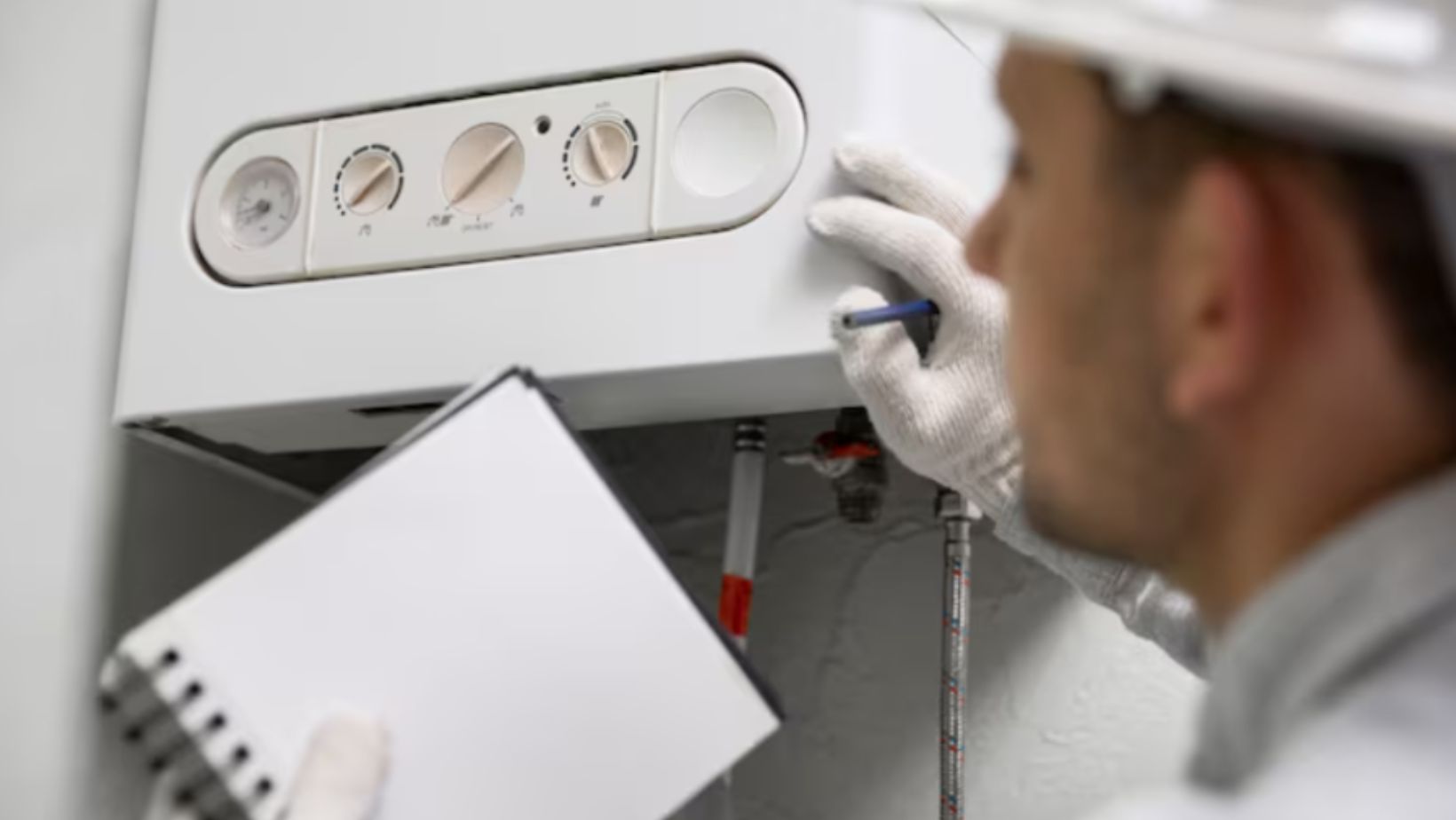
The process of upgrading some parts can provide greater savings in comparison to changing the entire heating system. Online thermostats, efficient blowers, and better duct sealing optimize heat distribution without requiring major structural modifications to the home.
These are specific improvements that make the systems achieve the desired temperatures more quickly. Even minor improvements can significantly enhance system efficiency and comfort.
Adaptive thermostats and modern circulation devices automatically adjust to daily patterns, preventing overheating and energy waste. These efficiency-focused upgrades preserve indoor comfort while lowering monthly heating bills.
By investing in these targeted improvements, homeowners can achieve long-term savings without the disruption or cost of full system replacement.
3. Seasonal Timing Benefits
The timing of maintenance and upgrades is significant in the total heating cost. Early service booking will usually secure better availability and reduced labor costs as compared to booking after the busy winter season.
More significantly, early preparation saves the danger of emergency failure in extreme cold, when the repair is usually more expensive. A study on residential energy management found that proactive seasonal maintenance significantly reduced winter heating system failures.
Homes that are prepared early show more consistent indoor temperatures throughout the heating season. Planning, therefore, supports both financial stability and reliable comfort when heating demand is highest.
4. Home Insulation Improvements
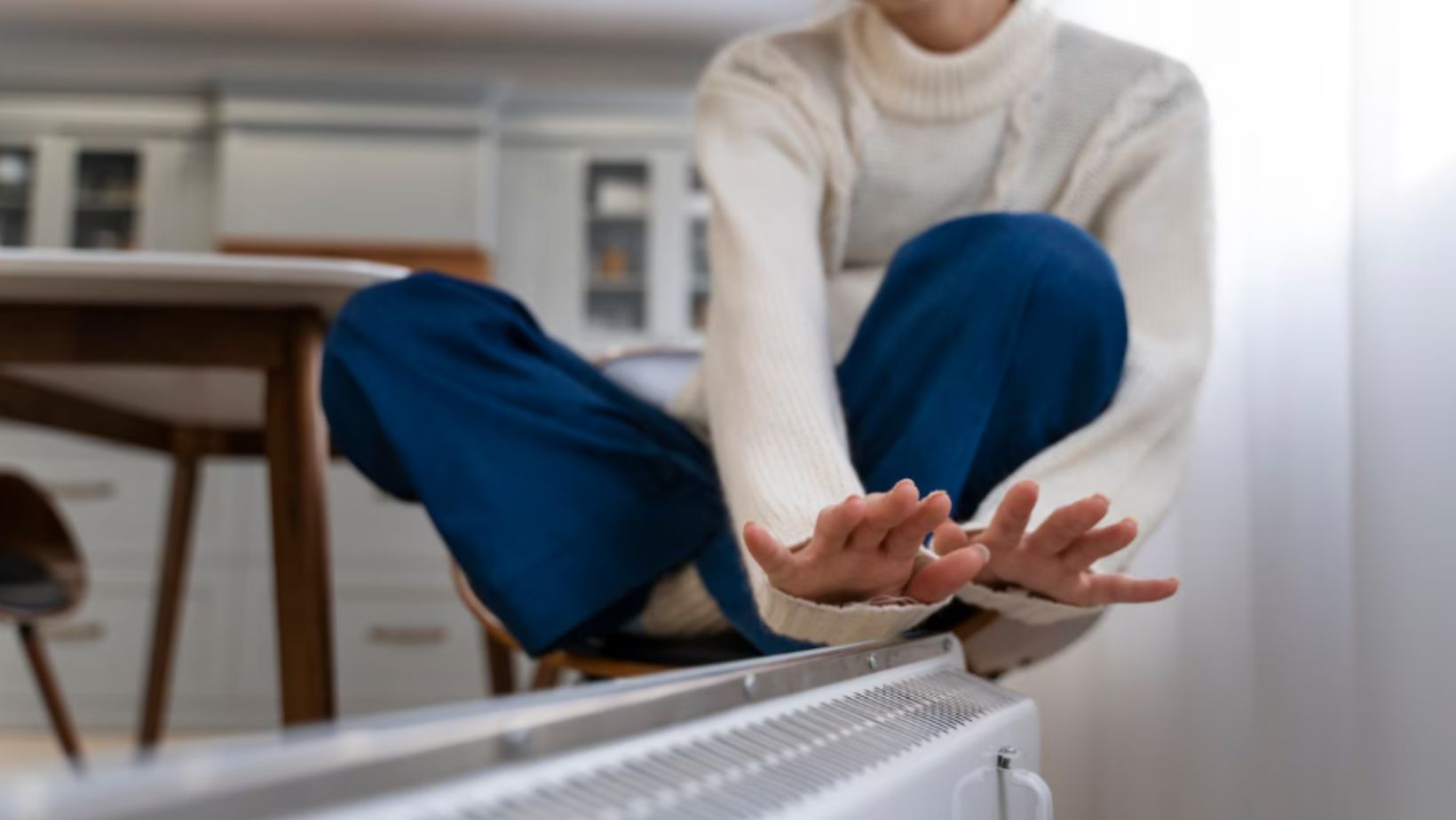
Even the most efficient heating system struggles when heat escapes through poorly insulated spaces. Sealing air leaks around doors, windows, and attics prevents warm air from escaping and cold drafts from entering.
These improvements reduce the workload on heating equipment and help maintain steady indoor temperatures. Simple steps like weatherstripping doors or adding draft blockers can make an immediate difference in energy efficiency.
With more effective heat retention throughout the home, heating systems run less frequently and experience reduced strain. As a result, insulation upgrades will increase equipment life, improve comfort, and reduce energy expenses without necessitating significant alterations.
Insulating also provides a uniform indoor climate, trimming down the hotspots and cold spots in the entire house.
5. Provider Comparison Tactics
The service provider selection influences the short-term costs and the durability of the system. Homeowners have the advantage of comparing service plans, maintenance coverage, and diagnostic practices instead of looking at the lowest initial price.
Last-minute costs are normally avoided by transparent pricing and comprehensive inspections. Moreover, structured maintenance plans reduce total ownership costs over time.
Providers who prioritize efficiency testing and system optimization help homeowners avoid repeat issues and energy waste. A close, careful comparison guarantees that spending promotes reliability, efficiency, and uniform comfort instead of short-term savings.
6. Behavioral Heating Adjustments
Even minor and deliberate adjustments to the manner in which you control your heating can bring tangible results. Moreover, adjusting thermostat settings when rooms are unused and lowering temperatures slightly at night can reduce energy use without sacrificing comfort.
A reduction by one or two degrees during the peak hours can cut down on the monthly heating bills by a lot. Moreover, indoor heat can be optimized via a combination of behavioral changes with natural options like opening blinds during sunny days or closing them at night to reduce system operation.
These basic housekeeping measures enable a homeowner to keep living in a comfortable climate, achieving the maximum performance of the current heating devices, upgrades, and maintenance.
Conclusion
There is no necessity to sacrifice comfort and the dependability of systems to conserve heat. Efficiency upgrades, preventive maintenance, planning seasonally, insulation, informed provider selection, etc., help to achieve decreased costs and improved performance. All strategies save energy without damaging the system in the long run.
The most effective approach focuses on prevention and informed decision-making rather than delayed repairs. Using these practical steps, you can control the costs incurred by heating, keep the house comfortable, and be assured that your heating system will last longer.