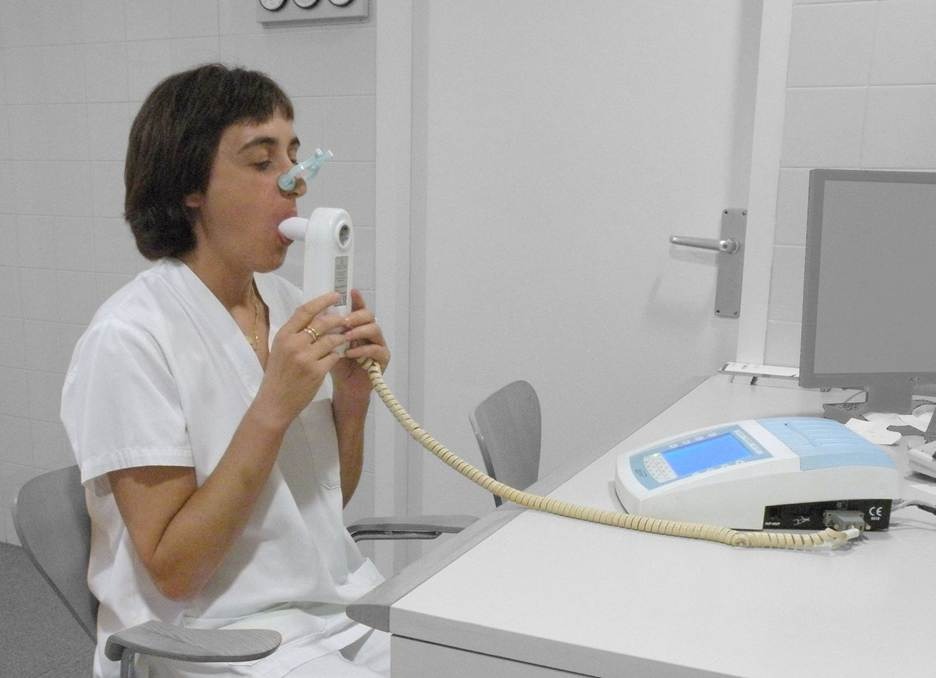
Respiratory evaluation is important because it determines whether a patient has a good lung capacity and provides a snapshot of their overall pulmonary health. It shows the amount of air the lungs can hold and how fast one can breathe air. See more about these kinds of assessments when you go to this webpage.
Specifically, tests like spirometry measure the forced vital capacity of the lungs, which provides data about the total amount of air that can be forcefully blown after taking a deep breath and the forced expiratory volume.
The resulting numbers are going to help detect conditions like asthma or something worse, like chronic obstructive pulmonary disease. This way, clinicians can evaluate the effectiveness of a treatment that a patient currently has.
Many doctors rely on the results of spirometry to see if their patient has a breathing-related disorder, as early detection can often reduce the risks of further complications. They can also track the disease’s progression over time and identify if there are subtle changes that need addressing.
What are the Tools Used in the Process?
There is a lot of equipment that’s often utilized for spirometry, but one that stands out is the Spirolyser Q13 spirometry device, which measures critical parameters to diagnose various conditions. These often have Medical Class certification to ensure efficacy, and they are IEC 60601-1 compliant as medical electric equipment.
No calibration requirements are needed, and many providers can have these devices ready for patient testing at any time. The ejection system is innovative, as it uses sensors to speed up testing. The device itself has compact dimensions, so it can perfectly fit into a clinic. It’s also flexible for easier storage. With the single-use sensors, it’s going to remove the need for time-intensive disinfection, and this is going to help with better patient safety.
What are the Features of These Spirometers?
They’re Designed to Be Accurate
Each test should be very accurate for proper diagnosis, and the modern equipment uses advanced technology for more precise readings. This ensures consistency in performance, and the Fleisch type pneumotachograph design can help with the overall quality of the reports.
High-performance devices are able to measure various respiratory parameters, such as maximum voluntary ventilation, which lets clinicians know about the respiratory endurance of the lungs. The numbers are going to help reduce the need for retesting, and the reports generated have a PDF export capability that can enhance a patient’s confidence with the results. The digital resolution can also improve precision because these tools have comprehensive diagnostic capabilities that can accurately pinpoint certain lung conditions.
This Can Enhance Patient Safety
Clinics have very strict standards when it comes to cleanliness, and this is a must when a device is often repeatedly used by many people throughout the day. Fortunately, modern spirometry solutions are able to incorporate the single-use components that support infection control.
With sensors that are only used once, this is going to eliminate disinfection once and for all. Many healthcare centers are now able to cater to a lot of patients and do multiple tests without delays, and each one of them is often screened more efficiently.
Everyone can benefit from the streamlined workflow in these kinds of environments, as the devices’ preparation time is minimized. Patient throughput (https://www.investopedia.com/terms/t/throughput.asp) can be improved significantly, and the advanced equipment eliminates the need for calibrations, so testing can begin almost immediately.
A user-friendly interface, along with software that assists with result interpretation, can make each visit faster. These features can reduce human errors, and they can improve diagnostic efficiency.
The Testing Capabilities Will Be More Comprehensive
Without needing multiple devices, these kinds of tests offer a more streamlined approach where the clinicians only need to deal with a single unit to get the results that they need. The best tools are capable of performing the needed respiratory assessment without additional equipment, and there’s another feature that many would like.
Many might find post-medication testing to be valuable because the lung function of a patient can be measured after the treatment. This is going to tell them whether the prescription drugs have improved breathing in the first place, and this is going to help achieve better patient outcomes.
Comprehensive tests can also benefit those who are working near smoke. Employers are often required to undergo employee assessments for those who are exposed to a lot of chemicals and other environmental hazards. With the help of early detection, it can often support workplace safety in the best way possible.
User-Friendly Software that Has Digital Integration

Nowadays, advanced spirometry often generates quick results where the data is accompanied by interpretation tools. Visual graphs allow clinicians to see what’s going on, and the secure databases are going to help store patient information for long-term monitoring. The healthcare professionals will be able to review their past medical history and see trends over time, which can improve proactive treatment for those with severe cases.