
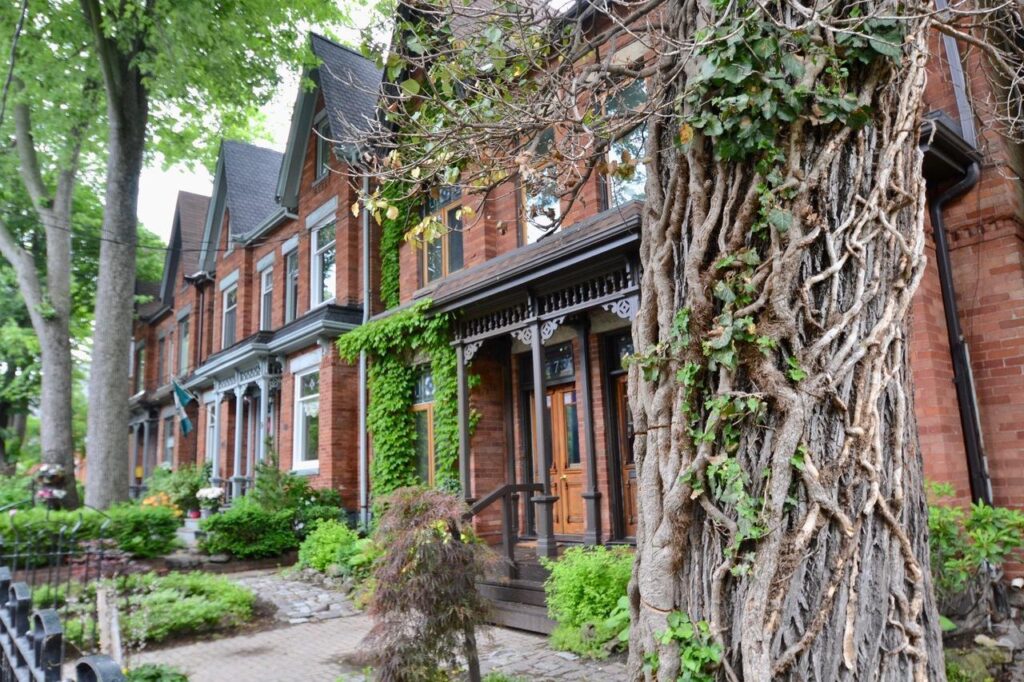
There are neighbourhoods in Toronto that get talked about constantly. King West, the Annex, Leslieville. Places that have had their moment in the spotlight, attracted a wave of new residents and businesses, and settled into a kind of established cool.
And then there's Cabbagetown.
Cabbagetown doesn't really need the spotlight. It has been quietly doing its thing for well over a century, and the people who live there tend to have a specific, almost fierce attachment to it. Ask a Cabbagetown resident how they ended up in the neighbourhood and you will almost always get a version of the same answer: they came once, walked around for an afternoon, and started working out how to make the move happen.
So what is it about this small, dense, Victorian pocket of central Toronto that keeps pulling people in?
A Neighbourhood With Real History
Cabbagetown is one of the oldest residential neighbourhoods in Toronto, and it shows, in the best possible way. The name itself dates back to the late 1800s, when Irish immigrants settled the area and grew cabbages in their front yards out of necessity. That working-class origin story is baked into the neighbourhood's identity in a way that has never fully washed out, even as the area transformed into one of the most architecturally significant residential pockets in the city.
Today, Cabbagetown is home to what is considered the largest preserved collection of Victorian-era architecture in North America. These are not just old houses. They are genuinely beautiful buildings, built with craftsmanship and detail that would be impossible to replicate affordably today: bay windows, ornate cornices, original brick facades, wraparound porches, and narrow lots that somehow feel generous once you step inside.
Walking the streets here feels different from walking through most of Toronto. It feels like a neighbourhood that was designed for human beings at human scale, not for cars or density targets or development timelines.
The Street Life That Makes It Work
Architecture alone does not make a neighbourhood. What makes Cabbagetown genuinely livable is everything that happens at street level.
Parliament Street is the commercial spine of the neighbourhood, and it has developed into exactly the kind of main street that urban planners spend careers trying to recreate in other areas. Independent coffee shops where the staff know the regulars. Restaurants that have been there long enough to become institutions. A butcher, a cheese shop, a bookstore. The kind of mix that signals a neighbourhood with actual residents living actual daily lives, not just a street built around weekend foot traffic.
Riverdale Farm sits at the neighbourhood's southern edge, a working urban farm in the middle of the city that feels genuinely surreal the first time you encounter it. Goats, chickens, heritage breed cattle, and vegetable plots, all within a short walk of the downtown core. It is the kind of amenity that is impossible to put a dollar value on, but anyone who has watched a small kid encounter a pig for the first time in an urban setting understands why it matters.
Riverdale Park stretches out from the farm with views across the Don Valley that are quietly spectacular, especially in fall when the ravine turns gold and orange and the city skyline sits in the background like a postcard.
Who Actually Lives Here
Cabbagetown has attracted a particular type of resident over the years. Artists, writers, academics, longtime Torontonians who value character over flash. The neighbourhood has never really been about status or trends. It has been about quality of life, community, and the specific pleasure of living somewhere that has genuine soul.
That said, the demographic has broadened significantly. Young families have discovered that the neighbourhood's tree-lined streets, proximity to good schools, and genuinely walkable layout make it an exceptional place to raise kids. Professionals who want to live centrally without the condo tower experience have found in Cabbagetown a rare combination of urban access and residential calm.
The community itself is engaged and involved in a way that stands out even by Toronto standards. Cabbagetown has active neighbourhood associations, a beloved annual festival that draws the whole area together, and a general sense that people here know and look out for each other.
The Real Estate Reality
Here is where things get practical, because if you are thinking seriously about Cabbagetown, you need to understand what you are walking into from a market perspective.
The housing stock here is overwhelmingly Victorian and Edwardian semis and detached houses, with a smaller number of coach houses, converted flats, and purpose-built rental buildings. What you will not find much of is new construction. The neighbourhood is essentially built out, which is a significant part of what makes it so appealing and so consistent in value.
Demand has been strong and relatively stable over many years, because the supply of genuinely comparable properties is limited. For buyers looking beyond standard listings and into Toronto’s most distinguished homes, exploring Harvey Kalles luxury properties can offer added insight into the calibre of residences available across the city’s most desirable enclaves.
When a well-maintained Victorian goes to market on a good block, it tends to move. When a property needs significant work, the calculus gets more interesting and local knowledge matters considerably more.
Is Cabbagetown Right for You?
Cabbagetown is not for everyone, and it knows it.
If you need a large modern kitchen and an open-concept main floor, you will either need to renovate significantly or adjust your expectations. If you want to drive everywhere, the neighbourhood's street parking reality will frustrate you quickly. If you are looking for new construction with clean lines and simple maintenance, you will not find it here.
But if you want to live somewhere with genuine character. Somewhere with beautiful bones, a strong community, exceptional walkability, and a central Toronto location that puts you close to everything without making you feel like you are in the middle of everything. Somewhere that feels like a real neighbourhood rather than a real estate concept.
Cabbagetown has been that place for a very long time, and by all available evidence, it intends to stay that way.