
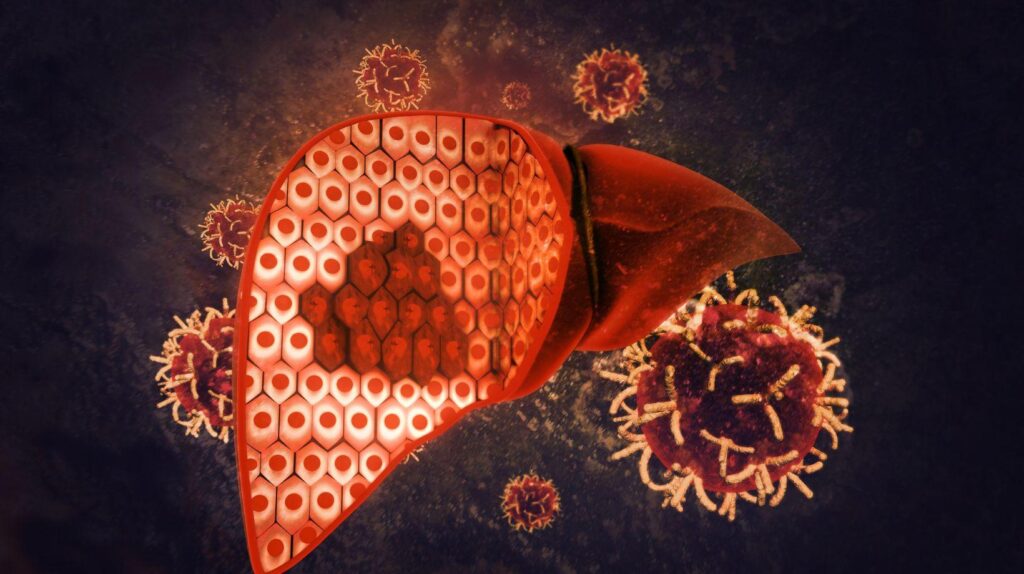
Today, liver cancer is one of the most dangerous tumors in the world. Hepatocellular carcinoma (HCC) is responsible for most of the cases. Traditional types of treatment (surgery, ablation, and chemotherapy) provide limited survival benefits. Generally, all this treatment is justified, except in stages that can be described as advanced. For this reason, innovative immunotherapy for liver cancer is rapidly gaining global attention.
Booking Health is enriching its range of advanced methods in oncology by providing patients with dendritic cell therapy for liver cancer. This advanced method mobilizes the immune system of the patient to fight tumor cells. Through Booking Health, this therapy is now offered at leading clinics in Germany. That is why foreign patients turn to one of the most promising types of immunotherapy for maintaining long-term cancer control.
What Is Dendritic Cell Therapy?
Dendritic cells are specialized immune cells often called the “sentinels” of the immune system. Their predominant function is to take up antigens, process antigens, and present this information to T‐lymphocytes. The interaction leads to an immune reaction that can identify and eliminate abnormal or cancerous cells.
The principle of dendritic cell therapy is simple:
1) Extract dendritic cells from the patient’s blood.
2) Load dendritic cells with tumor-specific antigens in the laboratory
3) Return dendritic cells to the patient’s body as a dendritic cell vaccine employing the lectin‐like properties of the cells
4) Elicit the necessary T‐lymphocyte responses directed against liver carcinoma
Unlike chemotherapy, which will nonspecifically destroy normal and malignant cells in the body, dendritic cell vaccination works in this manner—through stimulation of the immune response and the sparing of the normal liver.
Why Immunotherapy Stands Out for Patients
This therapy has many significant benefits:
- Individualization—Each dendritic cell vaccine is produced individually from the patient’s own immune cells.
- Specificity—It specifically attacks malignant cells, with very little systemic side effect.
- Memory—Once activated, the immune system “remembers” how to recognize and destroy hepatocellular carcinoma cells.
- Combination potential—Dendritic cell immunotherapy has the potential to be effectively used in conjunction with other therapies, such as immune checkpoint inhibitors or local ablation.
In patients with liver carcinoma, these benefits ensure an improved quality of life and an improved chance of long-term survival.
Clinical Evidence: What the Studies Show
Recent clinical study findings have confirmed the value of immunotherapy for hepatocellular carcinoma.
For example, a 2020 study reported that dendritic cell vaccination combined with cytokine-induced killer cells significantly improved overall survival in advanced HCC patients.
Another study published in the International Journal of Molecular Sciences highlighted that dendritic cell vaccines reduce recurrence rates after surgery and prolong progression-free survival. Early clinical trials demonstrated a median overall survival of 30 months in patients who received dendritic cell therapy for liver cancer, compared to less than 20 months with conventional therapies.
Comparison of Conventional vs. Dendritic Cell Therapy
|
Aspect |
Conventional Liver Cancer Therapy |
Dendritic Cell Therapy |
|
Treatment mechanism |
Surgery/chemo directly target tumors |
Activates immune system to attack tumors |
|
Effect on healthy cells |
Often damaged |
Largely preserved |
|
Duration of response |
Temporary control |
Long-term immune memory |
|
Side effects |
Fatigue, nausea, toxicity |
Mild flu-like symptoms |
|
Personalization |
Standardized |
Fully individualized |
How Dendritic Cell Vaccination Works for Liver Patients
For patients with hepatocellular carcinoma, treatment starts with comprehensive diagnosis and evaluation, including imaging, biopsy, and tumor marker studies to confirm eligibility. The patient’s blood cells, monocytes, are retrieved and then differentiated into dendritic cells. These cells are then loaded with tumor antigens, such as tumor lysates or specific HCC proteins, to form a personalized vaccine. The dendritic cell vaccine is then delivered, activating the patient’s T-cells to recognize and destroy cancer cells. The patient’s response will be carefully followed by imaging and blood tests. Depending on the patient’s condition, this treatment cycle may be repeated or given in conjunction with local directed liver therapies, such as transarterial chemoembolization (TACE), or proton radiation.
Why Germany Leads in Dendritic Immunotherapy
Germany is the world leader in dendritic immunotherapy for liver cancer. Authorized hospitals use GMP-compliant laboratories and standardized protocols to manufacture the vaccines safely and effectively. Patients in the Federal Republic really profit from the following:
- Interdisciplinary tumor discussions, combining specialists in the fields of oncology, hepatology and immunology.
- The application of dendritic therapy in combination with surgery, radiotherapy or chemotherapy.
- A transparent system of billing, which is usually between €20,000 and €38,000 for a complete vaccination protocol.
- Individual rehabilitation programs for the support of recovery and lasting health.
Access Dendritic Cell Therapy with Booking Health
Accessing innovative liver cancer treatments abroad can be complex. However, Booking Health simplifies the process by connecting patients directly with top hospitals in Germany and worldwide.
Services include:
- Full analysis of medical reports.
- Selection of the best clinic for hepatocellular carcinoma therapy.
- Visa support, travel arrangements, and interpretation.
- Transparent budgeting with no hidden fees.
- Personal coordinators available 24/7.
Contact Booking Health today to gain access to world-class dendritic cell therapy for liver cancer and begin your journey toward innovative, personalized care.