
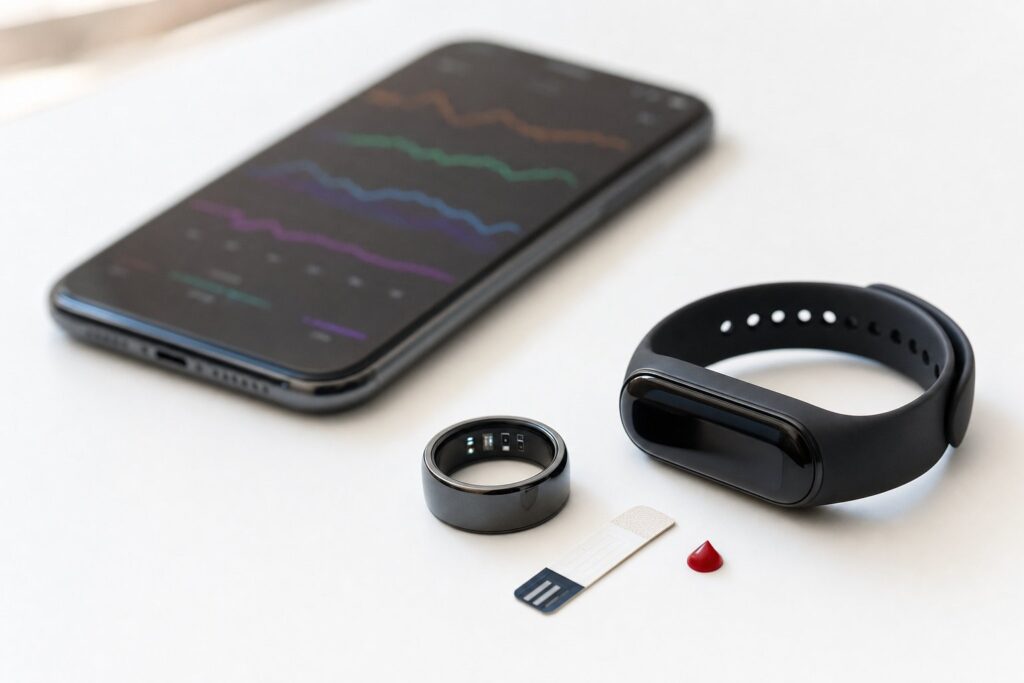
Digital tracking tools are reshaping how individuals approach their daily wellness routines. By helping people notice patterns and make informed decisions, these technologies offer consistent feedback for those seeking smarter health management. Understanding the practical benefits and common mistakes is key to using these tools effectively and safely.
More people now use digital tools to monitor their health and guide everyday choices. Whether you are managing sleep, fitness, nutrition, or mood, tracking data can reveal helpful trends and improve awareness. Tools such as wearable devices, smartphone apps, and dedicated calculators, including A1C Calculator Online, have become a regular part of wellness routines, each with unique benefits and limitations. Learning how to choose and use the right digital health tracking tools can make wellness goals more achievable and less overwhelming.
Defining the landscape of digital health tools
Digital health tracking tools refer to a wide range of technology, from apps on your mobile phone to sophisticated wearable devices. These resources allow individuals to record, analyze, and reflect on health data collected throughout daily life. The aim is to provide accessible feedback that supports ongoing wellness decisions without requiring advanced expertise.
Examples include activity and sleep tracking wearables, nutrition and hydration apps, web-based dashboards, and standalone tools such as online calculators or simple spreadsheets. Some people rely on a single solution, while others use a combination for a more comprehensive overview. The key is selecting tools that fit your preferences and lifestyle without creating unnecessary complexity.
Understanding essential health metrics and categories
Tracking movement and activity is among the most popular uses of digital health tools. These include step counters, workout logs, and recovery monitors, which help users see how physical activity patterns affect their energy and wellbeing. Tracking these metrics can support consistency and motivation in building healthy habits.
Another valuable category involves monitoring sleep quality. Tools may assess sleep duration, consistency, and habits that contribute to restful nights. Nutrition tracking, which often includes meal logging, macronutrient breakdowns, and hydration monitoring, helps clarify how dietary choices connect to energy or mood. Weight trends, blood pressure, and glucose measurements are increasingly available, offering clear insights for those monitoring specific cardiometabolic risks.
Stress and mood tracking through subjective scales or journaling prompts can further enrich your understanding of mental wellbeing. Used carefully, this information may help some people identify triggers or routines associated with changes in mood. It can be most useful when combined with other observations and, when appropriate, professional guidance.
Selecting user-friendly and trustworthy tools
Choosing an effective tracking method relies largely on ease of use and compatibility with your daily routine. Low friction, manageable reminders, and minimal data entry make it more likely that you will stick with tracking long term. The value of clear results, shown through trend lines, charts, or export options, can enhance motivation by making progress visible and actionable.
When you are evaluating a digital tool, it is important to recognize the difference between estimated and measured data. For example, step counts may be tracked by sensors, while tools that convert averages, such as the A1C to Blood Sugar Calculator, provide estimates and cannot replace clinical tests. Avoid over-interpreting this information and use trends as supportive feedback instead of self-diagnosis.
Protecting privacy and setting realistic expectations
Safeguarding your health data should be a priority before using any digital tracking solution. Consider the privacy policies, account requirements, and default settings that control whether your information may be shared or retained beyond your device. Some platforms allow data downloads or set clear limits, which is especially relevant when tracking sensitive health outcomes.
Establishing a simple review routine helps prevent obsession or worry over daily changes. A lightweight weekly check-in allows you to reflect on noticeable shifts, long-term stability, and which adjustments might offer better results. Focus on consistency instead of chasing perfection, and be careful not to track so many metrics that the process itself adds stress or confusion.
If persistent abnormal trends appear, or symptoms worsen or medications change, consider involving a clinician for guidance that integrates digital records and personal context. Digital health tracking tools ultimately work best as supportive tools, guiding steadier choices and meaningful self-reflection. When used thoughtfully, they can help you cultivate habits that match your individual goals and lead to more sustainable improvements in everyday wellness.