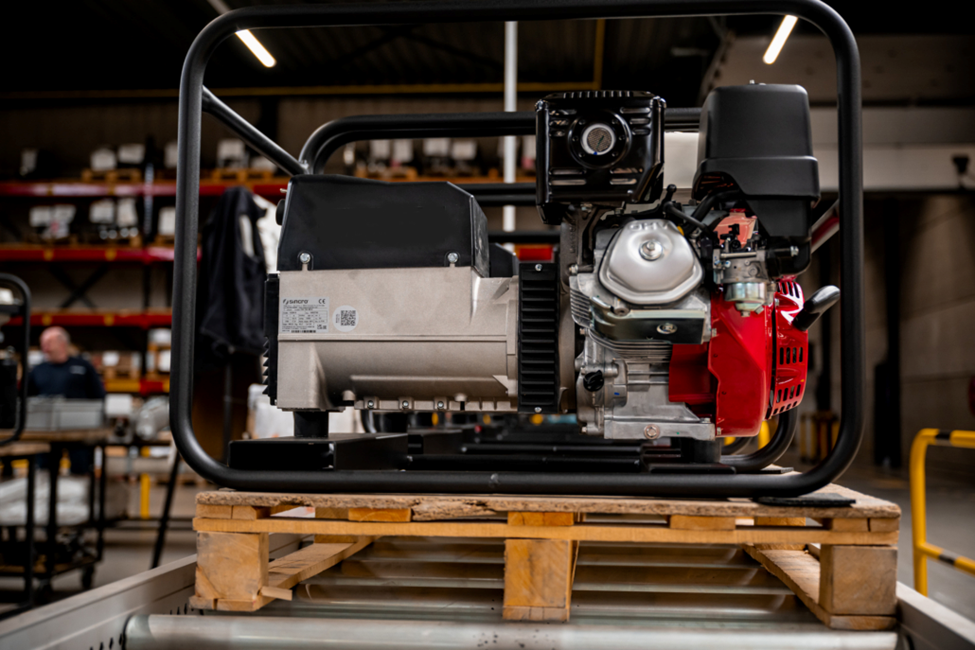
Get generators that are highly engineered to power up your industrial business. You don’t have to worry about a grid outage anymore because there are authorized distributors that are going to help you find the right equipment that’s custom-made for your power project.
There are commercial standby generators that automatically restore power when the system detects an outage. This will protect your inventory and even allow your HVAC system to continue functioning with their help. However, you need to make sure that what you’re getting is actually going to supply you with your needs. Learn more info about HVAC when you click here.
This is where a thorough assessment comes in because the experts can help you calculate your building requirements in no time. They will check if your elevators need a generator during emergencies and how much voltage your office computers consume. Everything will be thoroughly checked, and they’ll make sure that they can contribute to your long-term objectives.
Learning More about How to Choose the Right Generators
Know the Load Requirements of the Facility
The first thing to consider is to know how much an area actually needs and to evaluate the electrical demands of each appliance. Others may include heavy machinery into the equation, so this is where the people should work best with a legitimate supplier.
They’re going to perform a load assessment based on the operational schedule of each facility throughout the day. The entire process can also include the future growth of a business, where it’s assumed that they’re going to add heavy machinery over time.
Also, there are generators that are not going to turn on automatically if there’s an outage, and the supplier will usually explain this to the owners. On the other hand, the standby types can be set up to provide uninterrupted power but know that they’re going to be more expensive than the portable ones. If a business wants a more affordable option that they can use for temporary emergencies, then the latter is the best option.
However, these types of equipment should be powerful enough to keep the cooling systems running. The lights should continue to work, and it’s best if they can be integrated into other existing systems. Most of the time, it’s the engineers who will calculate the total capacity of these generators, and they’re also going to check for potential overloads to make the right adjustments.
The fuel type matters, too, where the generators that run on diesel are often more reliable. They’re ideal for industrial businesses because of their longer lifespans, and they’re used for facilities that tend to run huge machinery to continue their tasks. Natural gas (https://education.nationalgeographic.org/resource/natural-gas/) can be a good option if a business prefers cleaner operations and continuous supply through the city lines.
Planning for Scalability and Efficiency
Scalability is important because the generators of the business should be able to accommodate load expansion. This way, it prevents the businesses from buying another generator whenever they’re adding appliances. A complete overhaul is expensive, so look for the experts who can actually design a flexible framework that can increase the production of electricity without needing to do a major upgrade.
Choose the brands that are already trusted in the industry and get in touch with the experts who are familiar with the power requirements of production plants. They can often provide industrial generators that are powerful enough to be applied in wastewater treatment facilities, and with their custom power system design services, they can recommend the ideal equipment for you. They’ll do their best to meet the configurations that are suited even for those who are running retail shops. See more on where you can find them here:
With the right experts looking at a facility’s power requirements, the results will be better efficiency and a significant reduction in energy waste. All of these are possible while they maintain their performance, and this can include selecting components that can minimize losses. Everything is strategic at this phase, and most experts are forward-thinking because they want the businesses to grow further.
What’s Involved in the Designing Phase
A detailed layout of the electrical wires and the connections to the generators will be started by the experts. They outline the electrical distribution of the equipment along with the installation of the protective components for longevity. Each element is going to be set up in such a way that it’ll work seamlessly with the existing appliances.
Selecting switchgears is possible at this point because the goal is to create a balanced energy distribution system that follows the building codes in the area. There will also be technical evaluations that can happen, so there can be adjustments made to the designs.
Procurement of the Chosen Equipment
Technical specifications are evaluated at this point to contribute to the overall success of the project. The procurement team will shop around to see which manufacturers can give them the generators that they need, and they’ll check whether a high-powered generator will be enough to back up a specific setup once the power goes out.
The prices will be considered as well, and they’re going to list down the quotes that they’ve gotten from different companies and present them to the company’s stakeholders. Once they approve the purchase, there will be deliveries that will be made, and everyone can just wait until they’re finished.
Integration of the Available Parts in the System
When everything arrives on time, the professionals will get started on the installation, where the technicians are going to handle the voltage regulation of the new generators and make sure that the installation is seamless.
The skilled professionals are going to be accurate with their configurations, so they know that everything that’s essential can be powered up once the grid shuts down. They also put safety measures in place to avoid electrical surges and fires in various facilities.
Once everything is in place, they will do quality checks first to make sure that each component is functioning as expected. They will make sure that adjustments will be made so the system can remain reliable, and they can also conduct training sessions for the assigned personnel in the facility, so they know how to operate these generators afterwards.