Poker. It combines skill and strategy with gambling. It’s a popular pastime, with over 50 million of Americans playing it. With how common it is, you might be wanting to give it a try.
Whether you’re a newbie or an experienced player, there’s one thing to remember – you must be prepared for a challenge. Getting into poker often feels a bit like being thrown in at the deep end. One minute you’re learning hand rankings; the next you’re trying to figure out why someone just raised you out of a pot.
Even with years of experience, this is unlikely to change. After all, no hand is the same as the last. The game – and its players – is always changing.
Fortunately, you don’t need to master everything at once. A few simple ideas will go a long way in helping you feel more confident at the table – and actually enjoy the game while you’re at it.
Remember Position is Power
Position is power – a very true statement. If there’s one thing that quietly shapes almost every hand in poker, it’s position. Wherever you’re sitting in relation to the dealer has a big impact. It influences how much information you have when it’s your turn to act – and you want to have a lot of information.
When you’re on of the first to go, you’re making decisions with very little to work with. In this situation, it makes sense to be more cautious. But when you’re acting later, you’ve already seen what everyone else has done. That gives you a chance to make smarter calls. Heck, maybe you’ll even take advantage of hesitation from other players.
It might not seem like a huge deal at first. However, once you start paying attention to it, you’ll notice how often it influences the outcome of a hand.
Use a Tight-Aggressive Strategy
A lot of beginners fall into the trap of playing too many hands, mostly because it’s hard to sit there and fold over and over again. After all, no one wants that. But in poker, patience really does pay off.
That’s where the tight-aggressive approach comes in. Yes, a strategy – this isn’t a game to depend on luck. You need to be selective about the hands you play, but when you do decide to get involved, you don’t hold back. You bet with purpose instead of just calling and hoping things work out.
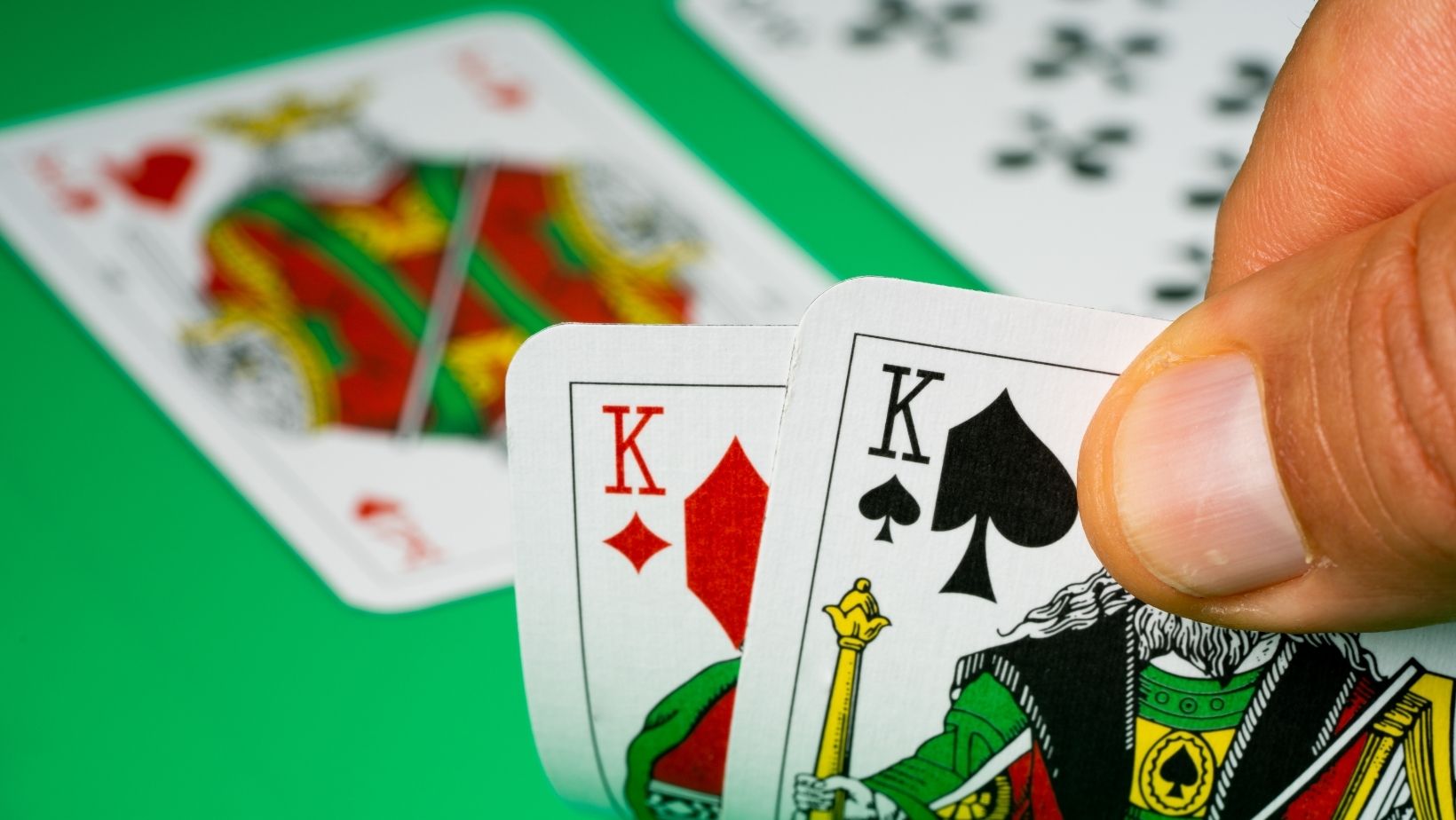
It keeps things simple. This is exactly what you want when you’re still learning. And it’s not just a beginner tip either – this kind of disciplined style shows up again and again at higher levels. You even see it used by professionals – including Jeremy Wien – and their runs to the WPT Championship. Here, staying composed and picking the right moments to apply pressure make all the difference.
So, you should watch the experts when you get the opportunity. You might even pick up a trick or two.
Read the Table and Opponents
The longer you play, the more you realize poker isn’t just about your cards – it’s about people. Everyone has habits, even if they don’t realize it.
Some players get bold when they’re strong. Others suddenly go quiet when they’re unsure. Spotting these little changes can give you clues about what’s really going on.
It also helps to get a feel for the table as a whole. Is it a relaxed game where people are just having fun? Or is everyone trying to outplay each other? Adjusting how you play based on that can save you a lot of frustration.
And honestly, some of the best learning occurs when you’re not even in a hand. Just watching how things play out can teach you more than jumping in every time.
To conclude, poker isn’t about being perfect – it’s about making slightly better decisions over time. If you follow the tips above – keep position in mind, stay patient with your hands, and pay attention to the people around you – you’ll naturally start to improve.
And that means the next time you step into a casino, or join your friends around the poker table, you’ll be much more prepared. And much more likely to win.