
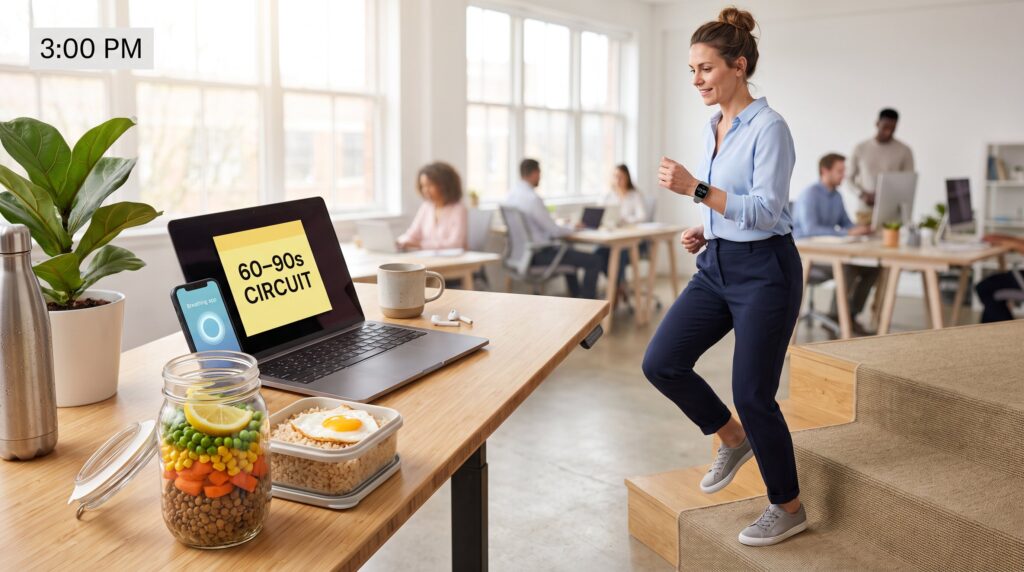
Low-Cost Wellness Habits That Fit a Busy Schedule start with tiny, repeatable actions done across the day. Readers often think wellness requires an hour block: evidence and busy lives disagree. This guide shows realistic, research-backed microroutines for movement, food, and stress care that cost little and slot into 30–90 second windows. It targets people who want clear, actionable habits they can actually keep when time is scarce.
Key Takeaways
- Low-cost wellness habits fit a busy schedule through brief, repeatable micro-movement sessions like 60-second exercise snacks done multiple times daily, improving cardiometabolic health effectively.
- Affordable nutrition strategies using staples such as beans, lentils, oats, and eggs provide balanced protein and fiber to increase satiety and stabilize blood sugar for sustained energy.
- Short stress management practices, including 5–7 minute breathing exercises and 2-minute sensory grounding, quickly reduce anxiety and improve focus in busy environments.
- Incorporating these low-cost wellness habits into daily routines requires minimal time, making them sustainable and practical even for people with tight schedules.
- Starting with one micro-movement, one simple nutritious meal swap, and one brief breathing break per day can deliver noticeable energy and mood benefits within two weeks.
Microsessions: Quick Movement Routines You Can Do Anywhere
Fact: Accumulating short, intense movement bouts improves cardiometabolic health and fitness almost as well as longer sessions when repeated across the day. Busy people can gain measurable benefits by doing 1–5 minute “exercise snacks” three to six times daily.
Practical routine: At 9:00, 12:00, and 3:00, they perform 60 seconds of bodyweight squats, 60 seconds of push-ups or incline pushes, and 60 seconds of brisk stair climbs or fast in-place marching. Each bout elevates heart rate and insulin sensitivity: studies reported improved blood pressure and glucose control with these brief efforts.
Why it works: Short, vigorous bursts require minimal setup, so friction is low. A single stair climb that lasts 45 seconds can spike heart rate enough to trigger cardiometabolic adaptations. Over the day, these spikes add up. For someone with 5–10 minutes total across the day, that beats one missed 45-minute gym slot.
Real-world detail: One office manager admitted she once skipped workouts because “the gym felt like a second job.” She started doing three 3-minute stair sessions at work and, after six weeks, noticed fewer mid-afternoon energy crashes and one less sick day. That anecdote mirrors larger trial results. Those looking for more depth can read the full guide.
How to start: Keep a sticky note of a 60–90 second circuit on a phone lock screen. Use a timer app or watch. If mobility limits exist, replace squats with seated leg pumps and stair climbs with fast arm raises and marching in place.
Quick warning: Brief high-intensity efforts raise blood pressure and heart rate: anyone with cardiac conditions should check with a clinician before starting.
Related resources: For simple step-by-step routines and more daily habit ideas, the site’s guide to fresh-start routines outlines restartable plans and progressions. Also see the collection in the health archives for additional evidence-based circuits.
Nutrition Hacks For Busy Days: Affordable, Fast, And Satiating
Fact: Combining protein, fiber, and a modest fat at meals increases satiety and stabilizes blood sugar, delivering more sustained energy during a packed day. Low-cost staples like beans, lentils, oats, eggs, and frozen vegetables provide that mix cheaply and fast.
Simple meals that scale: A mason-jar lunch with 1 cup cooked lentils, ½ cup frozen mixed vegetables, a drizzle of olive oil, and lemon takes five minutes to assemble from batch-cooked ingredients. For breakfast, a bowl of oats with a scoop of Greek yogurt and a spoonful of peanut butter provides 15–20 grams of protein and long-lasting fullness.
Batch strategy: Batch-cook 4 cups of dried beans or a large pot of lentils on a Sunday (yields about 8–10 servings). Freeze portions in reusable containers. Use frozen vegetables and canned tuna or eggs to rotate through meals without daily cooking. This approach cuts cost: dried lentils often cost under $1 per cooked cup and supply multiple meals.
Exact example: A low-cost dinner, 1 cup cooked brown rice, ½ cup black beans, 1 cup frozen spinach, and one fried egg, delivers ~20–25 g protein and fiber, costs roughly $1.75 when using pantry staples, and takes 8 minutes if rice and beans are pre-cooked.
Practical trap and lesson: One commuter relied on energy bars and felt wired then crashed mid-day. After switching to a mid-morning lentil jar, they gained two extra productive hours. The lesson: cheap whole foods outperform processed quick fixes for steady energy.
Site links and tools: For a compact set of daily habits that pair with affordable meals, the article on better living habits shows ten simple practices tailored to busy people. Organizing quick meals also ties into tips on everyday household tasks that save 20–30 minutes each week.
Stress Management On The Go: Short Practices That Reduce Anxiety
Fact: Breathing and meditation practices as brief as 5–7 minutes produce immediate drops in perceived stress in busy populations. Short sessions repeated daily reduce baseline anxiety and improve focus.
Micro-practices: At the desk or in a car parked before a meeting, a person can do one 4-7 minute diaphragmatic breathing session: inhale for 4 seconds, hold 1 second, exhale for 6–8 seconds, repeat. A single session often lowers heart rate and clears cognitive fog.
Grounding option: If someone has two minutes between tasks, use a 2-minute sensory grounding: name five things seen, four things touched, three sounds, two smells, and one taste. That quick sequence resets attention and reduces worry.
Concrete routine: A nurse working 12-hour shifts reported using two 6-minute guided meditations before and after break time. She tracked fewer panic episodes over three months. That small change aligned with trial findings showing brief guided practices reduce stress markers.
Tools and how-to: Use a short guided track on a phone or a simple timer. If privacy is limited, practice box breathing (4-4-4-4) silently. If intrusive thoughts or severe anxiety persist, seek professional help, brief practices help, but they are not a replacement for therapy when needed.
Internal linking: For concise mindfulness tips aimed at busy schedules, see the site’s practical piece on mindfulness for busy lives. To build a predictable start to the day that lowers reactivity, pair these breaks with strategies from the morning routine guide.
Research note: Studies show consistent short breathing sessions lower cortisol and perceived stress within weeks when practiced daily. The low cost, time only, makes this approach accessible and scalable.
Conclusion
Insight: Small, repeatable actions beat rare, long efforts. Short movement microsessions, inexpensive high-satiety meals, and micro-meditations deliver measurable gains in energy and well-being for busy people.
Next step: Pick one micro-movement, one simple meal swap, and one 5-minute breathing break to do every weekday for two weeks. Track energy and mood in a notebook. That low-cost experiment often reveals the biggest leverage with the least disruption.
Context link: Additional practical ideas and deeper how-to articles live on the site’s hub and support learning as routines scale: useful ideas hub.