
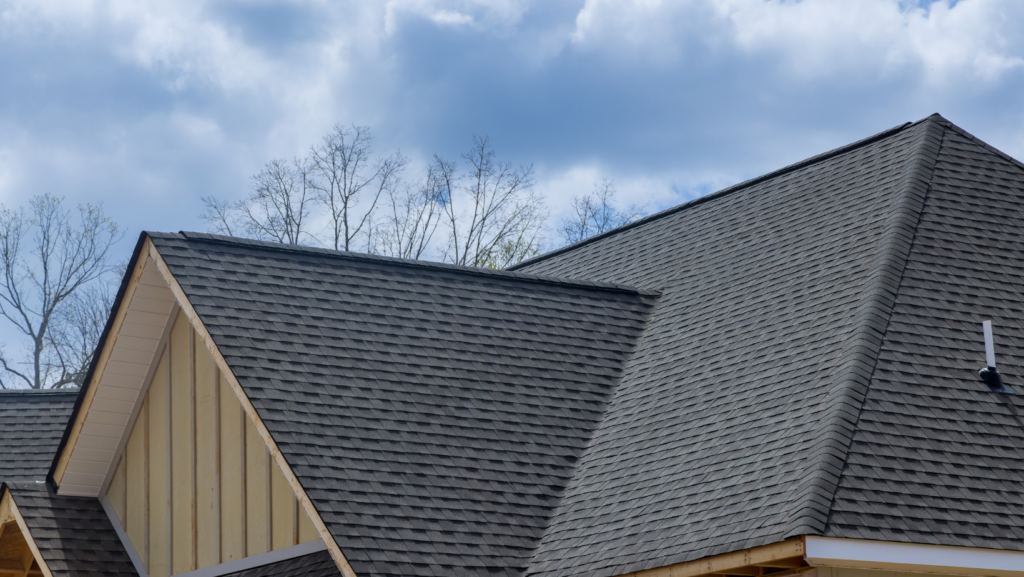
When we talk about the things that keep our homes and structures safe, we usually focus on the big parts like walls or foundations. But it is the thin outer layer that does the heaviest lifting. Whether it is the paint on your siding or the shingles on your roof, these surfaces act as a shield against a world that is constantly trying to break them down. If you live in a place with harsh seasons, you might eventually need a roof repair Tooele service to fix the damage caused by the environment. Understanding why these layers fail is the first step in making sure they last as long as possible.
The Relentless Power of the Sun
It might feel good on your skin, but the sun is actually a giant ball of radiation that slowly eats away at almost every building material. Ultraviolet rays break down the chemical bonds in protective coatings. This process is called photodegradation. Over time, you will notice that colors start to fade and materials become brittle.
When a surface loses its flexibility because of sun exposure, it can no longer expand and contract when the temperature changes. This leads to tiny cracks that you might not even see at first. Once those cracks appear, the protective layer is no longer a solid shield. It becomes a porous sponge that lets in everything it was designed to keep out.
Water and the Cycle of Erosion
Water is the ultimate solvent. It does not matter if it is a light drizzle or a heavy downpour because moisture finds a way into the smallest gaps. When water sits on a surface, it can slowly dissolve the binders that hold the material together. This is especially true for stone, wood treatments, and even certain types of heavy-duty industrial coatings.
The real trouble starts when that water freezes. As liquid turns to ice, it expands with incredible force. This creates a "freeze-thaw" cycle that acts like a tiny crowbar, prying apart the surface of your home. Each time the temperature drops, the damage gets a little deeper. Eventually, the protective layer simply flakes off or peels away in large chunks.
Wind and Physical Abrasion
We often think of wind as just moving air, but it is usually carrying a lot of hitchhikers. Dust, sand, and small debris get whipped up and blasted against your exterior surfaces. This acts exactly like sandpaper. Over a few years, this constant friction rubs away the top finish of your shingles or the sealant on your deck.
If you live in an open area where the wind howls frequently, your protective layers will wear down much faster than someone in a sheltered forest. This physical wear is hard to notice day to day. You only really see it when you compare a protected area, like the space under an eave, to a part of the wall that faces the wind directly. The difference in texture and thickness can be shocking.
Biological Growth and Pests
Nature is always trying to reclaim the space we build on. Moss, algae, and lichen love to grow on damp or shaded surfaces. While a little green moss might look charming or rustic, it is actually a silent killer for protective layers. These organisms root themselves into the material and hold moisture against the surface for long periods.
Some types of fungi even secrete acidic substances that eat through the protective resins in paint and roofing. On top of that, pests like termites or carpenter ants look for any weakness in the surface layer to get inside the structure. Once the seal is broken by a plant or a bug, the structural integrity of the material underneath is at high risk.
Chemical Exposure and Pollution
If you live near a city or an industrial zone, your home is likely dealing with chemical stress. Acid rain is still a very real factor that can etch surfaces and wear down protective finishes. Even simple things like bird droppings or tree sap contain high levels of acidity that can burn through a layer of wax or sealant in a matter of weeks if they are not cleaned off.
Pollution also creates a layer of grime that traps heat and moisture. This creates a micro-environment on the surface of your home that speeds up the natural decay process. It is a slow chemical reaction that eventually leaves the surface thin, chalky, and useless.
Final Word
Protecting your home is a never-ending job because the elements never take a day off. From the burning sun to the freezing rain, every part of the outdoors is working to thin out those vital surface layers. If you notice things looking a bit worn out, reaching out for a roof repair Tooele service can help you get things back in shape before the real damage starts. Taking care of these protective shells now will save you a massive headache and a lot of money in the long run.