
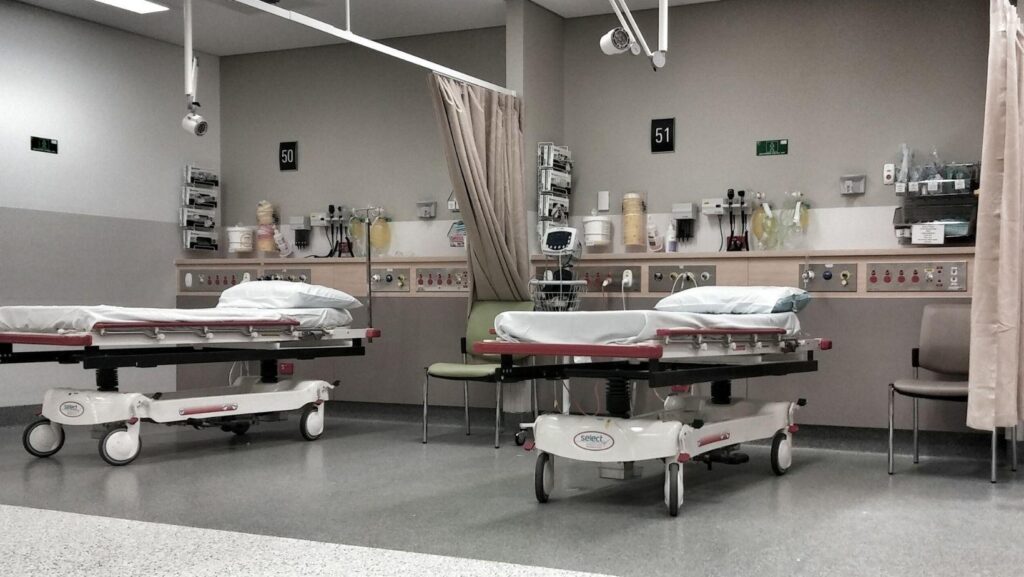
Emergency rooms are not designed for fairness in the everyday sense. They are designed for risk management. This distinction changes everything, yet it is often overlooked. Many frustrations tied to ER visits stem from expecting a linear system in a setting that is fundamentally nonlinear. Understanding how priorities are actually determined reveals why certain decisions feel counterintuitive, but are medically justified.
Priority Is About Risk Trajectory, Not Pain Level
A common assumption is that the patient who appears the most visibly distressed should be seen first. However, pain is not always the most reliable indicator of risk. Emergency departments assess the likely course of a condition.
Someone with mild pain but signs of internal haemorrhage may be prioritized over a patient with severe pain but no signs of deterioration. The priority is stopping things from getting worse. Treating pain is secondary. This preventative focus can seem contradictory, but it is essential to emergency medicine.
Speed Is Selective, Not Universal
There is a belief that emergency rooms are built for constant speed. In practice, speed is applied strategically. Some cases require immediate intervention, while others benefit from brief observation before action.
Rushing every case would increase diagnostic errors and strain already limited resources. When people search for an “ER near me,” they are often thinking in terms of instant response. While rapid access is important, clinical accuracy remains the higher priority once the patient enters the system.
Order Is Dynamic, Not Fixed
Many patients anticipate a line, like other service industries. This is not the case for emergency departments. The sequence is in constant flux due to new patients and changing medical circumstances. A stable one may be delayed for a critical patient. This shifting order may seem random but it is part of the system that is responding to new information.
Resources Matter More Than You Think
Another less obvious factor is resource allocation. The availability of equipment, staff, as well as specialists affects the pace of patient movement through the system. Two patients with similar conditions may experience different timelines depending on what is immediately available. This is a constraint-driven process and not an inefficiency. Emergency care is about capacity as well as care.
Preparedness Starts Before the ER
Emergency priorities do not begin at the hospital door. Personal preparedness can influence how quickly a case is understood and managed. Items such as a medical alert ring can contain vital health information to speed the triage process.
Meanwhile, preserving vital health measures like muscle health reduces the risk of complications that require emergent care. These factors quietly shape how efficiently care is delivered once a patient arrives.
The System Is Designed for Outcomes, Not Experience
Much of the criticism of emergency rooms relates to the patient experience, especially waiting times and equity. These concerns are important, but are secondary to clinical outcomes. The system is intentionally designed to reduce mortality and long-term harm. Even if that means creating uneven experiences in the short term. This is not always well communicated, hence the confusion.
Endnote
Priorities in emergency rooms are often misunderstood because they don't fit with our everyday notions of fairness and order. They are based on a different logic, that of probability, risk and resource allocation. With this logic, the inconsistencies are resolved and the system is seen to be orderly rather