
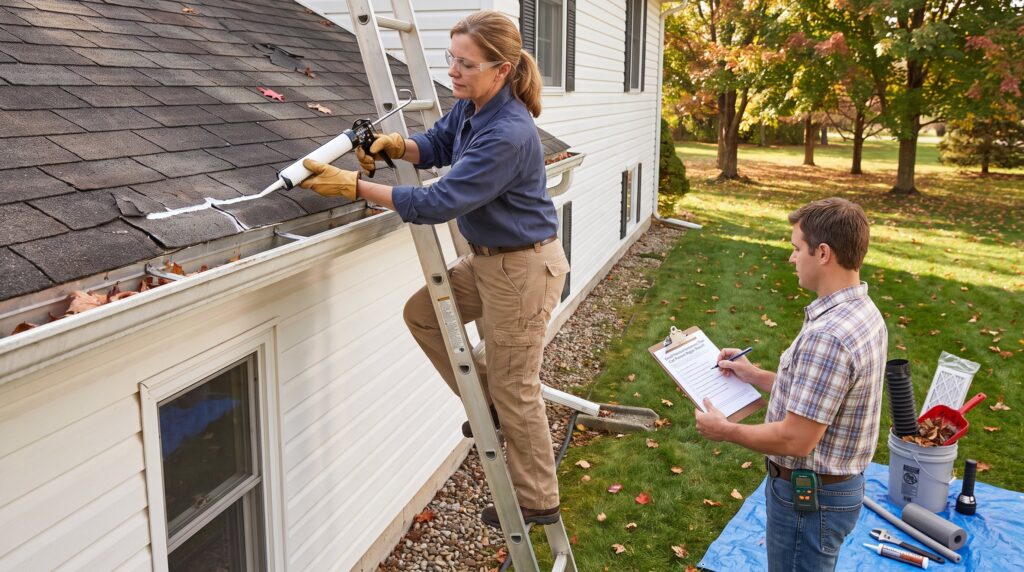
Small home improvements that can prevent bigger repairs save homeowners large sums when addressed early. Early fixes, tightening a loose shingle, replacing worn caulk, or cleaning a clogged gutter, often cost under $300 but stop damage that would otherwise run into the thousands. This article lists targeted, low-cost actions a homeowner can take in 2026 to reduce risk, extend system life, and avoid emergency contractors. Each section gives a direct fix, tools needed, and one honest pitfall to watch for.
Key Takeaways
- Small home improvements can reduce long-term repair costs by 50–70% when addressed promptly, making early action on minor issues essential.
- Fixing leaks, sealing gaps, and controlling moisture are critical steps to prevent costly structural damage such as mold, rot, and foundation problems.
- Regularly inspecting your home’s exterior and interior with simple tools helps identify early warning signs and prevents repairs from escalating.
- Routine maintenance of HVAC, water heaters, and plumbing extends system life and avoids expensive emergency replacements.
- Keeping roofs, gutters, siding, and foundations in good condition through seasonal cleaning and repairs protects your home from severe damage and high costs.
- Establishing a consistent maintenance schedule with quarterly walkthroughs and annual key services fosters proactive home care and financial savings.
Why Small, Timely Improvements Deliver Big Savings
Small, timely improvements cut long-term repair bills by 50–70 percent when homeowners act before failures escalate. Evidence from industry reviews and maintenance studies shows that addressing minor faults, loose shingles, small leaks, or worn seals, keeps problems from becoming structural or systemic. For example, replacing a $15 tube of exterior caulk prevents water intrusion that could later cause a $6,000 repair to framing and drywall.
Acting quickly also extends component lifespans. A clean HVAC filter and seasonal tune-up can push a system’s useful life by years and improve efficiency, saving energy costs each month. Homeowners who schedule simple checks quarterly spot issues early and avoid rush repairs during peak seasons.
Practical warning: small fixes sometimes mask deeper problems. Tightening a leaking pipe joint can be a temporary fix if underlying corrosion exists: a professional inspection may still be needed. To organize tasks, try a brief checklist and calendar reminder system to avoid forgotten repeat maintenance.
Fix Leaks, Seal Gaps, And Control Moisture To Prevent Structural Damage
Immediate fact: fixing leaks and sealing gaps prevents rot, mold, and foundation issues. Water is the most common trigger for expensive structural repairs. Small entry points, cracked window caulk, chimney gaps, or flashing seams, let moisture in and invite rot or drywall damage.
Common, low-cost actions: re-caulk exterior seams, install weatherstripping on doors, and replace torn window seals. Inspect attic and crawlspace for condensation and musty odors: address ventilation or insulation issues to stop moisture buildup. Use a moisture meter in suspect areas to quantify dampness before and after fixes.
Tools and time: a caulk gun, silicone or polyurethane exterior caulk, weatherstripping kits, and a basic moisture meter. Semiannual checks after heavy rains catch new gaps early.
Honest lesson: a homeowner once re-sealed a porch roof only to find the underlying flashing had been improperly installed. The seal slowed leaks but didn’t stop them: replacing flashing later cost more than a full repair upfront. When in doubt, pair DIY sealing with one professional inspection every few years to ensure fixes address root causes.
Related reading for practical upkeep includes an article on overlooked maintenance tasks that supports regular sealing and water-control checks. Also, homeowners can link maintenance into broader resources like the site’s practical ideas hub for scheduling and project planning.
Quick Checks And Tools For Finding And Sealing Problem Areas
Direct tip: a 10-minute quarterly walkthrough identifies most early leaks and gaps. Walk each exterior wall, look up at eaves and gutters, and test window and door seals by feeling for drafts on a windy day. In bathrooms and kitchens, run fixtures and watch for slow drain-back or pooling under sinks.
Specific checks and tools: use a flashlight to inspect attic rafters for dark streaks, a ladder to view roof flashing, and a moisture meter to check suspect drywall. Keep a caulk gun, silicone caulk for exterior joints, foam backer rod for large gaps, and adjustable plumber’s wrench for tightening exposed fittings.
Practical sequence: (1) clean gutters and downspouts: (2) test roof drainage with a garden hose: (3) inspect window perimeters for cracked seals: (4) run appliances and check for slow drainage or damp cabinet bottoms.
Warning: safety first, use fall protection on ladders and avoid DIY work above shoulder height if unsure. For complex flashing or chimney penetration fixes, hire a roofer after documenting symptoms with photos.
Maintain Systems: HVAC, Water Heater, And Plumbing Basics
Key fact: routine system maintenance prevents mid-season failures and expensive component replacements. Simple upkeep on HVAC, water heaters, and plumbing reduces emergency calls and extends service life.
HVAC: change filters every 1–3 months, clean condenser coils in spring, and check thermostat calibration. A clogged filter raises energy use and strains the compressor: replacing a $15 filter avoids an early $1,200 compressor failure. If the air conditioner shows weak airflow or odd noises, check for refrigerant leaks and schedule professional service. For seasonal reminders and estimating repair timing, homeowners should consult the article about how delaying air units increases costs: air conditioning risks.
Water heater: flush annually to remove sediment that lowers efficiency and shortens tank life. Check the temperature-and-pressure (T&P) valve and inspect the anode rod: replacing an anode rod is often under $100 but prevents a $900 tank replacement.
Plumbing basics: test shut-off valves, inspect hoses (washer and dishwasher) for bulging, and address slow drains with mechanical snakes rather than harsh chemicals. The site’s practical guide to DIY plumbing tips offers step-by-step tests and preventive checks.
Honest note: many homeowners skip flushing the water heater until it smells or sputters: early flushing saves money but does require time and a hose routed to a safe drain.
Preventive Exterior Care: Roofs, Gutters, Siding, And Foundation
Clear fact: exterior upkeep is the frontline defense against expensive structural repairs. A single clogged gutter can redirect water into fascia, under shingles, and then into the structure, what begins as a $50 cleaning job can avoid a $7,000 roof and framing repair.
Roof: replace missing or loose shingles and seal small leaks quickly. Look for curled edges, cracked shingles, and dark granular loss. For step-by-step identification of early problems, consult the site guide on spotting early roof damage. Also read the piece on long-term roof maintenance tips to prioritize seasonal chores.
Gutters and downspouts: clean at least seasonally: add gutter guards where heavy leaf fall clogs channels. Ensure downspouts discharge at least 3–6 feet from the foundation and check grading around the home so water slopes away from the house.
Siding and foundation: inspect for cracked mortar, peeling paint, or hairline foundation cracks. Small cracks often take a can of masonry sealant: wide cracks or heaving soil need a professional. The site article on preventing costly repairs gives a prioritized list of exterior quick fixes homeowners can do themselves.
Practical warning: homeowners should document roof and foundation findings with photos and dates: this helps when scheduling contractor assessments and tracking whether a DIY fix actually stopped the issue.
Conclusion
Actionable insight: a small, regular maintenance plan prevents most emergency repairs and saves real dollars. By sealing gaps, checking systems, and keeping exteriors clear, homeowners reduce repair risk and extend the life of major components. Start with a 30‑minute quarterly walkthrough and two annual service items (HVAC in spring, water heater flush in fall). For project planning, pair these tasks with organizational tips from the site’s pieces on testing DIY ideas and organizing household tasks. Small actions now mean fewer big repairs later.